





Technical Analysis of the T1 Handset
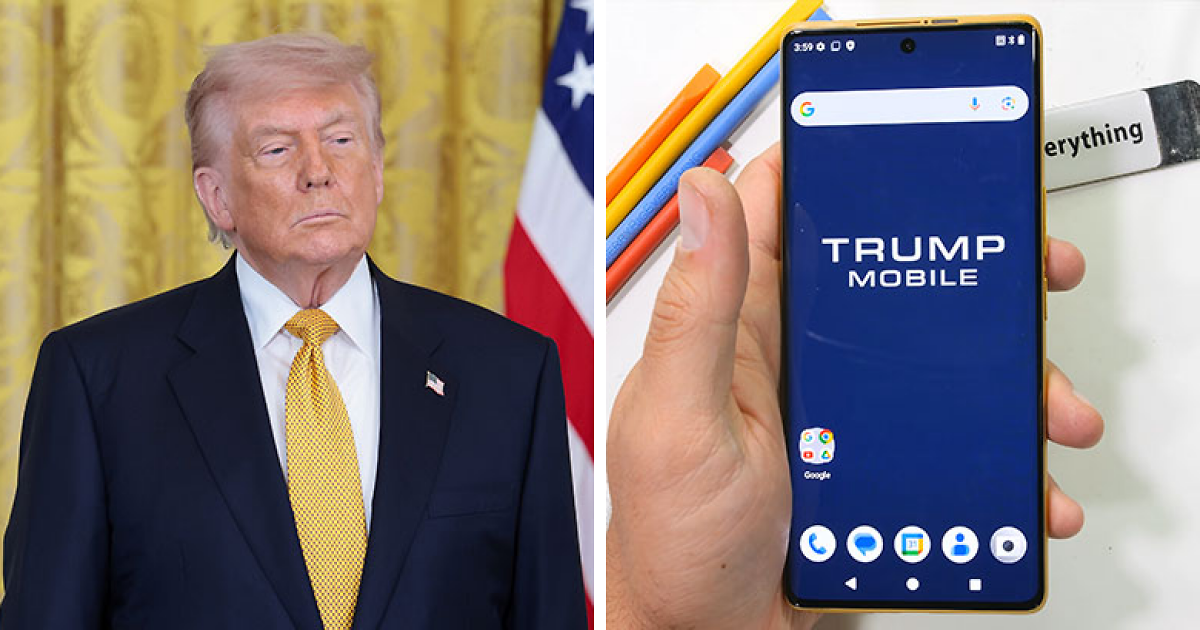
When Donald Trump unveiled the T1 smartphone in June 2025, the device was marketed as a patriotic alternative to major tech conglomerates. However, recent scrutiny by technology reviewer Zack Nelson has cast significant doubt on these claims. In a detailed teardown and durability assessment published in late October 2026, Nelson revealed that the $499 handset shares almost identical hardware characteristics with the HTC U24 Pro, a device released in 2024.
The physical comparison between the two units is stark. Both phones utilize the same chassis dimensions, share identical metal frame contours, and feature identical placement for essential hardware, including power buttons, volume rockers, notification LEDs, USB-C ports, and microSD slots. Further diagnostic tests revealed that the 6.78-inch display on the T1 mirrors the specifications of the Taiwanese model, specifically regarding its resolution and 120Hz refresh rate.
Internal Hardware and Build Quality
The most compelling evidence provided in the review comes from an invasive teardown of both devices. Upon removing the back panels, the internal architecture—down to the specific layout of screws, the motherboard design, and the internal battery capacity—appeared nearly identical. To confirm these suspicions, Nelson performed a motherboard swap, successfully moving the internal components of one device into the housing of the other. Both units remained fully functional, indicating that they are built on the same platform and originated from the same manufacturing source.
Durability testing provided further insight into the materials used. During a standard scratch resistance test using Mohs hardness picks, the screen exhibited minor surface damage at level six and more significant, deep grooves at level seven. This performance is consistent with mid-range devices that utilize tempered glass displays, challenging the narrative that the T1 offers a unique or superior hardware configuration compared to existing market offerings.
Controversy Surrounding Patriotic Branding
Beyond the hardware, the T1’s aesthetic choices have faced sharp criticism. The device features a gold-tone finish with a decorative American flag logo on the rear. Nelson highlighted a notable design error in this emblem: the flag is printed with only 11 stripes instead of the 13 required to represent the original colonies of the United States. This discrepancy has served as a primary point of ridicule among technology enthusiasts and social media commentators who suggest that the branding process lacked attention to detail.
Furthermore, Nelson raised concerns regarding the use of the American flag in the context of commercial product marketing. He cited Section 8(i) of Title 4 of the U.S. Code, which provides guidelines stating that the flag should not be utilized for advertising purposes. While legal experts note that the U.S. Flag Code is primarily a set of traditional display guidelines rather than a strictly enforced criminal statute, the inclusion of the inaccurate symbol has become a focal point for critics questioning the authenticity of the product’s patriotic messaging.
Manufacturing Claims vs. Market Reality
The T1 was positioned by its promoters as a domestic answer to big tech, implying a level of American manufacturing and innovation. Nelson, who has extensive experience in gadget manufacturing and repair, characterized these claims as a misleading representation of the actual production process. He argued that selling a rebadged, externally manufactured device under the guise of a domestic technological breakthrough is a disservice to the consumer base and an affront to actual American manufacturing operations.
The video, which has amassed millions of views, highlights a broader tension regarding tech transparency. By comparing the T1 directly against a readily available international model, the review effectively demystified the product’s origins, stripping away the marketing narrative that characterized the launch. For many viewers, the technical similarities between the T1 and the HTC U24 Pro served as definitive evidence that the device is not the custom-built, domestically manufactured alternative it was claimed to be.
Broader Impact and Public Reception
The public response to the T1’s performance has been overwhelmingly skeptical. Online discourse has centered on the high price point of $499, which many users argue is difficult to justify given the device’s suspected origins and modest hardware specifications. The gap between the promised product and the delivered experience has fueled a wave of criticism across social media platforms, where users have shared their own negative experiences with the phone’s build quality and accessories.
The review also touched upon the political context surrounding the phone. Nelson utilized the platform to draw parallels between the phone’s marketing and the broader pattern of claims made by the former president, specifically referencing his legal status and public record. By framing the T1 review within the context of corporate accountability and consumer honesty, the video became more than a standard gadget test; it became a critique of the intersection between consumer electronics and political branding. The enduring popularity of this teardown highlights a growing consumer demand for transparency in an era where niche tech products are increasingly used as tools for ideological expression.
Disclaimer: This content is auto-generated for informational purposes only.
Source: Read Original News