





New Delhi is bracing for a seismic shift in the corridors of Indian tennis administration as the All India Tennis Association (AITA) moves into the next phase of its high-stakes electoral cycle. In a decisive development that has reshaped the landscape of the upcoming governing body polls, the federation has officially ratified the nominations for the Sports Person of Outstanding Merit (SOM) category, greenlighting a star-studded list of candidates ready to vie for influence within the sport’s hierarchy.
The AITA’s announcement confirmed that all five nominations for the Executive Committee and all eight for the General Body have passed the rigorous scrutiny process. This sets the stage for the November 7 SOM elections, a pivotal precursor to the primary federation elections scheduled for November 27.
A Star-Studded Slate of Contenders
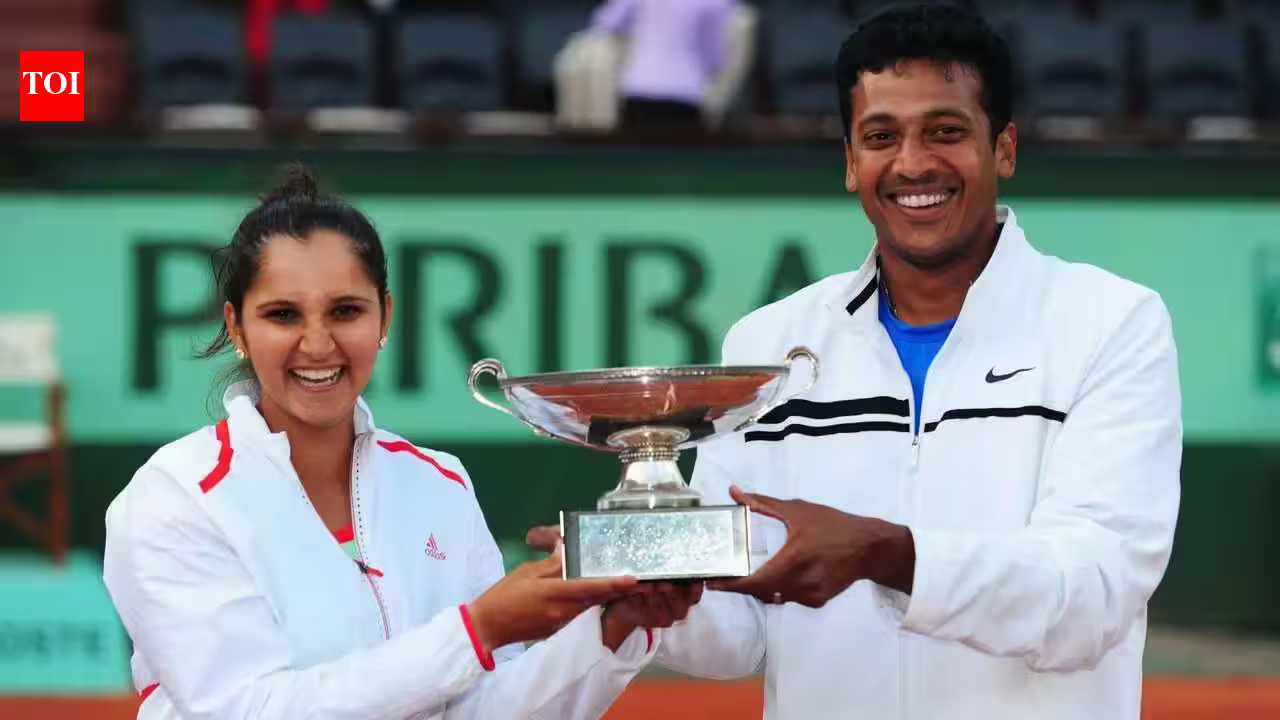
The confirmed list for the Executive Committee is a testament to the federation’s desire to bridge the gap between elite performance and administrative governance. The five candidates whose bids have been validated are tennis icons Sania Mirza and Mahesh Bhupathi, alongside accomplished former players Ankita Bhambri and Janaki Krishnamoorthy, and current Billie Jean King Cup captain Vishal Uppal.
These same five figures also appear on the eight-person list for the SOM General Body, which additionally includes Ashutosh Singh, Gaurav Natekar, and Shalini Thakur Chawla. The inclusion of such decorated veterans—many of whom are multiple Grand Slam champions or distinguished national team representatives—signals a concerted push to bring direct athletic expertise into the policy-making arena.
Mahesh Bhupathi, a former world No. 1 in doubles, has long advocated for the inclusion of elite athletes in the governance of sports. His candidacy, alongside that of the trailblazing Sania Mirza, is viewed by many as the gold standard for player representation, potentially marking a departure from the traditional administrative structures that have dominated the AITA for decades.
The Leander Paes Conundrum
While the ratification process proceeded smoothly for the nominated candidates, the lead-up to the deadline was defined by a notable absence. The omission of Indian tennis legend Leander Paes from the nomination list has sent shockwaves through the sporting community.
Paes, widely considered the most successful Indian tennis player in history and the sole representative in Tier I of the 40-member SOM roster, had been heavily tipped for a potential run at the AITA presidency. With the backing of the Bengal Tennis Association (BTA), it appeared that the stage was set for a major power shift. However, the clock ran out on that ambition.
The hurdle for Paes proved to be the amended AITA Constitution. Under the updated governance rules, a candidate must have served at least one full term as an office-bearer within a state association to be eligible to contest for a national body position through the state route. Because Paes has not yet fulfilled this administrative tenure, he remains barred from the presidential race. While he retains the right to participate in the November 27 elections as a representative of Bengal, his path to the top office is now effectively closed, leaving the field open for the currently ratified SOM candidates to dictate the direction of the organization.
Governance and the Evolution of the AITA
The implementation of the SOM framework is not merely an internal procedural update; it is a manifestation of broader, government-mandated sports governance reforms aimed at ensuring that accomplished athletes have a seat at the table. By reserving four spots in the General Body (two men and two women) and two in the 15-member Executive Committee (one man and one woman) for SOM representatives, the AITA is aligning itself with contemporary standards that prioritize merit-based leadership.
For the voters and the Indian tennis public, the arrival of these figures onto the ballot represents a “new hope” scenario. The transition from the court to the boardroom is notoriously difficult, yet the caliber of the nominees suggests that the federation is moving toward a model where the voices of those who have actually competed at the highest levels of the ATP and WTA tours will finally influence the federation’s strategic vision.
The Road to November 27
With the administrative scrutiny now in the rearview mirror, the focus shifts to the intense lobbying and strategy sessions preceding the November 7 SOM elections. The outcome of these local polls will determine which of these luminaries will hold the power to influence the overarching national elections later in the month.
As the political maneuvering intensifies, the Indian tennis community finds itself at a crossroads. Will this injection of legendary talent lead to a modernization of the sport’s infrastructure and grassroots development, or will the weight of institutional tradition prove too difficult to move?
For now, the ballots are set, the candidates are approved, and the scrutiny has ended. The focus for India’s tennis leaders—both emerging and established—now turns to the court of public and member opinion. As the dust settles on the nomination process, one thing is certain: when the AITA convenes on November 27, the shape of Indian tennis leadership will look fundamentally different than it did at the start of the year. The players have been called up; it is now up to them to secure the votes.
Disclaimer: This content is auto-generated for informational purposes only.
Source: Read Original News