








The Commodity Futures Trading Commission (CFTC) has launched a significant push to bring cryptocurrency exchanges under federal oversight following a catastrophic $6.3 billion security breach at Binance. The move signals a new era of regulatory intervention as the commission seeks to address the systemic risks inherent in digital asset trading platforms.
The CFTC’s initiative, introduced in early October, centers on two new regulatory frameworks: Regulation Crypto Asset Transactions (CTX) and Regulation Crypto Asset Markets (CAM). These measures are specifically tailored to target platforms that offer leveraged, margin, or finance-backed cryptocurrency trading to retail investors. By formalizing these regulations, the commission aims to provide a centralized federal oversight mechanism, effectively filling a gap left by years of legislative inaction in the U.S. Congress.
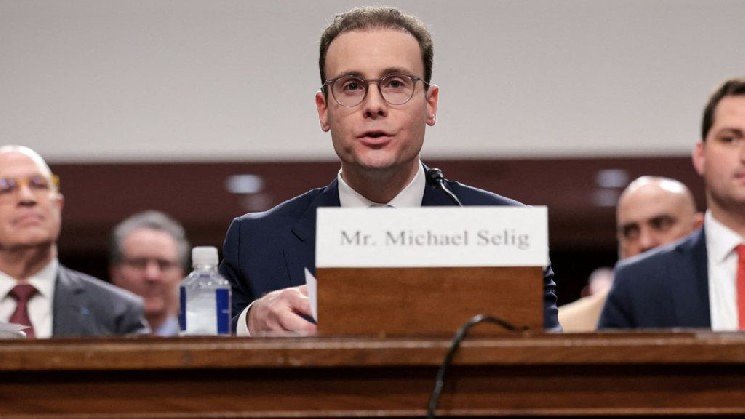
Michael Selig, a prominent voice in the push for stricter digital asset oversight, noted that the commission is prepared to exercise its existing legal authorities to compel compliance. Selig has been a vocal critic of the legislative stagnation in Washington, arguing that until Congress enacts comprehensive reform, the CFTC must act as the primary gatekeeper for investor protection. However, Selig clarified that these current regulations do not mandate universal registration for every crypto entity. A truly comprehensive, mandatory federal registration system, he emphasized, would still require explicit new legislation from Capitol Hill.
The urgency of this regulatory shift was punctuated by the massive security breach at Binance on October 29. According to an official statement from the exchange, the hack resulted in an estimated $6.3 billion in assets being compromised. Initial investigations suggest that attackers bypassed security protocols by infiltrating the company’s internal service infrastructure, reportedly leveraging a compromised computer belonging to a DevOps engineer.
In a massive collaborative effort to mitigate the damage, blockchain partners and stablecoin giants Tether and Circle intervened to freeze roughly $3 billion worth of stolen assets on-chain. While the breach sent shockwaves through the market, Binance officials stated there is no evidence that private wallet keys were compromised. The exchange has committed to utilizing its Secure Asset Fund for Users (SAFU) and internal capital reserves to reimburse affected investors.
Despite the recovery efforts, the sheer scale of the Binance incident has solidified the CFTC’s resolve. The commission’s current strategy suggests a shift toward a more proactive, enforcement-heavy approach to market integrity. By bringing leveraged trading platforms under a unified federal umbrella, the CFTC aims to curb the volatility and vulnerability that have characterized the sector.
As the investigation into the Binance hack continues and the market reacts to the influx of new regulatory scrutiny, the industry remains at a crossroads. While the CFTC pushes forward with its new frameworks, stakeholders are now waiting to see whether this pressure will finally force lawmakers to deliver the industry-wide legislation that regulators—and investors—are demanding.
Disclaimer: This content is auto-generated for informational purposes only.
Source: Read Original News