









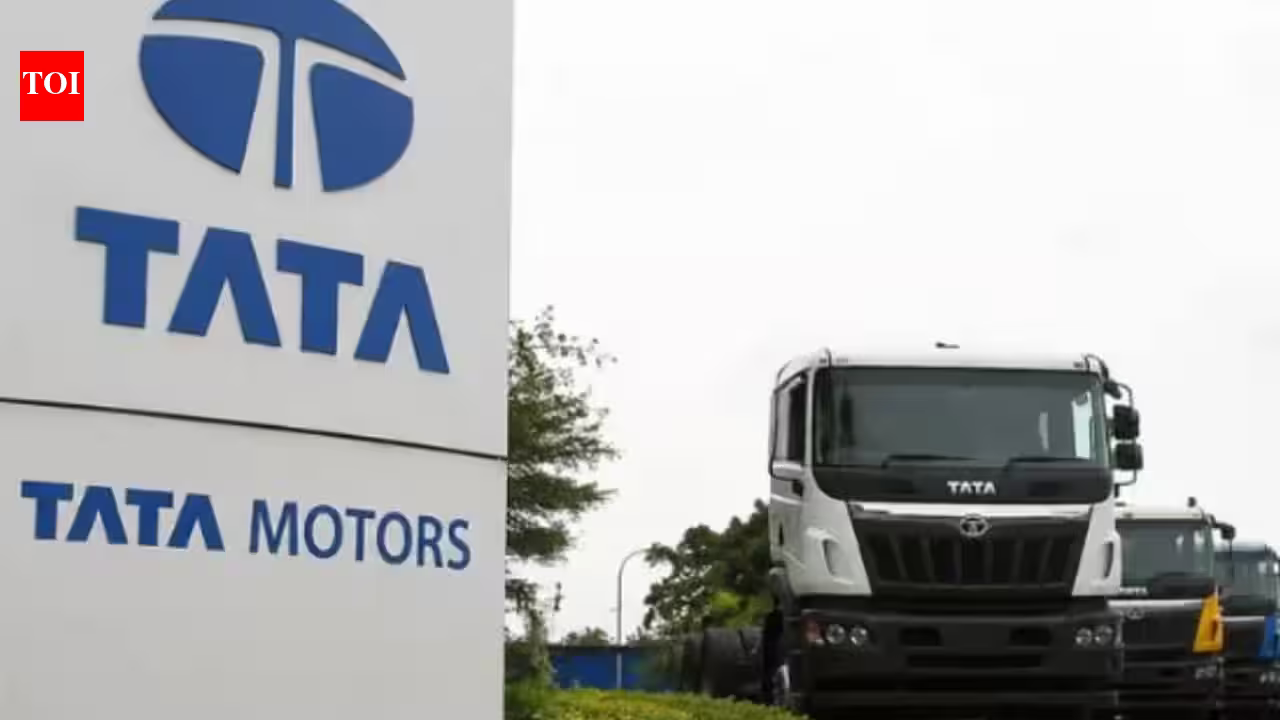
The Strategic Significance of the Iveco Acquisition
The acquisition of an 89.42% stake in the Italian commercial vehicle manufacturer Iveco Group by Tata Motors represents a landmark moment in the history of Indian multinational corporations. Valued at approximately 3.43 billion euros, this transaction is the largest overseas expansion by the Tata Group since the historic acquisition of Jaguar Land Rover (JLR) in 2008. By integrating a major European player into its fold, Tata Motors is signaling a shift from being a dominant regional force to becoming a formidable global leader in the commercial vehicle (CV) segment.
For Tata Motors, this move is far more than a simple expansion of manufacturing capacity. It is a strategic consolidation of expertise. Iveco brings with it a robust European distribution network, advanced engineering capabilities in heavy-duty trucks and bus manufacturing, and a mature footprint in international markets. As Tata Motors continues to navigate the complexities of global logistics and the transition toward sustainable transport, the synergy between Indian production efficiency and European technological legacy offers a distinct competitive advantage.
Synergies in Product Development and Technology
A primary driver behind this deal is the integration of research and development capabilities. Iveco operates 22 research and development centers, a scale of infrastructure that complements Tata Motors’ existing engineering base. In the current automotive landscape, where the focus has shifted toward electric mobility, hydrogen fuel cell technology, and autonomous logistics, the cost of innovation is substantial. By pooling resources, both entities can accelerate the development of next-generation powertrains and digitized fleet management systems.
From an Indian business perspective, this collaboration allows Tata Motors to leverage Iveco’s specialized knowledge in heavy-duty long-haul transport, an area where European engineering leads the world. Conversely, Iveco stands to benefit from Tata Motors’ expertise in high-volume production and cost-effective manufacturing processes, which are essential for maintaining margins in the price-sensitive segments of the global market. This exchange of technical know-how is expected to result in a portfolio that is both technologically sophisticated and commercially viable for emerging markets across Asia, Africa, and Latin America.
Reimagining Global Market Presence
The acquisition fundamentally alters the geographical reach of Tata Motors. While the company has long held a commanding share of the Indian CV market, international expansion has historically been challenging due to differing regulatory environments and local competition. Iveco provides immediate access to stable and highly regulated European markets, where stringent emission norms and safety standards serve as a benchmark for the global industry.
By establishing Iveco as an indirect subsidiary, Tata Motors can now bifurcate its global strategy effectively. It can utilize its Indian operations to drive growth in developing economies, while the Iveco brand provides a premium, well-established channel to compete in the European Union and North American markets. This dual-pronged approach reduces the risk associated with relying on a single geographic region. Furthermore, the inclusion of Iveco’s 16 industrial sites provides a manufacturing base closer to the European market, mitigating supply chain vulnerabilities and reducing the logistics costs that previously hindered the competitiveness of Indian-manufactured exports.
Corporate Governance and Leadership Integration
The organizational transition following such a large-scale acquisition is often the most critical phase. Tata Motors has taken a decisive approach to integration by placing key leadership figures at the helm. The appointment of Tata Sons Chairman N. Chandrasekaran as the chairperson of Iveco underscores the importance the group assigns to this venture. His oversight, supported by internal leaders like P. B. Balaji and Girish Wagh, ensures that the integration aligns with the broader strategic objectives of the Tata ecosystem.
Maintaining continuity with Olof Persson as the Chief Executive Officer of Iveco provides a sense of stability for employees, clients, and partners. This hybrid leadership structure—combining the visionary direction of Tata’s top brass with the operational continuity of Iveco’s incumbent management—is designed to minimize disruption. The reconstitution of board committees and the streamlining of corporate governance documents are indicators of a thorough professional transition. These moves suggest that Tata Motors is not merely looking for a quick turnover but is committed to building a long-term, unified corporate culture that integrates the Italian expertise into the global Tata framework.
Financial Implications and Future Outlook
The financial structure of the deal, including the cash tender offer and the potential for a squeeze-out process, reflects the meticulous planning behind the acquisition. With a total deal value estimated at approximately 3.8 billion euros, the investment is substantial, but it is backed by the intent to capture a larger share of the global commercial logistics market. Investors and market analysts are viewing this as a long-term play, focusing on the potential for improved consolidated earnings and the realization of cost synergies in procurement, research, and distribution.
The road ahead will likely involve the gradual integration of supply chains. As the company navigates the voluntary purchase procedure and potential post-offer restructuring, the primary challenge will be to harmonize the operations of a large European manufacturer with the established practices of an Indian parent firm. If successful, this acquisition could serve as a model for other Indian enterprises looking to acquire global brands. It demonstrates that the path to global dominance is paved through the acquisition of mature, established players that provide immediate market access and intellectual property.
Ultimately, the Tata Motors and Iveco union is a significant development in the global automotive sector. By combining the strengths of an Indian giant with the heritage of an Italian titan, the company is positioning itself to lead the transformation of global commercial transport. Whether through the development of green energy trucks or the digitization of the freight industry, this partnership represents a significant step toward a more integrated, efficient, and technologically advanced future for global commerce.
Disclaimer: This content is auto-generated for informational purposes only.
Source: Read Original News