








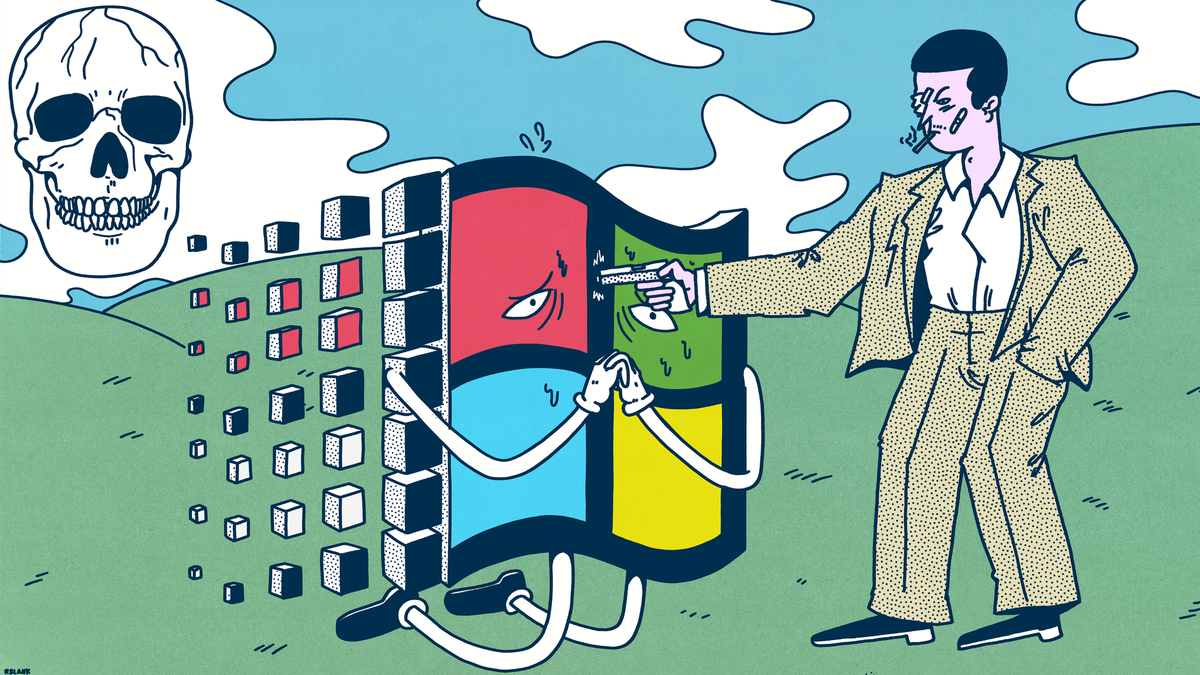
The pervasive nature of Microsoft Windows has long been a fixture of the computing landscape, often perceived as an unavoidable utility rather than a conscious choice. However, as the operating system has evolved, the user experience has faced a steady decline. From the forced integration of intrusive artificial intelligence to the creeping ubiquity of advertisements and data-harvesting features like the controversial Recall snapshot tool, Windows 11 has alienated a significant segment of its user base. For many, the decision to migrate away from Microsoft’s ecosystem is no longer merely a technical preference but an essential step toward regaining digital sovereignty and ethical autonomy.
The Need for Alternatives
The push toward alternatives is multifaceted, driven by both personal dissatisfaction and broader global concerns. Organizations like the Boycott, Divestment, Sanctions (BDS) movement have highlighted Microsoft’s material role in supplying technology that facilitates mass surveillance and occupation, framing the company as a priority target for systemic pressure. Beyond political considerations, the centralized control exerted by US-based technology giants has become a liability for sovereign nations.
Governments in France and the Netherlands are actively pursuing digital independence. France’s interministerial efforts to transition to SécurixOS—a derivative of NixOS—and the Dutch development of their Digital Automated Working Environment (DAWO) reflect a growing international consensus: relying on proprietary American software infrastructure creates an inherent threat to national security and data sovereignty. As these countries decouple their public sectors from Microsoft, they provide a blueprint for how institutions can systematically reduce their dependence on monolithic corporate platforms.
Have You Heard the Good Word About Linux?
For the individual user, the barrier to switching has lowered significantly. While Linux was once relegated to the realm of hobbyists and terminal-command enthusiasts, the landscape has shifted. The success of Valve’s Steam Deck and the underlying SteamOS has demonstrated that Linux can provide a stable, user-friendly environment for general computing and high-end gaming alike. By utilizing the Proton compatibility layer, Linux can now run a vast library of Windows-native software with performance that frequently rivals, and occasionally exceeds, native Windows execution.
The experience of using a modern Linux distribution, such as Bazzite or CachyOS, is starkly different from the maintenance-heavy cycle of Windows. Upon installation, users are greeted by a system free from advertisements, mandatory tracking, and “agentic” AI features that serve corporate goals rather than user needs. Tools like KRunner allow for seamless searching and unit conversion without the unnecessary friction of forced web results, creating a computing environment that centers the user.
Transitioning and the Path Forward
The transition process has become increasingly accessible. Distributions like Bazzite, built on the robust foundation of Fedora Silverblue, offer an “immutable” structure that protects system integrity, preventing users from inadvertently breaking their OS. This architectural choice ensures that the system remains stable over time, even with daily updates. Furthermore, the inclusion of storefronts like Bazaar for managing Flatpaks simplifies the installation of third-party applications, removing the need to navigate the often-broken Windows installers or registry-editing “debloat” guides.
Despite these improvements, the transition is not without friction. For most users, the hurdles are not technical limitations of the OS itself, but rather software dependencies. Professional suites like Adobe Photoshop, specialized CAD software, and industry-standard tools like Microsoft 365 present significant obstacles. Breaking these chains requires more than just installing a different kernel; it necessitates a collective, industry-wide shift toward open, interoperable alternatives.
Friction Points Must Be Addressed
True liberation from the Windows ecosystem requires addressing specific, persistent choke points. The current reliance on proprietary file formats and specialized software in game development, audio production, and engineering creates a “lock-in” effect that is difficult to navigate as an individual. For example, Unreal Engine’s current limitations in building native Linux targets for large-scale development teams often force professionals to remain tethered to Windows, regardless of their personal inclination to switch.
Similarly, the issue of anticheat software remains a significant hurdle for the gaming community. While progress is being made, the tension between maintaining a secure, cheat-free environment and preserving the transparency and integrity of the Linux kernel is a delicate balancing act. Companies must be pressured to prioritize cross-platform compatibility rather than defaulting to Windows-only security solutions.
A Future Without Microsoft
The goal is not to achieve a utopian state of software purity, but to construct a sustainable, independent digital future. The rapid evolution of Linux and the growing number of viable alternatives suggest that the “Windows-first” paradigm is no longer a necessity. By choosing open-source tools, supporting developers who prioritize interoperability, and actively seeking software that respects user control, the computing world can move beyond the “rent-seeking” model imposed by Microsoft.
Killing Windows is a daunting task, but it is a necessary one. Every user who migrates, every government that shifts to a custom distribution, and every developer who prioritizes Linux support contributes to the erosion of a monopoly that has long dictated the terms of our digital lives. By systematically identifying and overcoming these final barriers, the transition away from the bloated, intrusive status quo becomes not only possible but inevitable. The power to reclaim our machines is within reach; all that is required is the resolve to disconnect from the cycle of dependency and move toward a more autonomous, transparent, and user-centric computing future.
Disclaimer: This content is auto-generated for informational purposes only.
Source: Read Original News