







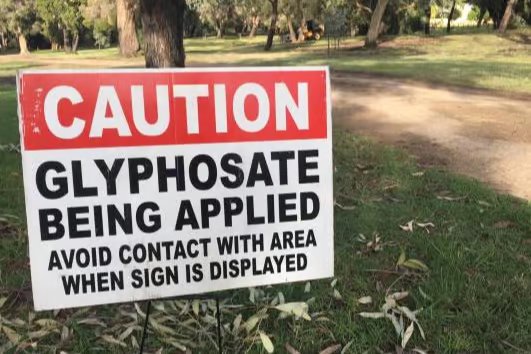
Sheffield City Council is exploring a technological shift in its approach to urban vegetation management as it trials “e-weeding”—a method that uses electrical currents to destroy unwanted plants—in an effort to reduce the city’s reliance on the controversial herbicide glyphosate.
The move comes as the council grapples with the environmental implications of chemical weed control. Despite a formal commitment made in 2020 to reduce the use of glyphosate, consumption figures have moved in the opposite direction. Records show that usage rose from 3,570 litres in 2021 to 4,865 litres in 2025. So far this year, 1,605 litres have already been applied to the city’s streets.
Glyphosate has long been a subject of intense public debate. Campaigners, including the local group No Glyphosate Sheffield, argue that the chemical is toxic to both the environment and public health. Concerns have been raised regarding the “liberal” application of the herbicide by the council’s contractor, Amey, with critics claiming it inadvertently destroys vital pollinator-friendly plants. Further concerns involve the potential for the chemical to be tracked into homes on pets’ paws or to settle on children’s play equipment in public parks.
Research referenced by the House of Commons library highlights that while glyphosate degrades relatively quickly, it leaves behind a substance known as aminomethylphosphonic acid (AMPA). This byproduct is more persistent in the environment and poses potential risks to wildlife and broader ecosystems.
The rise in chemical usage has been attributed, in part, to a surging public demand for weed management services. According to a recent report submitted to the council’s environmental services and regulation policy committee, public requests for weed control have nearly doubled over the past five years, jumping from 597 in 2021 to 1,143 in 2024.
In response, the council has begun testing e-weeding, a technology that delivers a lethal electrical charge directly to the plant. Early trials in the city centre have yielded promising results, with the council reporting that the method’s effectiveness is “on a par with glyphosate.”
However, the transition away from chemical spraying faces significant logistical hurdles. A report presented to the committee noted that the “novel” technology is currently both expensive and slow to deploy. Furthermore, there are safety considerations, including a risk of igniting dry plant material during operation. The city’s climate also presents a challenge; the electrical method cannot be used during rainy conditions—a major limitation in a city like Sheffield, which experiences wet weather approximately 133 days per year.
The council has stated that it will continue to trial e-weeding alongside other potential non-chemical alternatives to determine if a permanent, city-wide reduction in glyphosate use is feasible. The ongoing debate regarding the future of weed management in Sheffield is scheduled to be formally discussed at the environmental services and regulation committee meeting on November 6, 2026.
As other local authorities, such as East Devon District Council, have already moved to completely ban the use of glyphosate, the pressure on Sheffield City Council to reconcile its climate commitments with its practical maintenance obligations continues to mount.
Disclaimer: This content is auto-generated for informational purposes only.
Source: Read Original News