









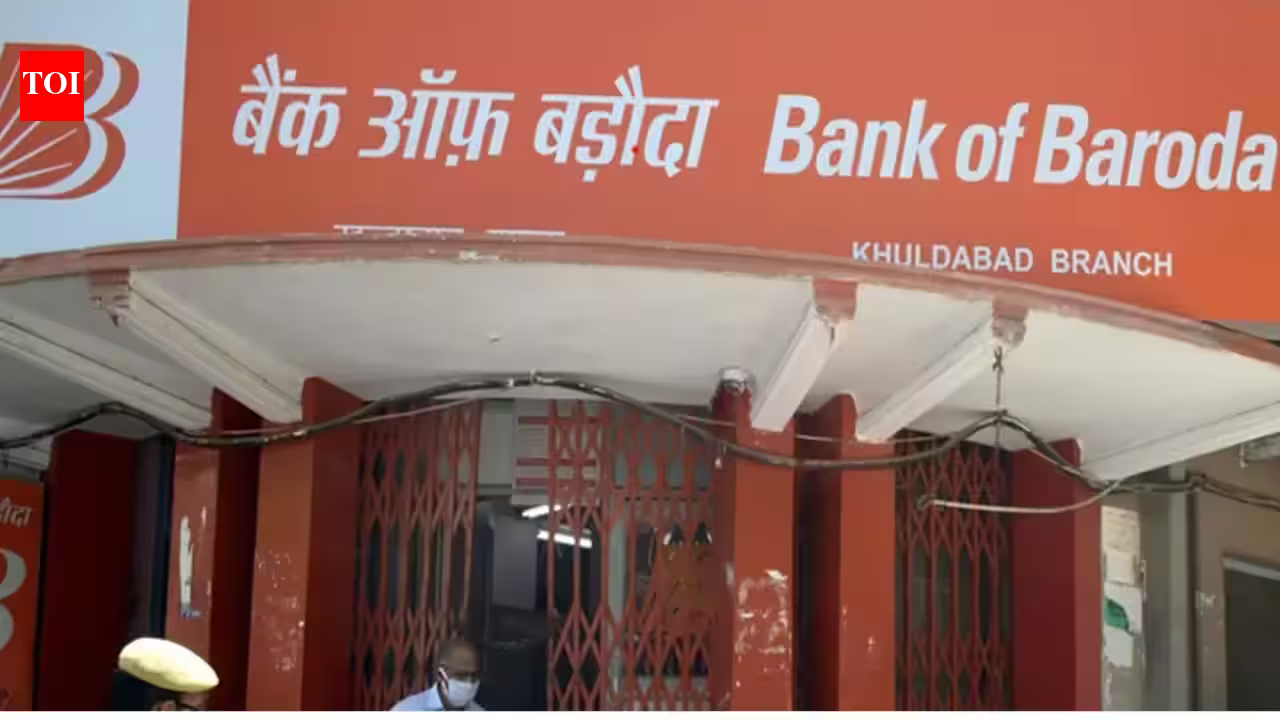
Analyzing the Surge in Public Sector Banking Performance
The Indian banking sector has undergone a significant transformation over the last decade, transitioning from a period defined by balance sheet cleanups to an era characterized by robust profitability and resilient asset quality. A primary indicator of this structural shift is the performance of public sector banks, with the Bank of Baroda providing a clear case study in sustained growth. The bank’s recent financial results for the quarter ending September 30, 2026, reveal a notable 35.81% year-on-year increase in net profit, reaching Rs 6,531.54 crore. This performance is not an isolated success but reflects broader trends in the Indian macro-financial environment, where credit demand, improved risk management frameworks, and diversified income streams are driving institutional growth.
At the core of this growth is the effective management of net interest income (NII) and non-interest income. While NII grew by nearly 9% to Rs 13,026.27 crore, the most striking development was the nearly 96% surge in other income. This indicates that Indian lenders are increasingly successful in shifting away from a reliance on pure interest rate spreads, moving toward fee-based income, treasury gains, and diversified financial services. The expansion of the wholesale and retail banking segments, which reported steady revenue growth, further validates the efficacy of current credit disbursement strategies.
Navigating Credit Expansion and Deposit Mobilization
A critical challenge for the Indian banking sector in the current fiscal environment is the widening gap between credit growth and deposit mobilization. Bank of Baroda’s figures reflect this national dynamic, with advances growing at 18.49% to Rs 1,491,037.83 crore, while deposits saw a 16.36% increase. This data point is essential for analysts tracking the liquidity conditions in the Indian market. As businesses continue to tap into formal credit channels to fund expansion and capital expenditure, banks must navigate the delicate task of sustaining high loan growth without compromising on liquidity coverage.
The competitive landscape for deposits in India has become increasingly intense. As banks vie for household savings, the rising interest expense—up 12.80% in the reporting period—is a direct consequence of the aggressive efforts to attract stable retail deposits. Despite these higher funding costs, the institution managed to maintain impressive margins, suggesting a superior ability to reprice loans and optimize the asset-liability mix. This balance is vital for systemic stability, as it allows banks to absorb market fluctuations while maintaining sufficient capital buffers to support the requirements of a rapidly growing economy.
Asset Quality Improvements and Risk Mitigation
Perhaps the most significant achievement in the current banking cycle is the secular improvement in asset quality. For many years, the Indian financial system was burdened by the legacy of bad loans, which constrained lending capacity. The recent data from the Bank of Baroda shows a gross non-performing asset (GNPA) ratio declining to 1.78%, a reduction of 38 basis points compared to the previous year. Even more critical is the decrease in net NPAs to 0.37%, indicating that the bank is not just shedding old debt but is also exercising rigorous discipline in new loan underwriting.
This improvement is a testament to the success of regulatory interventions and the adoption of more advanced internal credit monitoring systems. In the Indian context, the shift toward a more proactive recovery mechanism—leveraging the Insolvency and Bankruptcy Code (IBC) and improved collection processes—has allowed banks to clean up their books significantly. Furthermore, the increase in provisions and contingencies, which grew by over 93%, demonstrates a conservative approach to risk management. By strengthening the balance sheet through higher provisioning, the bank is insulating itself against potential future shocks, ensuring that the current cycle of profitability is built on a foundation of long-term sustainability rather than short-term accounting adjustments.
Capital Strength and Operational Efficiency
Capital adequacy remains the ultimate barometer of a bank’s ability to withstand economic volatility and fund the nation’s developmental agenda. With a capital adequacy ratio of 16.61% and a Common Equity Tier 1 (CET1) ratio of 14.20%, the institution is well-positioned to meet the demands of the Indian manufacturing and service sectors. The strengthening of the CET1 ratio is particularly significant, as it provides the high-quality equity cushion necessary to support aggressive credit growth.
Simultaneously, the bank is managing its operating expenses with precision. While employee costs rose by 12.86%—likely reflecting investments in human capital and the integration of technology—other operating expenses remained relatively contained at a 1.63% increase. This control over administrative costs, paired with a surge in operating profit before provisions, suggests a high level of operational efficiency. As the industry increasingly leans into digital transformation, the focus on managing “other operating expenses” will be a key differentiator. The ability to increase income at a pace that far outstrips the growth in expenses is the hallmark of a maturing, operationally mature entity.
The Broader Implications for the Indian Economy
The trajectory of Bank of Baroda serves as a proxy for the resilience of the Indian banking system. As India moves toward a $5 trillion economy, the role of large public sector lenders is being redefined. These institutions are no longer viewed merely as conduits for government policy but as competitive, profit-oriented organizations capable of competing with their private sector counterparts. The treasury operations segment, which recorded a massive 175% increase in profit, highlights how Indian banks are integrating into global and domestic capital markets more effectively.
Looking ahead, the market expects a continuation of this trend, provided that credit risk remains controlled and the inflationary environment does not put excessive pressure on interest rates. The focus will now shift to whether banks can maintain these levels of profitability while the interest rate cycle fluctuates. Sustained investment in technology, such as AI-driven credit scoring and digitized loan processing, will remain critical to maintaining the current momentum. The combination of strong credit demand, a cleaner balance sheet, and a robust capital position provides a clear runway for continued growth, signaling that the Indian banking sector is well-equipped to support the next phase of national industrial and retail expansion.
In conclusion, the results of the second quarter for the 2026 fiscal year underscore a period of professional discipline and market success. By prioritizing asset quality and diversifying revenue streams, the bank has demonstrated a capacity to capitalize on the strengths of the Indian economy. As market conditions evolve, the focus on maintaining such high standards of risk management and capital deployment will remain the primary driver of shareholder value and systemic stability.
Disclaimer: This content is auto-generated for informational purposes only.
Source: Read Original News