






Understanding the iPhone Duo Display Technical Challenge
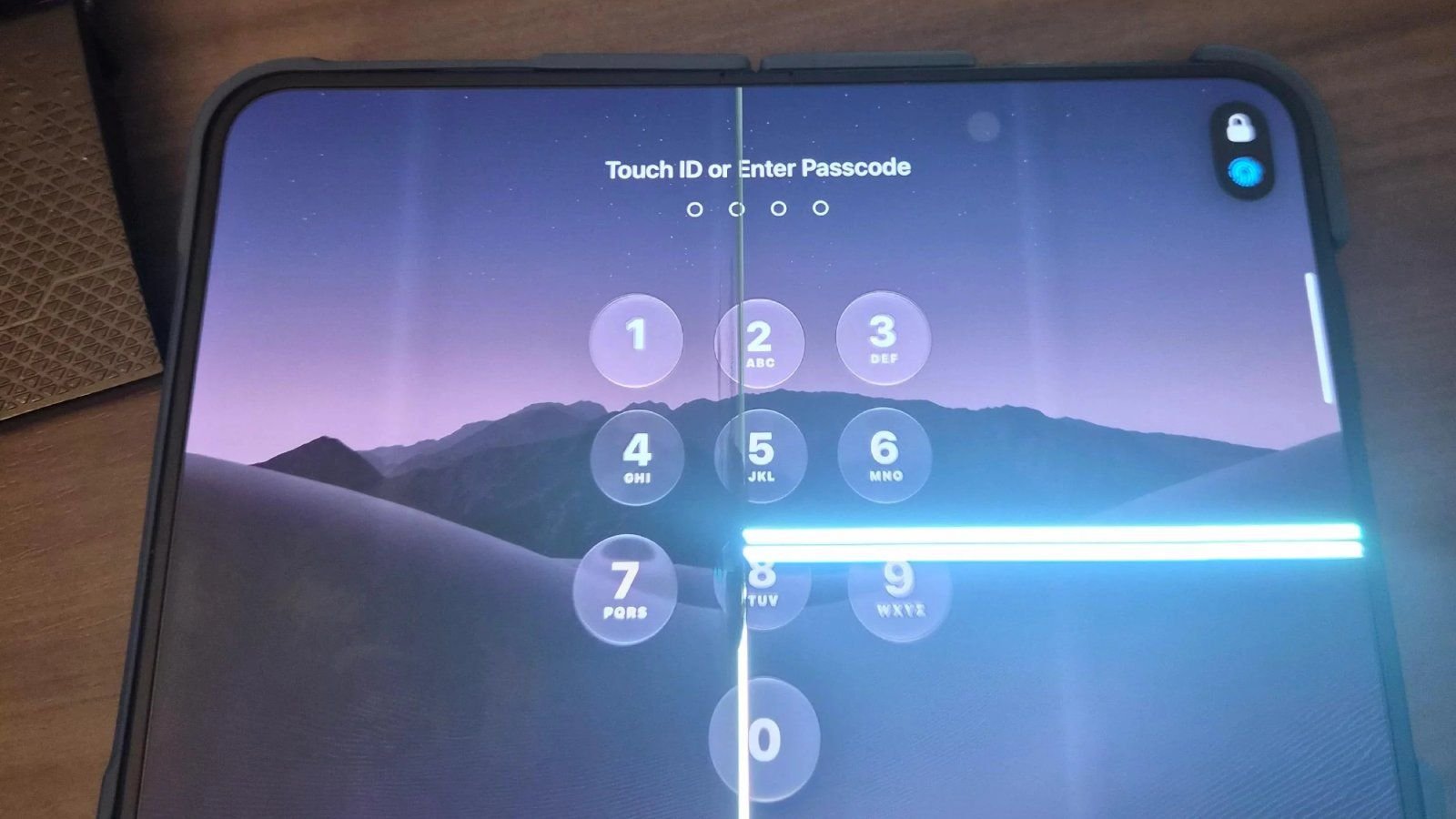
The recent introduction of the iPhone Duo marked a significant milestone for Apple as it entered the folding device market. However, shortly after the device reached the hands of early adopters, reports began to surface regarding structural integrity concerns involving the inner display. Users noted thin, vertical lines appearing across the center and right segments of the foldable panel, indicating a disruption in the display circuitry or the substrate beneath the flexible screen.
Apple has proactively addressed these concerns by issuing a formal internal memorandum to all Apple Store locations and Apple Authorized Service Providers. The guidance establishes a standardized protocol for technicians to evaluate, troubleshoot, and perform necessary repairs or replacements. This administrative action confirms that while the defect is limited to a small percentage of total units, the incident rate is high enough to necessitate a centralized policy for support personnel to ensure consistent service standards.
Diagnostic Procedures and Technicians’ Guidance
The internal memo emphasizes that technicians should follow existing diagnostic procedures for display anomalies. Because the iPhone Duo utilizes a complex folding mechanism, the internal display must interface perfectly with the hinge assembly to prevent undue stress on the thin-film transistors (TFT) that reside beneath the organic light-emitting diode (OLED) layers.
Technicians are instructed to check for physical damage—such as pressure points or debris entrapment—before determining if a display failure qualifies for the standard warranty or service coverage. The focus remains on identifying whether the crack originates from mechanical failure within the folding apparatus or if external factors exacerbated the condition. By standardizing this diagnostic process, Apple aims to minimize variation in how different service centers handle the replacement process, ensuring that customers with legitimate hardware failures receive expedited support.
The Role of the Hinge in Display Integrity
While Apple has not officially confirmed the root cause, industry experts and hardware teardown specialists at iFixit have conducted preliminary analyses suggesting that the fault lies within the device’s hinge mechanism. In a foldable smartphone, the hinge serves a dual purpose: it acts as a structural stabilizer and a pivot point that manages the tension applied to the flexible display panel.
If the hinge tolerances are slightly misaligned, or if the tension-distributing layers do not retract in exact synchronization with the fold, the inner display may experience localized pressure. This mechanical stress can cause micro-fractures in the protective layer or the conductive paths of the screen. The reported symptoms—specifically lines appearing at the center and right side—correlate with the areas where the display undergoes the most curvature during the folding cycle. The consensus is that when the hinge fails to distribute this physical force evenly, the screen material compromises, leading to the display defects reported by users.
Impact on Early Adopters and Warranty Support
For the consumer, the situation is managed under standard AppleCare policies. Apple has explicitly stated that there is no formal product recall, as they maintain the issue only impacts a small subset of the total user base. Most units are operating as intended, and those that do show signs of failure typically exhibit the defect shortly after initial setup or within the first week of use. This suggests that the issue is likely a manufacturing quality control variance rather than a pervasive design flaw inherent to every device.
Users encountering these visual defects on their inner displays are encouraged to reach out to official support channels. By contacting AppleCare via their web portal or by phone, users can initiate a hardware inspection. Because the device is currently in its initial sales window, the majority of these units are covered under the standard limited warranty. Apple is facilitating replacements for these units, ensuring that customers are not left with impaired hardware while the company continues to monitor the situation for broader trends.
Navigating Future Foldable Reliability
The challenge faced by the iPhone Duo highlights the significant engineering hurdles involved in foldable technology. Unlike traditional rigid smartphones, foldable devices require materials that can withstand hundreds of thousands of cycles of mechanical stress without loss of signal or structural continuity. The manufacturing of these displays requires extreme precision, as even a microscopic amount of dust trapped near the hinge or a minor deviation in the hinge’s tensioning can lead to a catastrophic failure of the display panel.
As Apple gathers data from the units returned through service channels, they will likely refine their assembly processes and hinge specifications to mitigate these risks in future production batches. This incident serves as a reminder of the iterative nature of technological innovation. While the iPhone Duo introduces a new form factor that maximizes screen real estate and productivity, it also necessitates a new approach to quality assurance that accounts for the delicate balance between flexibility and durability. As of now, Apple’s strategy of prioritizing direct customer support ensures that those impacted by these early manufacturing variances remain protected while the company fine-tunes its production pipeline.
Disclaimer: This content is auto-generated for informational purposes only.
Source: Read Original News