









India Calls for Even-Handedness and Dialogue at the UN Human Rights Council
United Nations — India has issued a strong call for reform within the UN Human Rights Council (UNHRC), emphasizing that the body’s global standing depends entirely on its ability to act with neutrality and fairness. Speaking before the UN General Assembly, India’s representative challenged the growing trend of unilateral country-specific mandates, arguing that they often prove counterproductive to the actual improvement of human rights conditions.
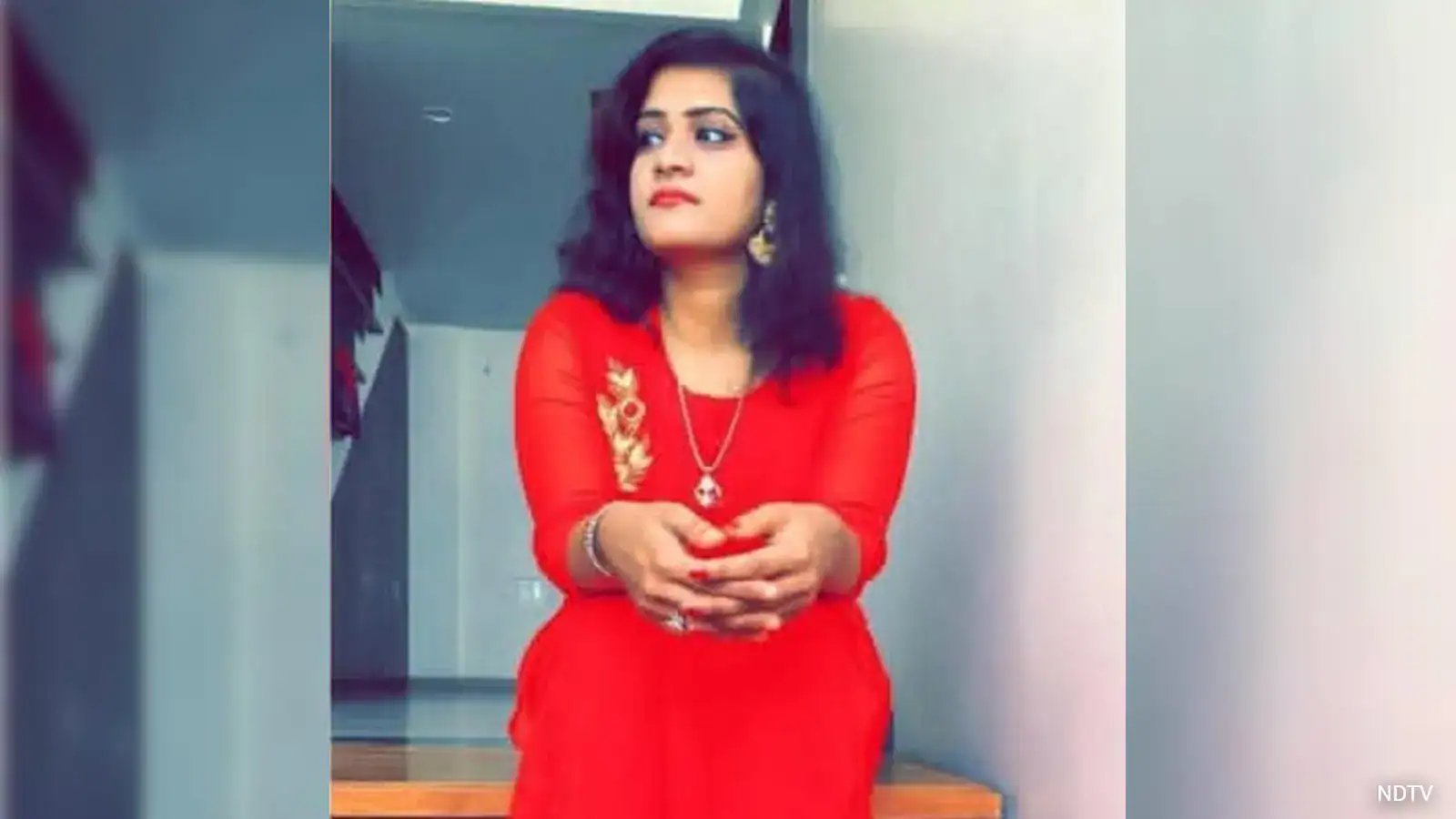
Bhavika Mangalanandan, First Secretary in India’s Permanent Mission to the UN, delivered these remarks during a debate centered on the latest report from the Human Rights Council. Representing a nation that recently began its seventh term on the Council (covering 2026–2028), Mangalanandan warned that failing to prioritize collaborative engagement risks turning human rights advocacy into a tool for geopolitical friction.
Moving Beyond Politicization
Citing External Affairs Minister S. Jaishankar’s earlier address at the 61st Human Rights Council session, India reaffirmed its stance that human rights progress is fueled by dialogue and genuine partnerships. Mangalanandan cautioned that when the Council engages in selectivity or relies on double standards, it leaves itself open to accusations of “weaponizing” human rights to serve specific political agendas.
“Credibility of the council rests on even-handedness,” she stated, noting that mandates imposed on countries without their involvement often do little more than deepen existing divisions. Instead, India championed the Universal Periodic Review (UPR) as the gold-standard mechanism, highlighting that its foundation in equal treatment and state cooperation makes it the most effective platform for addressing human rights concerns.
Terrorism and Development as Human Rights Priorities
Beyond the structural issues of the Council, India used the platform to highlight two critical areas that it believes require more sustained attention: the fight against terrorism and the promotion of developmental rights.
India characterized terrorism as the “gravest threat” to human rights—most notably the fundamental right to life. Mangalanandan urged the Council to adopt a policy of “zero tolerance” toward terror, ensuring that the issue remains a central focus rather than a peripheral concern.
Furthermore, India advocated for a more balanced view of human rights, arguing that civil and political rights should not overshadow economic, social, and cultural rights. For much of the Global South, the hurdles to human dignity are rooted in poverty, debt, and limited access to technology. “These call for international cooperation and not coercion,” she noted, pushing for a global approach that prioritizes financial accessibility and sustainable development.
Financial Independence and Structural Reform
The address also touched upon the operational challenges facing the UNHRC. India stressed that the Council must remain transparent and member-driven, particularly regarding budgetary rationalization. There was a specific warning against letting voluntary, earmarked contributions dictate the Council’s priorities. India argued that to maintain integrity, the human rights pillar must be supported by adequate and predictable funding through the regular UN budget.
Concluding her remarks, Mangalanandan addressed the increasing overlap between the Council and the General Assembly’s Third Committee. She urged a reduction in redundant resolutions and initiatives, noting that the tendency for the Council to dictate reporting requirements to other committees often undermines its own role as a specialized body. For India, the path forward is clear: the Council must refine its focus, respect state sovereignty through engagement, and ensure that development remains at the heart of the global human rights agenda.
Disclaimer: This content is auto-generated for informational purposes only.
Source: Read Original News