








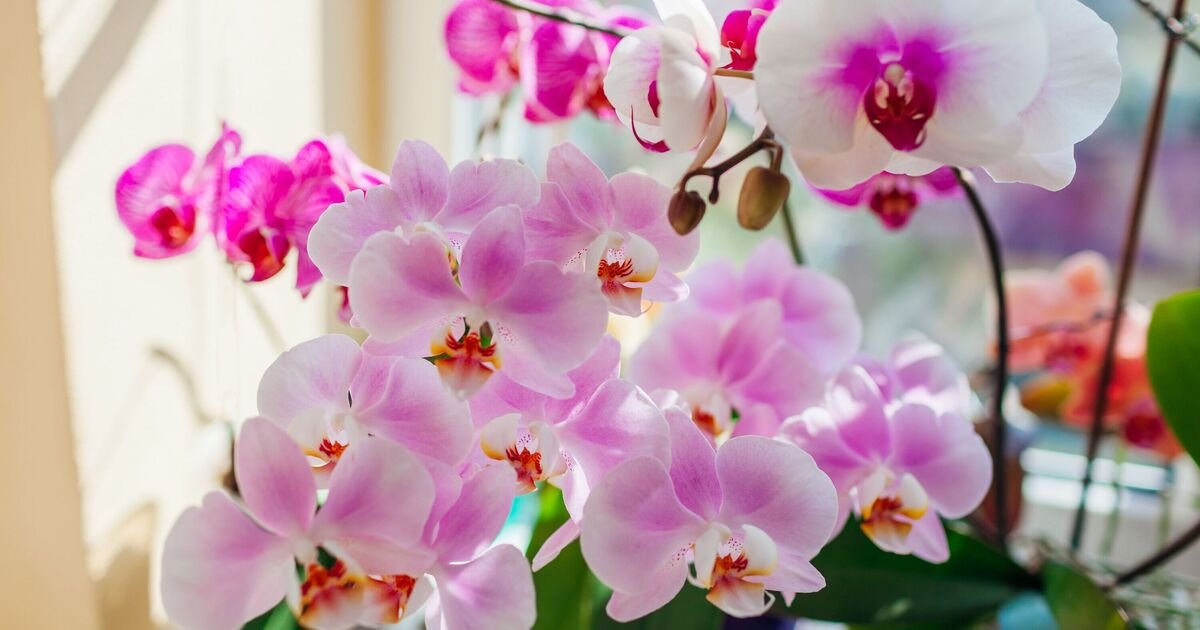
Orchids are the showstoppers of the indoor plant world. With their elegant stems and intricate, long-lasting blooms, they bring a touch of tropical beauty into our living spaces. However, there is nothing more disheartening than watching those perfect flowers wither and drop long before their time. If you have noticed your orchid petals hitting the floor earlier than expected, you are not alone. It is a common frustration for plant enthusiasts, especially when the seasons shift.
The good news is that these plants are often just reacting to their environment. By making a few small adjustments to your care routine, you can keep your blooms thriving and ensure your indoor garden stays cheerful all year long.
The Overwatering Trap
One of the biggest culprits behind falling flowers is a well-intentioned over-eager approach to watering. It is easy to assume that a plant needs a drink just because it has been a few days, but orchids have specific needs. If they are in a bark mix, they generally need a drink every five to seven days. If they are in sphagnum moss, that interval stretches to 10 or 21 days.
When roots sit in standing water, they eventually rot. Once the roots are compromised, the plant can no longer soak up the nutrients required to sustain its flowers. Before you reach for the watering can, check the dampness of the mix with your finger or a simple wooden toothpick. If it feels dry, go ahead and water. If it is still moist, hold off. Also, always ensure you let the pot drain completely; never let your plant sit in a saucer full of water.
Mastering the Temperature Balance
Orchids are native to stable, warm, and humid climates. In the average home, particularly during the colder months, we tend to create environments that are the polar opposite of what these plants crave. A sudden shift from a warm radiator to a chilly draught from a window can send the plant into a state of shock, causing it to drop buds rapidly.
Try to find a permanent home for your orchid that stays away from external doors, air conditioning vents, and heat sources. They love bright, indirect light, so a spot near a window is ideal, provided it does not get blasted by direct sunshine or hit by cold air currents. Once you have found that sweet spot, try your best to leave the plant where it is. Constantly moving your orchid around just adds to its stress levels.
Is It Just Nature Taking Its Course?
Before you worry that you have done something wrong, take a moment to look at how long the flowers have actually been on the stem. Orchids typically enjoy a natural blooming cycle that lasts about three months. If your plant has been showing off its beauty for several weeks or months, the flowers dropping off might simply be a sign that their time has come. This is a natural part of the plant’s life cycle, not necessarily a sign of neglect. If the leaves look firm and green, your plant is likely perfectly healthy and simply resting up for its next display.
A Simple Trick for Perfect Hydration
If you find yourself constantly second-guessing how much water to provide, there is a clever, unconventional method you can try: the ice cube hack. It might sound strange to place ice on a tropical plant, but it is a surprisingly effective way to measure moisture.
As the ice melts, it releases water slowly into the growing medium. This prevents the soil from becoming waterlogged and gives you a much better handle on exactly how much the plant is consuming. While it might seem odd to introduce cold to a plant that enjoys warmth, the impact on the root system is negligible and temporary. It is a fantastic method for anyone who finds it difficult to gauge the right amount of water through traditional pouring.
By keeping these simple factors in mind—avoiding stagnant water, protecting your plant from sudden temperature swings, and being mindful of its natural cycle—you can turn your orchid care around. With a little consistency and a watchful eye, your plants will continue to reward you with beautiful blooms for seasons to come.
Disclaimer: This content is auto-generated for informational purposes only.
Source: Read Original News