






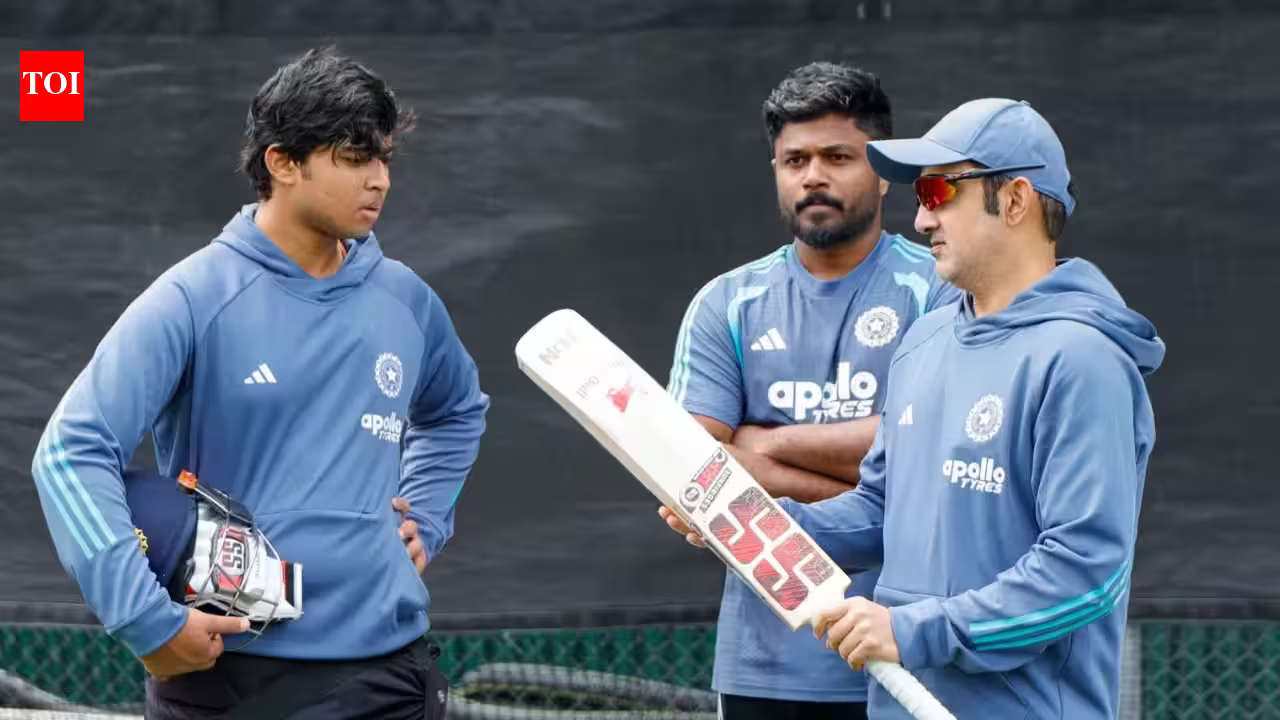
SHAKE-UP ON THE HORIZON: Dinesh Karthik calls for strategic rotation in India’s T20I lineup ahead of series finale against New Zealand.
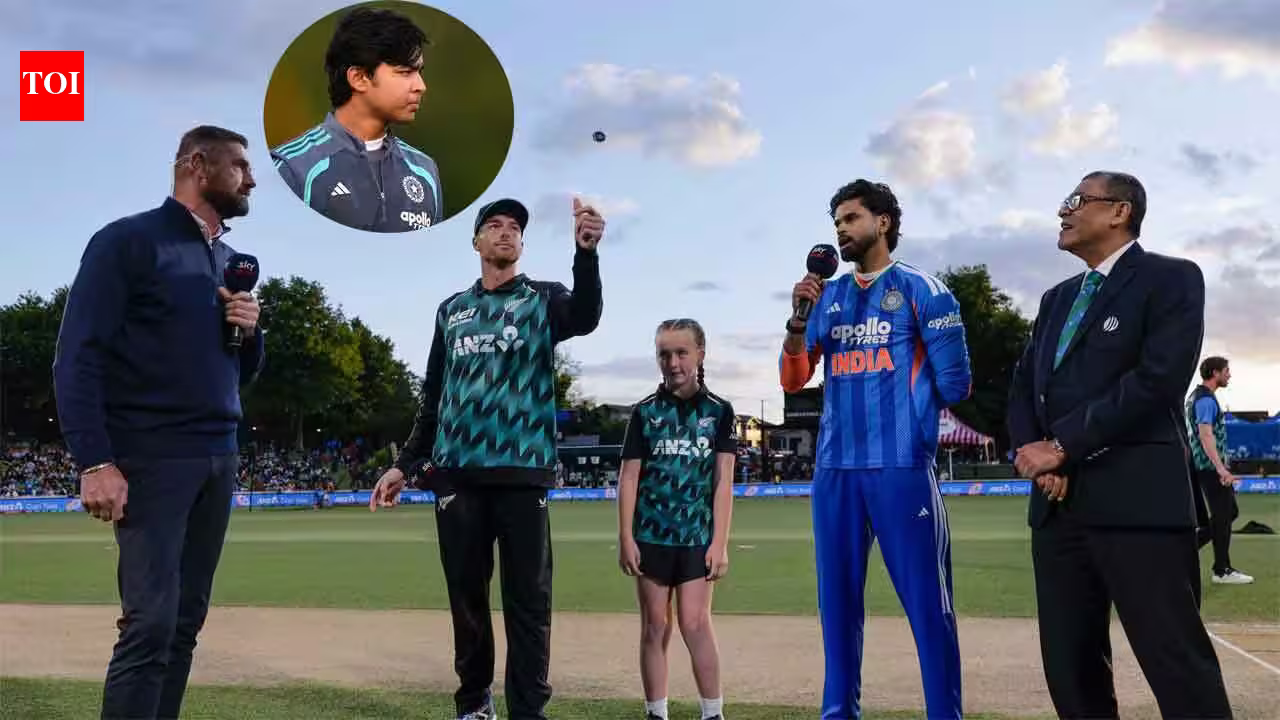
The Indian team management, spearheaded by head coach Gautam Gambhir, finds itself at a tactical crossroads as the Men in Blue prepare for the fifth and final T20I against New Zealand. Despite having already clinched the series with an impressive 3-1 lead, the crushing 87-run defeat in the fourth T20I in Auckland has ignited a fierce debate regarding team composition and the equitable treatment of established stars versus rising prospects.
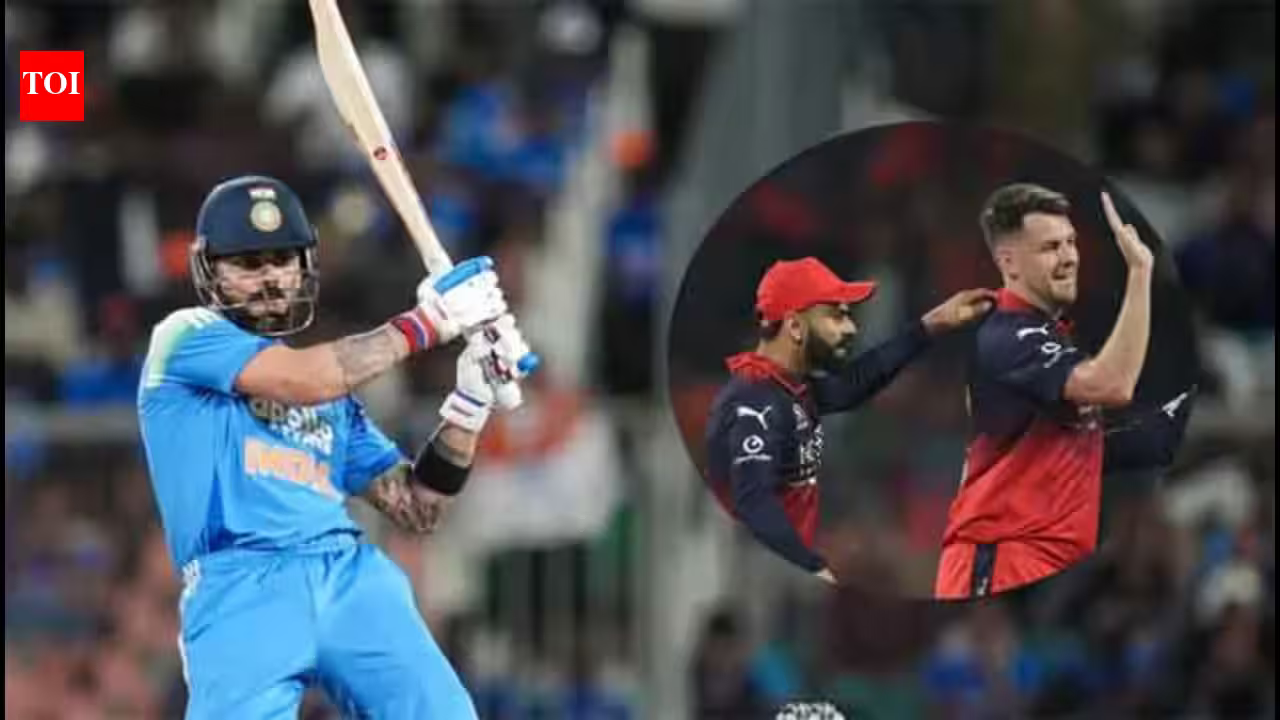
At the heart of this discourse is the future of teenage batting sensation Vaibhav Sooryavanshi and the recurring trend of shuffling Sanju Samson to accommodate young talent. Former India wicketkeeper-batter Dinesh Karthik has weighed in heavily, urging the management to reconsider its rotational strategy. Specifically, Karthik argues that if the team intends to reintegrate the explosive Sooryavanshi into the playing XI, the burden of sacrifice should shift away from Samson.
The Case for Consistent Opportunity
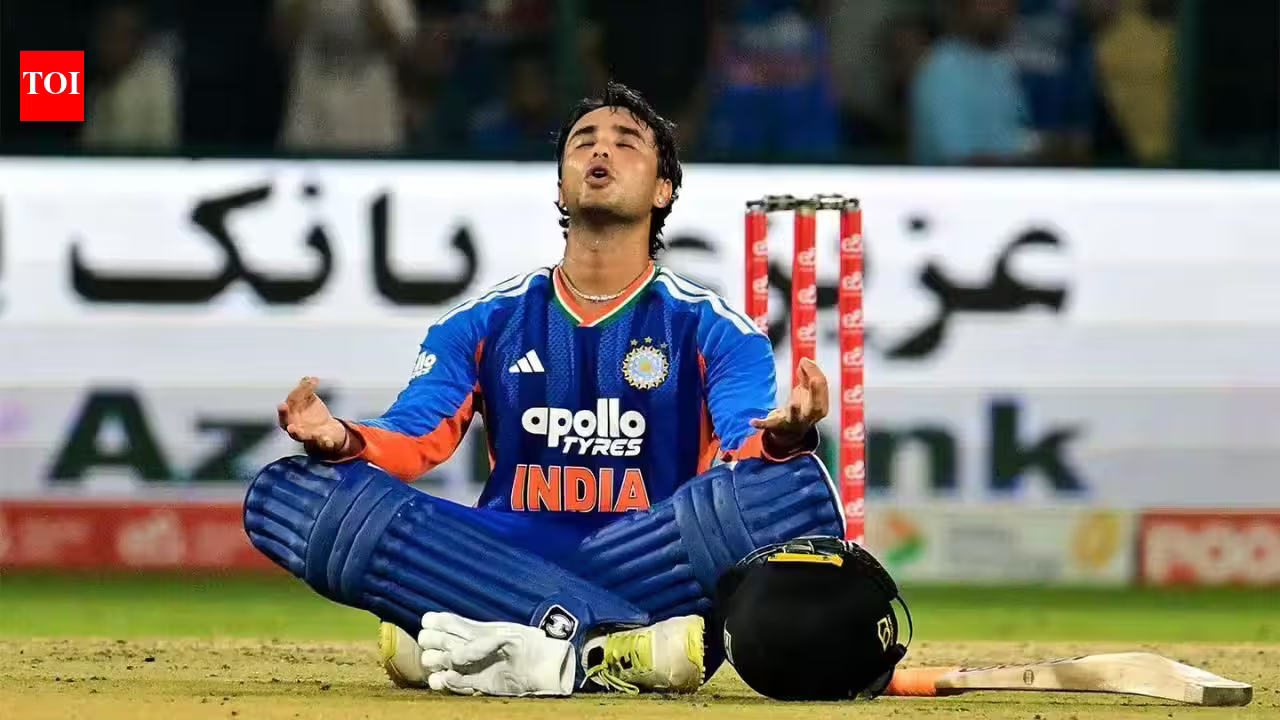
Sooryavanshi, who missed the Auckland encounter due to the return of Ishan Kishan, turned heads in the third T20I in Wellington. The youngster displayed maturity beyond his years and raw power, smashing a blistering 45 runs off just 19 deliveries. However, his absence in the fourth game—where India’s batting order collapsed under the pressure of New Zealand’s massive 259-run target—has left fans and pundits questioning the selection policy.
The core of the issue, according to Karthik, is the perceived pattern of dropping Samson whenever the management wants to experiment. Speaking on Cricbuzz, the veteran commentator emphasized that Samson’s development and rhythm are being hampered by constant instability.
“I know the world will want Vaibhav to play,” Karthik noted during his analysis. “If they want to play Vaibhav, it has got to be in place of Abhishek [Sharma], to give him a break, and that is how it should be. Every time there is anything related to Vaibhav, it is always Sanju. If you want to really fit in Vaibhav, Abhishek can take a break. The key word here is break.”
Samson’s Rollercoaster Series
Sanju Samson’s campaign against the Black Caps has been a classic illustration of the “stop-start” nature of modern international cricket. He began the series with a thunderous 67 off 33 balls in Christchurch, a match-winning performance that earned him Player of the Match honors. Yet, since that high, he has struggled to find consistency, logging scores of 14 and 18.
Critics point out that the instability of his batting position—notably being shunted to No. 3 in the third T20I specifically to fit Sooryavanshi into the lineup—has played a significant role in his dip in form. For a player looking to cement his place in the national squad ahead of major ICC events, constant shifts in roles and the persistent threat of being dropped create an environment where sustained performance becomes difficult to achieve.
A Need for Strategic Reflection
The fourth T20I served as a harsh reality check for Gambhir’s side. New Zealand’s Glenn Phillips dismantled the Indian attack with a spectacular 107 off 49 balls, and the subsequent failure of the Indian middle order to chase down the mammoth 259 target highlighted a lack of composure. While the series is already in the bag, the fifth T20I offers a vital window for India to finalize their depth chart.
Abhishek Sharma, who has been a centerpiece of the batting lineup, now finds himself under the microscope. While he is undoubtedly a key part of the team’s future, Karthik’s suggestion of a “rest” provides a diplomatic yet firm pathway forward. By resting an established starter rather than dropping a player who is fighting for their long-term position, the management could maintain a balanced competitive environment.
The Road Ahead
As the Indian squad travels for the final clash, the eyes of the cricketing world will be on the team sheet. Will Gautam Gambhir stick to his current configuration, or will he heed the advice of veterans like Karthik to protect the confidence of a talent like Samson while still giving the brilliant Sooryavanshi the exposure he deserves?
The final match is not just about the scoreline; it is a laboratory for the next World Cup cycle. Whether India opts for stability or further experimentation, the decision will reflect the management’s philosophy on nurturing young stars without discarding established performers. For fans, it is a high-stakes finale to a series that has provided both dazzling individual brilliance and glaring tactical questions. One thing is certain: in the high-pressure world of international cricket, managing egos and potential is just as important as the performance on the pitch.
Disclaimer: This content is auto-generated for informational purposes only.
Source: Read Original News