








The PROLED XDR Transition
Apple has officially unveiled its latest iteration of the MacBook Pro, marking the most significant display overhaul for the professional laptop series in five years. The introduction of the PROLED XDR panel represents a departure from the traditional miniLED technology that has defined the high-end Mac experience since the M1 generation. By moving to this new panel, Apple aims to achieve deeper contrast ratios, improved color accuracy, and higher power efficiency.
While the display is the centerpiece of this hardware update, the physical construction has also undergone a noticeable shift. The chassis has been optimized for portability, resulting in a 0.5-pound weight reduction for the 14-inch model and a 0.7-pound reduction for the 16-inch version. These changes, coupled with a slightly thinner profile, demonstrate Apple’s focus on refining the internal layout to accommodate the new screen technology without sacrificing the thermal performance required for intensive professional tasks.
Design Continuity and Hardware Stability
Despite the marketing surrounding the “new” MacBook Pro, users familiar with the previous generations will find the physical design language largely unchanged. The top case, keyboard layout, trackpad dimensions, and port distribution remain identical to the outgoing M4-based models. For power users, this consistency is a double-edged sword. On one hand, the proven reliability of the current thermal architecture and input methods ensures that users do not need to adapt to a new physical interface. On the other, the lack of a chassis redesign might leave some waiting for a more radical departure in aesthetics.
The decision to retain the established chassis design implies that Apple views the current architecture as optimal for its existing silicon range. While previous transitions were often accompanied by shifts in port placement or top-case geometry, this generation prioritizes internal component performance—specifically the display hardware—over sweeping visual changes. For many enterprise and creative professionals, this stability is a functional benefit, as existing docks, stands, and hardware peripherals remain fully compatible.
Performance and Silicon Strategy
A primary point of discussion regarding the current MacBook Pro launch is the chip selection. The hardware is currently shipping with the M5 series of processors, a choice that has triggered speculation among the professional community given the anticipated arrival of the M7 generation in the coming year. While the M5 chips continue to provide industry-leading performance-per-watt ratios, the lack of a new-generation silicon bump makes this release feel less like a total performance reset and more like a bridge product for those who specifically require the new PROLED XDR screen.
The premium pricing structure, exacerbated by recent cost adjustments in the broader Apple hardware ecosystem, necessitates a careful evaluation of the upgrade path. Users currently operating on M4 Pro or M4 Max systems may find that the performance gains offered by the current iteration are incremental rather than transformative. For those whose workflows depend on high-intensity video rendering, real-time 3D simulation, or large-scale software compilation, the benefit of the new panel must be weighed against the longevity of the existing chip architecture.
The Integration of Touch Controls
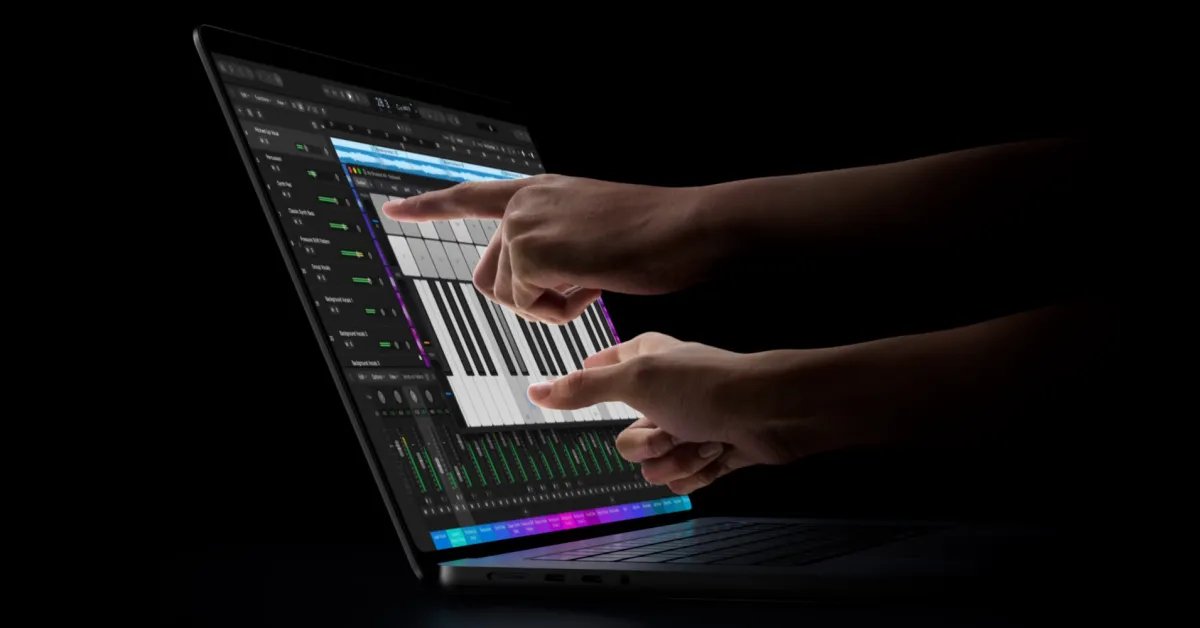
Perhaps the most significant functional change in this release is the addition of touch-screen capability to the macOS ecosystem. While the laptop remains a traditional clamshell device, the display now supports direct touch input. At present, the implementation is focused on specific use cases, such as interacting with the iOS simulator for developers, and navigating system-level interface elements that have been optimized for touch-based interactions.
This update represents the first phase of a long-term strategy to bridge the gap between iPad-like touch fluidity and Mac-based desktop power. Currently, the feature serves as a secondary input method rather than a primary mode of operation. Whether this will evolve into a transformative workflow for creative professionals—such as those using illustration or precision editing tools—remains to be seen. Apple has indicated that future software updates will continue to unlock new touch-based capabilities, suggesting that the hardware’s full potential will be realized incrementally through macOS firmware iterations.
Market Positioning and Future Outlook
The arrival of the PROLED XDR MacBook Pro signals a clear shift in Apple’s premium laptop roadmap. By focusing on display technology as a primary selling point, the company is catering to visual artists, photographers, and video editors who require color-critical environments. However, for the average professional, the existing miniLED models remain exceptionally capable, with high brightness levels and color reproduction that meet the needs of most workflows.
The current strategy suggests a future where high-end displays are the primary differentiator between annual hardware updates. With the eventual transition to M7 silicon, this chassis will likely become the foundation for a much more powerful platform. For those who are not tethered to a immediate need for a display upgrade, waiting for the alignment of next-generation silicon and further touch-based software refinements is a logical strategy. The MacBook Pro continues to be a standard-bearer for professional laptops, but this specific iteration is a calculated update for a specific type of user rather than a universal requirement for all owners.
Disclaimer: This content is auto-generated for informational purposes only.
Source: Read Original News