








The Evolution of PlayStation Plus: Redefining Digital Subscription Value
The landscape of gaming services has undergone a radical transformation over the past several years, shifting from simple online multiplayer access to expansive, curated libraries of digital content. At the center of this movement is the PlayStation Plus service, which has transitioned from a basic membership requirement for console connectivity into a multi-tiered ecosystem. This update marks a significant shift in how players interact with their hardware, prioritizing the longevity of titles and the accessibility of a vast digital catalog.
The structure of the modern service is segmented into three distinct tiers: Essential, Extra, and Premium. Each level serves a specific demographic, ranging from the casual player who seeks only online functionality and monthly game additions to the enthusiast who demands a comprehensive library of legacy titles, cloud streaming capabilities, and time-limited trials for new releases. By diversifying these tiers, the platform aims to compete directly with subscription-based models that have become standard in the broader media industry.
Understanding the Tiered Architecture
The Essential tier functions as the foundational layer of the service. It retains the core benefits that defined the subscription for a decade, including online multiplayer access, monthly downloadable games, and cloud storage for saved data. This tier is designed for those who primarily engage with specific live-service titles and do not require the expansive breadth of an on-demand catalog.
Moving upward, the Extra tier introduces a robust catalog of several hundred PlayStation 4 and PlayStation 5 titles. This library is updated periodically, functioning similarly to a digital rental service where users download games directly to their console storage. The inclusion of this catalog represents the most substantial value proposition for the average consumer, as it eliminates the need to purchase individual titles for one-off sessions or short-term engagement.
The Premium tier acts as the apex of the service, integrating access to the Classics Catalog, which spans multiple generations of the company’s hardware history. Furthermore, it incorporates cloud streaming for a subset of the library, allowing users to experience games without waiting for lengthy installations. This tier is engineered for long-term users who prioritize archival access and high-end feature sets, bridging the gap between historical preservation and modern convenience.
Performance and Technical Implementation
The technical foundation of this service relies heavily on robust server infrastructure to manage high-speed downloads and stable cloud streaming sessions. For players opting for the Premium tier, the cloud streaming component is particularly noteworthy. It leverages proprietary data centers to minimize latency, ensuring that inputs on the controller translate to on-screen actions with minimal perceptible delay. This technology is vital for titles that require precise timing, as any lag could render the service unusable for competitive gaming.
From a storage perspective, the service encourages the use of high-speed solid-state drives. Because the catalog is delivered via a digital distribution model, the speed of the user’s local area network becomes the primary bottleneck for game accessibility. The platform mitigates this through sophisticated compression algorithms that maintain image quality while reducing the total file size required to start a session. These technical optimizations are critical for maintaining a seamless user experience, preventing the friction of long wait times that often plague large-scale digital platforms.
Use Cases and Consumer Impact
The utility of such a service is best illustrated by the changing habits of modern players. Historically, gaming required a one-to-one financial investment for every title played. With the introduction of these subscription tiers, the model has shifted toward a consumption-based paradigm. For a household with diverse interests, the Extra catalog provides a low-risk environment to sample genres that might otherwise be overlooked. If a player finds a title they enjoy, the service acts as a gateway; if they find a game that does not align with their preferences, they can move to the next title without a direct financial penalty.
Furthermore, the implementation of time-limited game trials for new releases provides a unique service to the market. By offering players the ability to test a high-budget title for several hours before committing to a full purchase, the service creates a transparent relationship between the developer and the consumer. This reduces the uncertainty associated with high-cost software purchases, fostering a more informed marketplace where players invest in titles they have verified through hands-on experience.
The Future of Digital Preservation and Connectivity
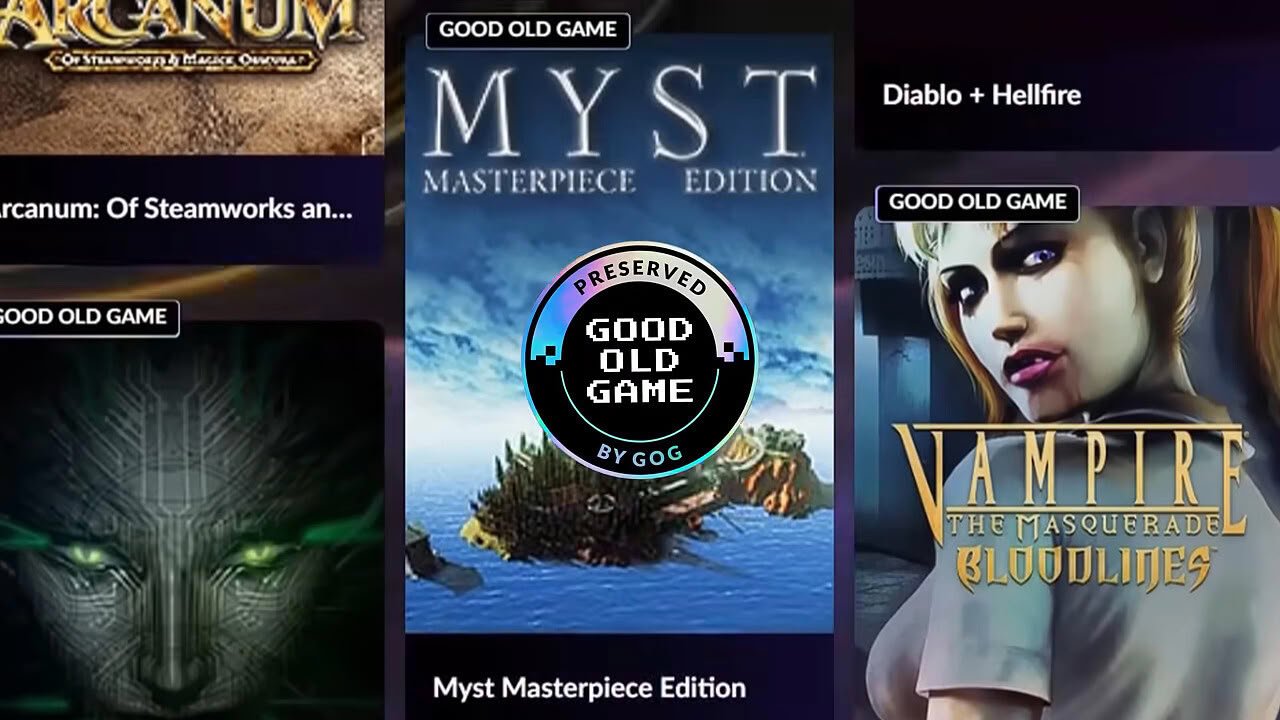
As the industry continues to move toward a digital-first reality, the role of these subscription services will likely expand to encompass deeper integration with the hardware itself. The focus on the Classics Catalog serves as a significant benefit for software preservation. By reintroducing older titles to modern hardware, the platform keeps historical software relevant, ensuring that legacy titles are not lost to the decay of aging physical media.
The integration of these features into a unified dashboard indicates that the future of home console usage is increasingly focused on service-led experiences. By lowering the barrier to entry for large collections of software, the platform ensures that the hardware remains the primary focal point for interactive entertainment. As networking speeds improve globally and server stability continues to evolve, the distinction between a locally installed game and a streamed one will become increasingly blurred, potentially moving the entire platform toward a cloud-centric future where high-fidelity performance is no longer tethered to local storage capacity. Through this iterative process, the service continues to adapt, reflecting the changing demands of a global gaming audience.
Disclaimer: This content is auto-generated for informational purposes only.
Source: Read Original News