








The Macroeconomic Drivers Behind Rising Energy Costs
The recent adjustments in the pricing of commercial liquefied petroleum gas (LPG) and aviation turbine fuel (ATF) in India serve as a stark reminder of the country’s vulnerability to global energy volatility. As state-owned oil companies implemented a modest increase of Rs 10 on commercial 19-kg LPG cylinders and a rise of Rs 1.37 per litre for ATF, the move reflects a broader trend of recalibration based on international benchmarks. In the Indian market, where energy prices are intrinsically linked to the landed cost of crude oil and the performance of the rupee against the US dollar, these fluctuations are rarely isolated incidents.
The pricing mechanism for non-subsidized petroleum products in India operates on a dynamic, market-linked basis. When international crude prices rise, or when the Indian rupee weakens, the cost of importing energy inputs increases. This cost is inevitably passed down the value chain. For commercial enterprises, these periodic revisions represent a complex variable in their operational planning. Unlike household consumers, whose domestic LPG cylinders currently remain stable, the business sector is subjected to the full force of market volatility, forcing companies to constantly re-evaluate their fiscal projections and pricing strategies.
Impact on the Hospitality and Food Service Sector
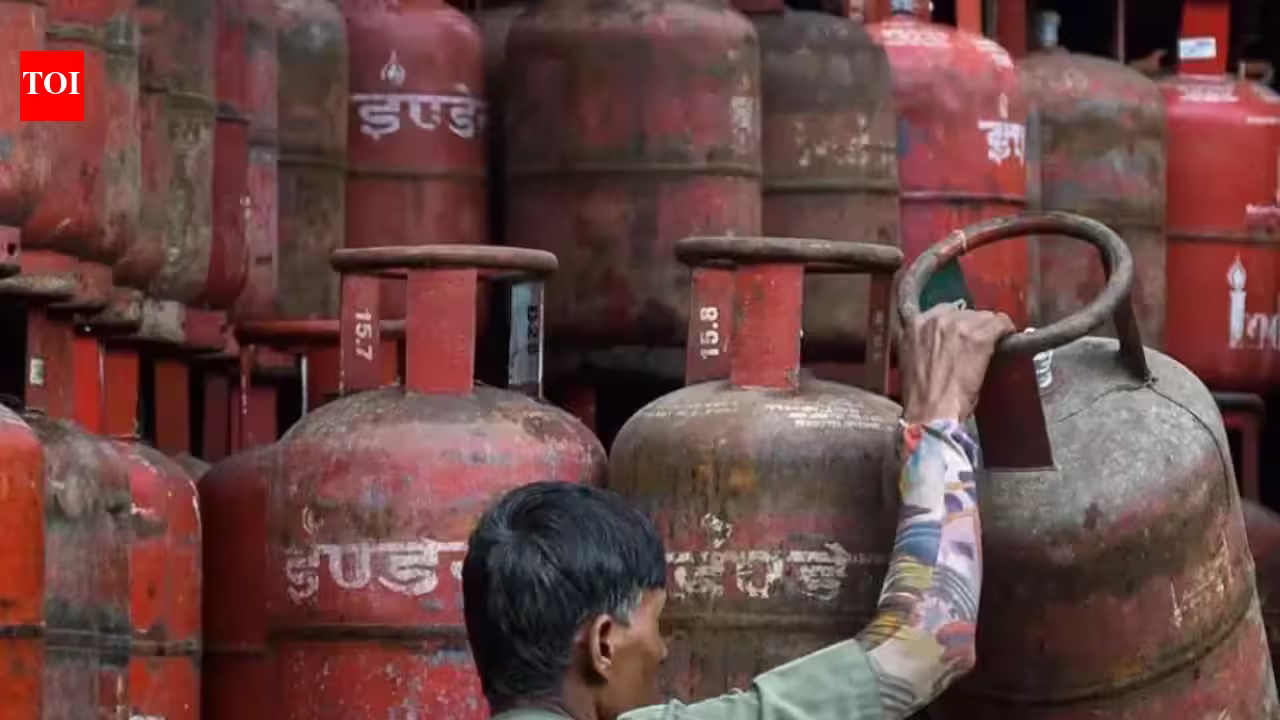
The hospitality and restaurant industry serves as the primary consumer of 19-kg commercial LPG cylinders. For these businesses, energy expenditure represents a significant portion of variable costs. The recent series of price hikes—following a period of downward revisions—creates a challenging environment for profit margin management. When utility costs spike, restaurants face a difficult binary: absorb the rising expenses, which diminishes the bottom line, or pass the cost onto the consumer, which risks lower demand in an already price-sensitive market.
In the Indian context, the food service industry operates on thin margins. The recurring revisions in LPG prices make it difficult for business owners to standardize their menu pricing. A fluctuation of a few percentage points may seem incremental in isolation, but when combined with rising raw material costs and labor expenses, it exacerbates the inflationary pressure on the entire food service value chain. Small and medium enterprises, which form the backbone of the Indian culinary landscape, are particularly susceptible to these shifts as they lack the scale to hedge against energy price volatility through long-term procurement contracts.
The Cascading Effect of Aviation Fuel Hikes
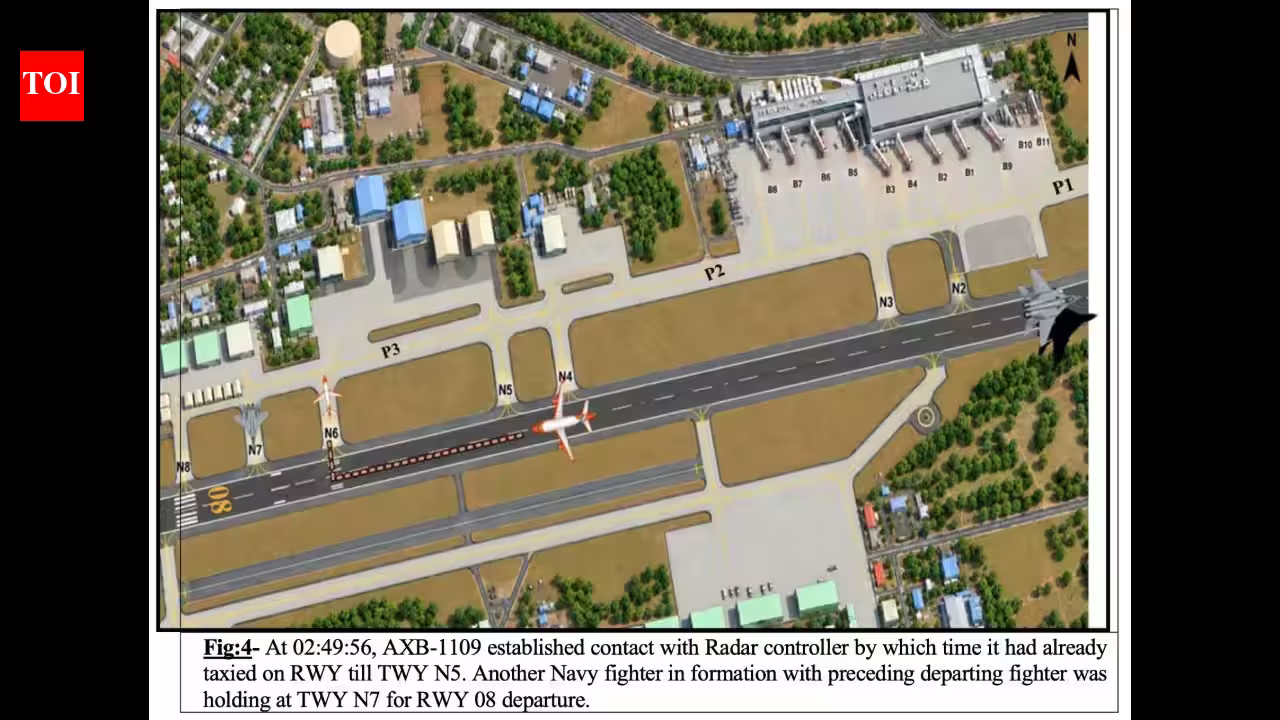
While the commercial LPG increase affects the service sector, the fourth consecutive monthly hike in Aviation Turbine Fuel (ATF) presents a formidable challenge to the Indian aviation industry. ATF is widely acknowledged as the single largest expenditure component for airlines, often accounting for as much as 30 to 40 percent of total operating costs. With the price now elevated to Rs 138.50 per litre, the financial strain on carriers is compounded, particularly as they attempt to balance passenger volumes with fuel efficiency.
The Indian aviation market has witnessed a robust post-pandemic recovery, yet this momentum is sensitive to ticket pricing. As fuel costs climb, the pressure on airlines to increase base fares becomes unavoidable. This creates a cycle where higher travel costs may eventually temper the growth in passenger traffic. Furthermore, the volatility in fuel pricing complicates the hedging strategies employed by airlines. When fuel prices rise consistently over four months, it signals a structural shift in international energy pricing that carriers cannot easily ignore, leading to more frequent adjustments in dynamic pricing models and ancillary charges.
Strategic Resilience in a Volatile Energy Landscape
Indian businesses across various sectors are increasingly forced to adopt long-term strategies to mitigate the risks associated with energy price hikes. For manufacturing and hospitality firms, the reliance on traditional LPG is being questioned, leading some to explore greater energy efficiency through the adoption of modernized, heat-retention kitchen equipment or industrial-grade burners that minimize gas wastage. These investments, while requiring initial capital, serve as a buffer against the unpredictability of monthly price revisions.
Furthermore, companies are beginning to look at the broader energy mix to reduce their dependence on fossil-fuel-derived inputs. Although a total transition to renewable energy is not feasible for every enterprise in the short term, the integration of solar-assisted heating systems and biomass alternatives is gaining traction. The focus is shifting from merely managing monthly utility budgets to achieving long-term energy self-sufficiency. By investing in better insulation, smart metering, and heat recovery systems, Indian businesses can dampen the impact of price shocks, turning a reactive cost-management approach into a proactive operational efficiency strategy.
Government Policy and the Future of Energy Pricing
The government’s decision to keep domestic LPG prices stable while allowing commercial and aviation fuel prices to fluctuate underscores the dual mandate of protecting household consumers while maintaining the fiscal viability of state-owned oil marketing companies. This policy framework is designed to prevent energy-induced inflation from eroding the purchasing power of the average citizen, while simultaneously ensuring that the energy sector operates on market principles for commercial entities.
However, the continued reliance on imports means that India remains a price-taker on the global stage. The path forward involves sustained efforts to diversify energy sources, such as increasing domestic natural gas production, accelerating the blending of ethanol in transport fuels, and incentivizing green hydrogen initiatives. As these alternatives become more viable, the reliance on traditional commercial LPG and ATF may gradually decline, providing a more stable floor for operating costs. Until that transition is complete, businesses must continue to refine their financial strategies, treating energy costs not as a fixed line item, but as a strategic variable that requires constant oversight and analytical rigor to sustain long-term growth and competitiveness in the Indian market.
Disclaimer: This content is auto-generated for informational purposes only.
Source: Read Original News