








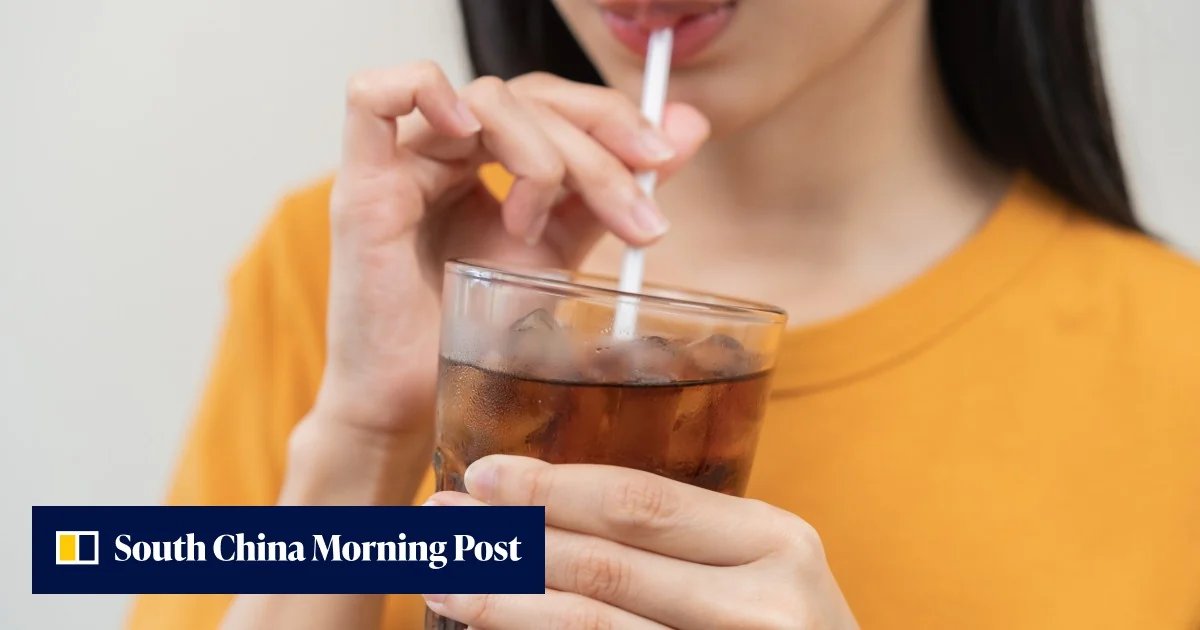
For 35-year-old Singaporean flight attendant Chloe Tan Zi Ling, the daily crusade against single-use plastics has hit an unexpected snag: the paper straw. Like many consumers across Asia, Tan has found herself navigating a transition intended to save the oceans, only to find the replacements functionally inadequate.
“It softens before we can finish the drink, so we have to gulp it down without a straw,” Tan said, noting that even the alternative of metal straws often leaves an undesirable metallic aftertaste. Her frustration is far from isolated; it sits at the heart of a mounting debate regarding the true environmental cost of the global movement to ban plastic.
For years, the environmental narrative has been clear: plastic is the villain, and paper is the savior. However, a recent study conducted in South Korea is challenging the long-held assumption that paper and other common straw alternatives are inherently greener than their plastic counterparts. The research evaluated straws across 16 different environmental impact categories—including carbon footprint, water consumption, and toxicity—and found that conventional plastic outperformed paper and other substitutes in 10 of those metrics.
The findings have sparked a complex conversation among environmental scientists and policymakers. While plastic pollution remains a visible scourge, particularly in marine environments, the life-cycle assessment (LCA) approach used in the study accounts for the hidden costs of production. Paper straws require significantly more energy, water, and chemical inputs during the manufacturing process compared to the relatively low-energy, efficient production of polypropylene plastic. Furthermore, the transportation of heavy paper products often results in a higher carbon footprint than the shipping of lightweight plastic alternatives.
This data complicates the “plastic-free” mandate that has swept through Asia, where many nations are aggressively phasing out single-use plastics. While the policy shift aims to reduce the volume of debris in landfills and waterways, the South Korean study suggests that shifting away from plastic without considering the total environmental burden of the alternatives could inadvertently result in higher greenhouse gas emissions and greater resource depletion.
Proponents of the paper shift argue that the primary goal is to prevent non-biodegradable waste from entering the food chain. Plastic straws, which often break down into microplastics rather than decomposing, pose a long-term threat to marine life that is difficult to capture in traditional life-cycle metrics. Environmental advocates maintain that even if paper has a higher energy cost to produce, its ability to break down naturally in the environment remains its most vital attribute.
However, the industry is now facing a dilemma of “environmental trade-offs.” Critics of the paper transition point out that many paper straws are coated in thin layers of plastic-like polymers or chemicals to prevent them from disintegrating, which can complicate recycling efforts and potentially introduce new environmental hazards.
The debate has left both businesses and consumers caught in the middle. As service industries scramble to comply with environmental regulations, they are forced to choose between the structural failure of paper and the ecological stigma of plastic. For consumers like Tan, the solution may not be a different material, but a reduction in usage altogether.
As the scientific community continues to refine the methodology for assessing product sustainability, the South Korean study serves as a critical reminder: the path to sustainability is rarely as simple as replacing one item with another. True progress may require a deeper look at consumption habits and a more nuanced understanding of how manufacturing impacts the planet long before a straw ever reaches a beverage. For now, the push to abandon plastic continues, but the conversation has shifted—the focus is no longer just on what we are throwing away, but on what we are choosing to create in its place.
Disclaimer: This content is auto-generated for informational purposes only.
Source: Read Original News