








As the golden leaves of autumn begin to blanket our outdoor spaces and the mornings take on that crisp, sharp chill, many of us are tempted to pack away the gardening gloves and tuck the mower into the back of the shed. It is easy to assume that once the clocks go back, our work in the yard is done. However, there is one final task that stands between you and a healthy green space next spring: the final lawn mow of the year.
Getting this timing right is a subtle art. It is not about a specific date on the calendar, but rather listening to what your grass is telling you. If you get it right, your lawn will stay resilient through the frost; get it wrong, and you might be dealing with sparse patches once the flowers return.
The art of the perfect trim
Most of us spend the summer months obsessed with keeping our lawns short, neat, and tidy. But as the temperatures dip, your approach needs to shift. Think of your lawn like a house preparing for winter—it needs a bit of extra insulation. If you cut the grass too short, you leave the soil exposed and the roots vulnerable to the biting cold. Conversely, if you leave it too long, it can become matted and prone to fungal issues under the weight of autumn rain and snow.
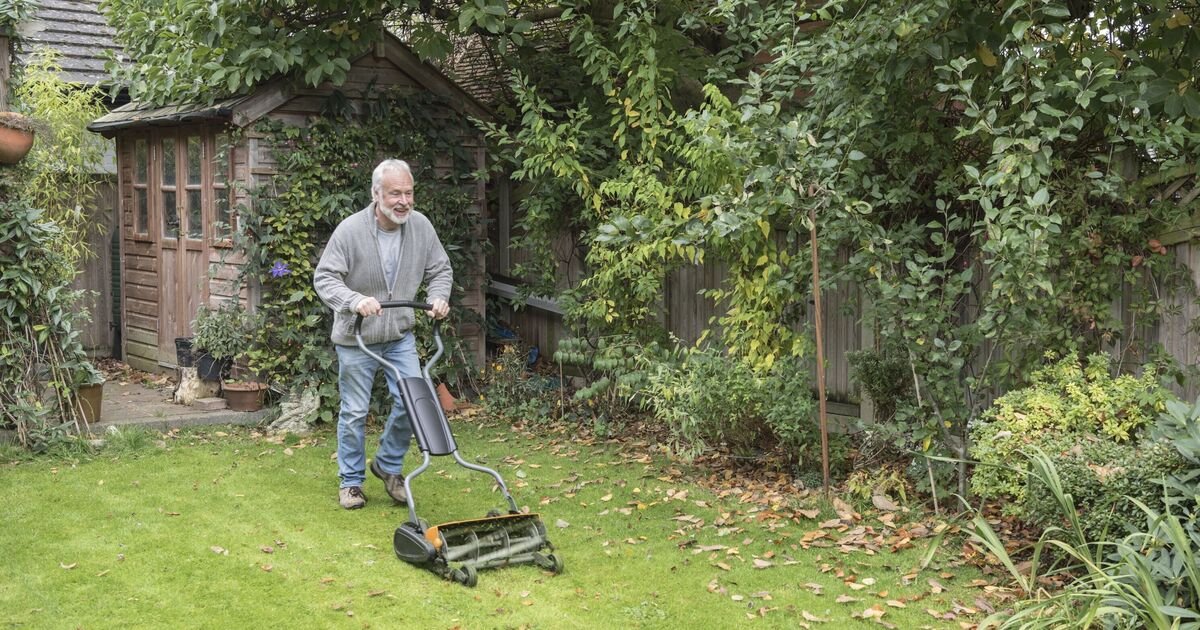
The golden rule is to keep things slightly higher than you would in mid-July. Aiming for a length of about four to five centimeters is generally the sweet spot. If your lawn has grown quite wild, resist the urge to hack it all down in one go. Give it a gentle trim, wait a few days, and then finish the job. This prevents the grass from suffering from shock and keeps it healthy for the months ahead.
Timing your last dance with the mower
Many people look for the first frost as a signal to stop mowing, but that is a bit of a myth. Grass is remarkably resilient and will often continue to grow as long as the days stay mild. Instead of waiting for a calendar date, keep a close watch on the speed of growth. When you notice that your weekly mow is barely picking up any clippings, that is your cue.
This year, because the weather has been a bit kinder throughout October, you might find that your final cut happens a bit later than usual. Keep an eye on the forecast. You want to aim for a dry, clear day before the consistent frosts settle in. Once the ground turns soggy or icy, it is time to put the mower away for good and give your machine a well-deserved rest.
Preparing the ground for winter
Before you commit to that final trim, there are a few simple maintenance steps that can transform your lawn. Think of this as the final check-up before the winter hibernation. Start by clearing away any fallen leaves. While they might look charming on the grass, they act like a heavy blanket that cuts off sunlight and traps dampness, which is a recipe for mold. Raking them up is a simple way to keep your lawn breathing.
If you have noticed areas where the ground feels particularly hard or where grass is struggling to grow, consider aerating. Using a garden fork to make small, deep holes in the soil helps oxygen and moisture reach the roots more effectively. It is a fantastic way to relieve compaction after a summer of kids playing and outdoor gatherings.
Nutrients and care for the long haul
Just before the really cold weather hits, your lawn can benefit from one last dose of slow-release fertilizer. This provides the soil with the support it needs to develop strong, deep roots during the dormant season. Think of it as a nutrient-dense meal that sustains the lawn while it waits for the spring sun.
Finally, show your grass some kindness regarding foot traffic. During the colder months, especially on frosty mornings, grass blades become brittle. Walking across a frosty lawn can cause permanent damage, snapping the blades and compressing the soil. Try to stick to paths whenever possible during these late-autumn and winter days. By taking these small, practical steps, you are setting the stage for a lush, vibrant garden the moment the warmer days return. It is a small investment of time now that saves hours of repair work later.
Disclaimer: This content is auto-generated for informational purposes only.
Source: Read Original News