







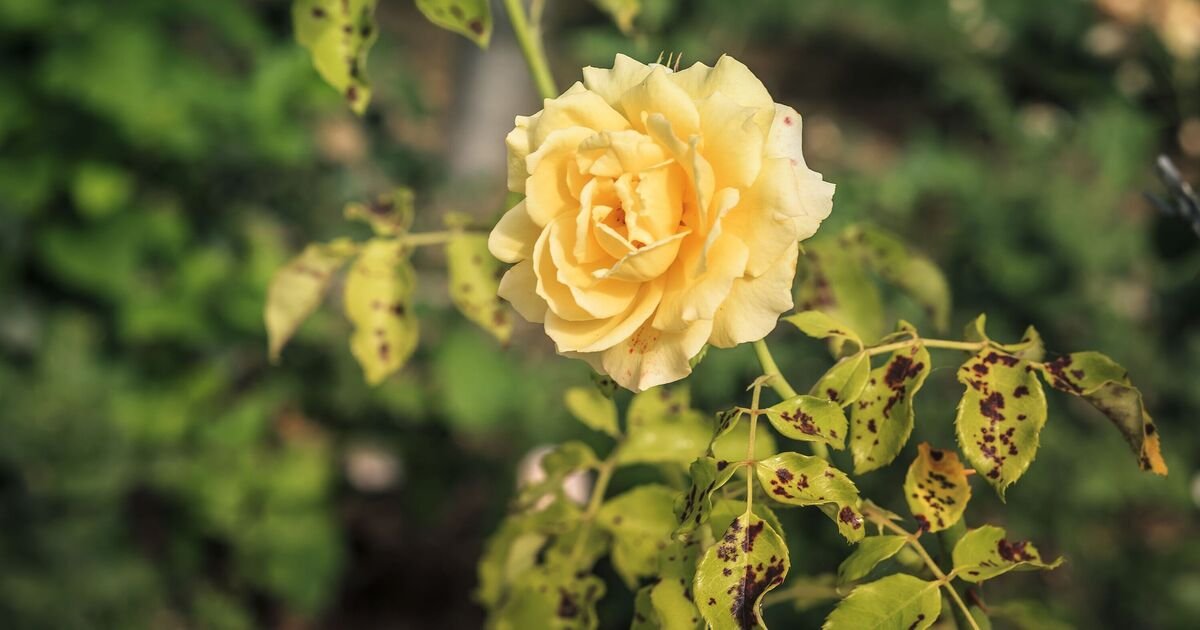
Embracing the Late Season Glow
November often gets a bad reputation for being grey and gloomy, but if you look closely at your garden, you might be surprised to see a final, defiant flourish of beauty. Many rose bushes treat this month as their second act, producing blooms that seem to last longer than their summer cousins. There is something truly special about a rose that holds its own against the chill, offering a splash of color when the rest of the world is preparing for winter.
However, this transition period requires a bit of extra attention. While those late-season blossoms are a delight to look at from the porch, they are also a signal that your plants need a quick check-up. The damp air and falling temperatures create a cozy environment for fungi, specifically black spot. Keeping your roses healthy is less about labor-intensive gardening and more about consistent, small habits that ensure your greenery stays strong for the following year.
Spotting the Signs Early
If you wander out to your rose beds, look past the beautiful flowers and inspect the foliage. Black spot is a common fungal issue that, as the name suggests, presents as dark, circular patches on the leaves. These spots often have a fuzzy edge or a sickly yellow halo around them. You will typically find these on the lower branches first, as rain splashes spores from the soil onto the leaves.
It is important to catch this quickly because, if left unchecked, the fungus spreads. As the spots grow and merge, the entire leaf turns yellow and eventually drops off. When a plant loses its leaves prematurely, it cannot soak up the sun or create the energy it needs to thrive. Think of these leaves as the solar panels for your plant; if they disappear, your rose bush is essentially running on empty. Spotting these markers early is your best defense against a weak garden next spring.
The Pruning Solution
When you do discover these telltale signs, your primary task is sanitation. The most effective way to deal with black spot is to physically remove the source of the infection. Grab your pruning shears and snip off any leaves or stems that show signs of spotting. This should only take a few minutes, but it is a vital step in preventing the fungus from gaining a permanent foothold.
As you prune, remember to keep your tools clean. It is common to move from one plant to the next without thinking, but that is exactly how you transmit spores. A quick wipe of your blades with rubbing alcohol or a standard disinfectant between plants keeps everything tidy and contained. Taking these few minutes during your weekend routine ensures that you are solving the issue rather than spreading it.
Proper Disposal is Key
One of the most frequent mistakes gardeners make is tossing infected plant material onto the compost pile. It is a natural instinct to return organic matter to the earth, but in the case of black spot, your compost heap will simply become a nursery for the fungus. The cool, damp environment of a compost bin is perfect for the disease to overwinter, meaning you will likely find it right back on your roses as soon as the weather warms up in spring.
Instead, dispose of these clippings in your regular garden waste bin or bag them up separately. By removing the material entirely from your property, you break the cycle of infection. It might feel like a chore to separate these clippings, but it saves you the frustration of battling the same issue year after year.
Preparing for a Restful Winter
Maintaining your roses in November is a gentle way to wind down the gardening year. By clearing away the debris and addressing fungal issues now, you are effectively tucking your garden in for a restful sleep. Your roses will thank you for the care, and you will find that the arrival of spring is much more enjoyable when you are starting with a clean slate.
Treat these late autumn chores as a moment of mindfulness. It is a chance to step away from screens, enjoy the crisp air, and focus on something tangible and rewarding. When you finally step back to admire your clean, pruned rose bushes, you will know that you have done your part to ensure a vibrant, healthy display when the cycle of growth begins all over again.
Disclaimer: This content is auto-generated for informational purposes only.
Source: Read Original News