



The Politics of Spectacle: Delhi’s Dussehra and the Burning of Dissent
In the heart of the national capital, the annual celebration of Dussehra has taken on an increasingly politicized hue. Where once the epic tale of the Ramayana served as a traditional moral theater, recent performances have evolved into elaborate exercises in political messaging. This year, the event was characterized by high-tech, AI-generated backdrops of idyllic forests, yet the atmosphere remained charged with intense partisan sentiment.
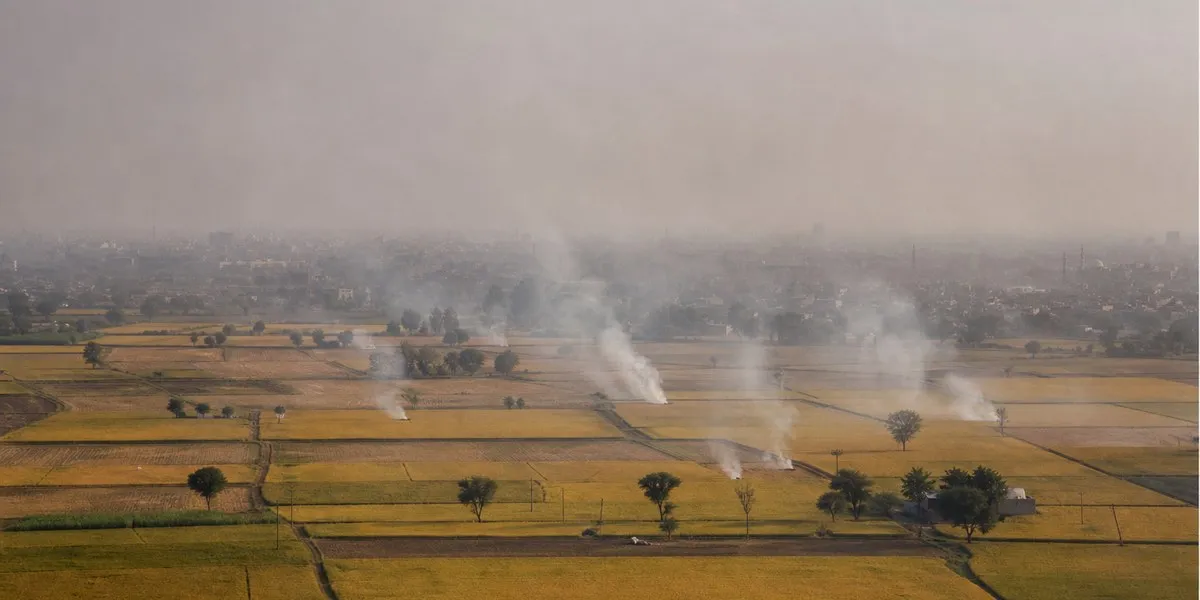
The celebrations were punctuated by power outages and speeches from local leaders, shifting the focus from ancient morality to contemporary ideological grievances. Among the notable speakers was Delhi cabinet minister Kapil Mishra, who utilized the platform to castigate political opponents. Mishra drew sharp parallels between the mythological demons of legend and modern-day adversaries, labeling an alliance of critics, activists, and marginalized groups as a “cockroach” entity—a term he claimed represented the “filth” of the political spectrum. Following his speech, a thirty-foot effigy of a cockroach was set ablaze, followed by the traditional burning of Ravana, contributing to the city’s already poor air quality.
A Growing Movement Amidst Electoral Concerns
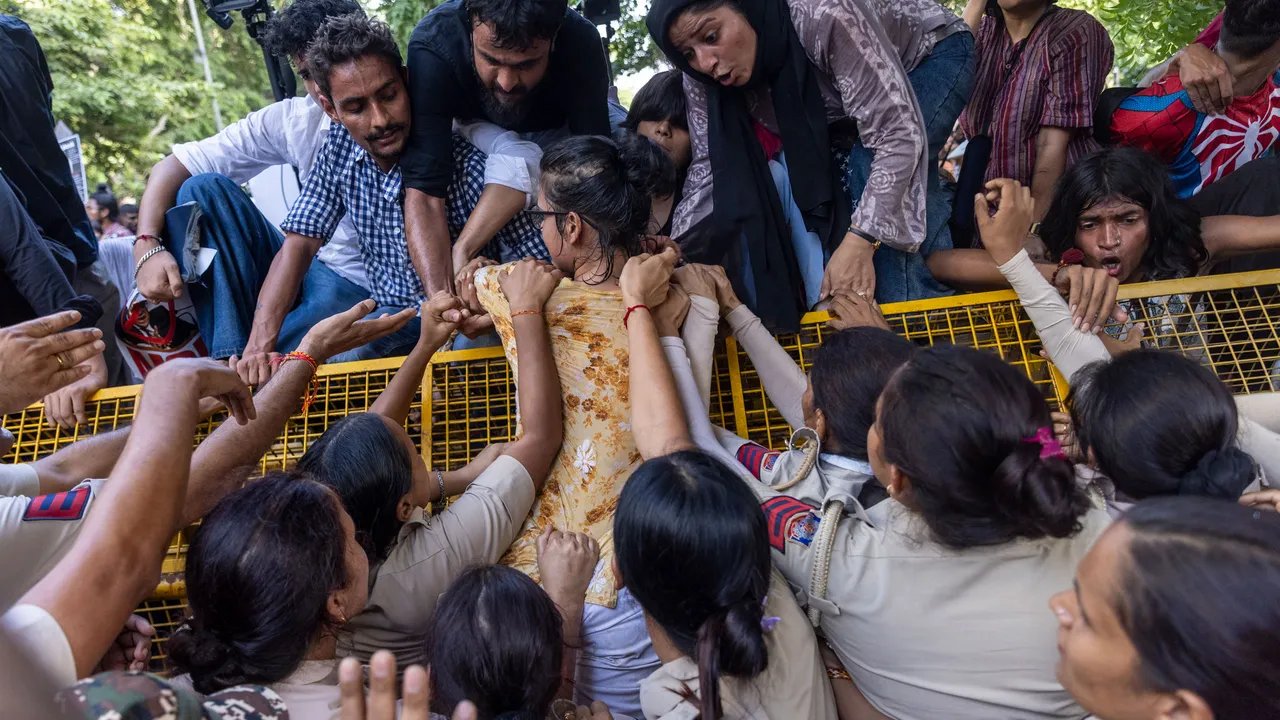
While these state-led spectacles dominate the public square, a different kind of intensity is building on the city’s streets. Contrary to some narratives that attempt to paint these demonstrations as part of a vague global uprising, student leaders and activists maintain that the roots of their dissent are deeply local and specific.
At the center of the current unrest is a profound crisis of confidence in the electoral process. Following a government-led revision of voting rolls—purportedly intended to remove duplicates and the deceased—protesters claim that more than 130 million names have been removed. Opposition groups and civil society activists argue that the process was inconsistently applied, with the names of minorities, the poor, and historically marginalized communities being disproportionately purged. The resulting movement has coalesced around a singular demand: the resignation of Gyanesh Kumar, the head of the Election Commission, to ensure the integrity of the democratic process.
The Face of Resistance: Neha Bora
Among the most prominent voices in this movement is Neha Bora, the president of the All India Students Association (AISA). A charismatic figure who has become a symbol of defiance, Bora has spent the last several months challenging police restrictions and staging protests at Jantar Mantar. Bora’s commitment to the cause is evidenced by their recent history of civil disobedience; in the first two weeks of October alone, they were detained and released by authorities more than ten times.
Unlike many political actors who engage in tactical compromises, Bora has refused to sign peace bonds, standing firm on the right to peaceful protest. Speaking from the headquarters of the CPI(ML) Liberation, Bora offered a stark assessment of the current governance. “If the state does not want there to be violence, the state should not do violence—it is as simple as that,” they remarked.
Bora’s rhetoric serves as a direct rebuttal to the moderate stance often sought by those who believe in institutional reform from within the ruling party. Drawing a firm line on the nature of political identity, Bora dismissed the idea of finding common ground with the current administration. “If you vote for the B.J.P., you will only get violence and riots and corruption,” they argued. As the government continues to rely on grand, performative displays to define the national identity, the persistent, grassroots struggle for electoral accountability remains a stark, contrasting reality on the streets of Delhi.
Disclaimer: This content is auto-generated for informational purposes only.
Source: Read Original News