






Zakir Naik Faces Global Backlash Over Defense of Taliban’s Education Ban
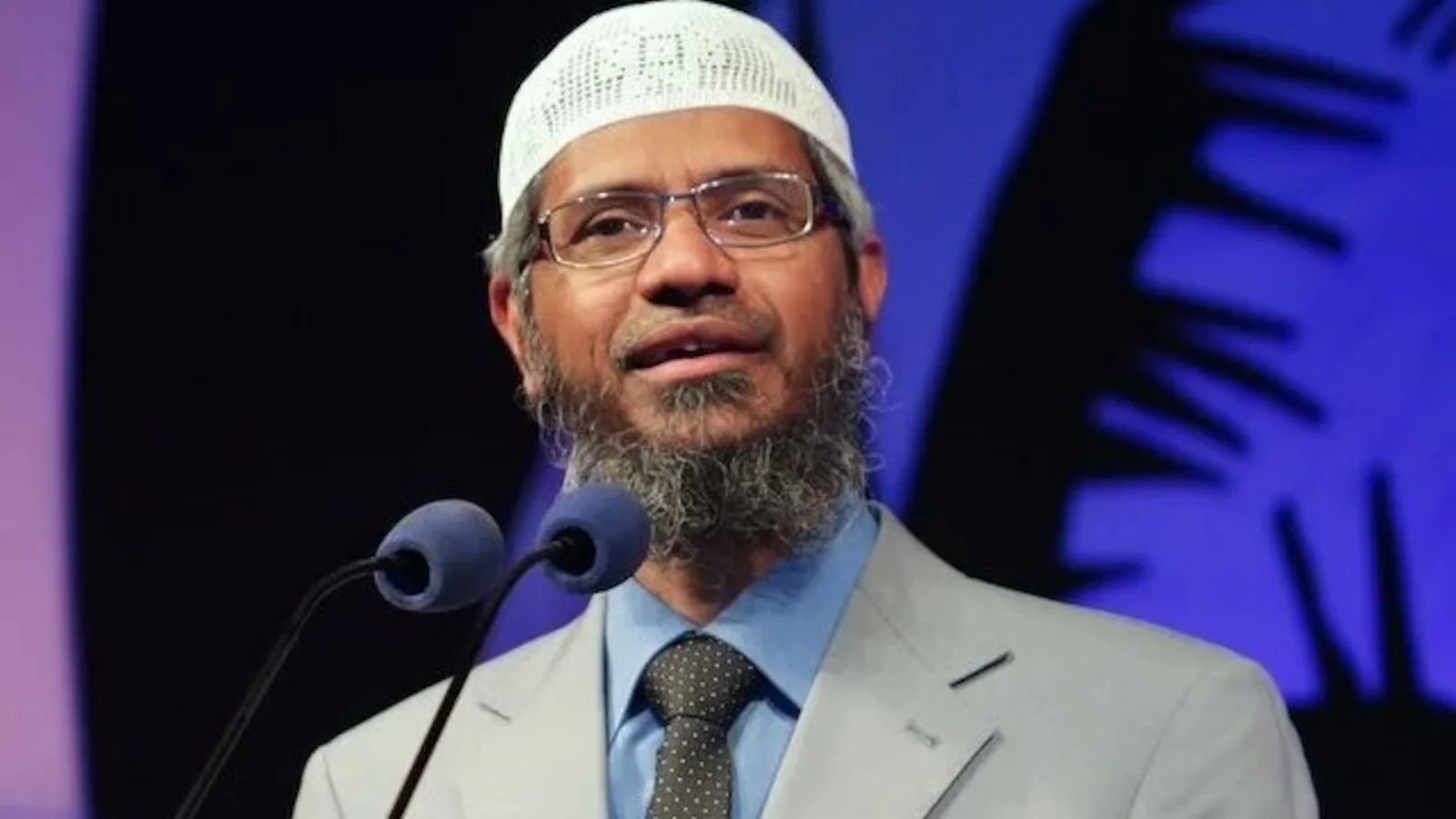
Controversial Indian Islamic preacher Zakir Naik has ignited a firestorm of criticism from activists, academics, and global observers after publicly justifying the Taliban’s restrictive policies on female education in Afghanistan. In a widely circulated video, the preacher attempted to reframe the systematic exclusion of girls from schools as a mere administrative delay, drawing sharp rebukes from high-profile figures across South Asia.
Naik claimed in the viral clip that media reports regarding the state of Afghan education are misleading. He characterized the Taliban’s indefinite ban on secondary and higher education for girls as a temporary measure necessitated by a “shortage of female teachers” and a lack of secure environments. According to Naik, there is “no problem at all” if education is paused until appropriate conditions are established. He further alleged that women in Afghanistan are continuing their academic pursuits in specialized fields like Islamic studies and Sharia, suggesting that the international narrative regarding the gender-based crisis is factually incorrect.
“Deeply Troubling”: A Chorus of Condemnation
The remarks have drawn swift condemnation, most notably from Ziauddin Yousafzai, the father of Pakistani Nobel laureate and education activist Malala Yousafzai. Taking to social media, Yousafzai described the preacher’s rationalization as “deeply troubling and disappointing.”
“Presenting an indefinite ban as a mere ‘postponement’… is not a credible defence,” Yousafzai noted, adding that such rhetoric risks providing religious legitimacy to what he termed “gender apartheid.” He argued that by failing to explain how the Taliban might realistically address the shortage of female educators, Naik is effectively emboldening an extremist regime to continue its systemic oppression of women.
The criticism was echoed by Mariam Solaimankhil, an exiled Afghan Member of Parliament, who highlighted the irony in Naik’s argument. She pointed out that the Taliban’s own decrees have effectively barred women from employment, including the teaching profession. “According to Zakir Naik, Afghan girls aren’t banned from education. They’re just waiting for female teachers. The same female teachers the Taliban banned from working? Brilliant logic, Doctor!” she remarked, accusing the preacher of allowing his bias to obscure basic reasoning.
Academic circles have also joined the fray. Indian historian Dr. Ruchika Sharma labeled such religious figures as “deeply immoral,” questioning how anyone could use their influence to minimize the severity of one of the world’s most blatant human rights violations.
The Reality on the Ground
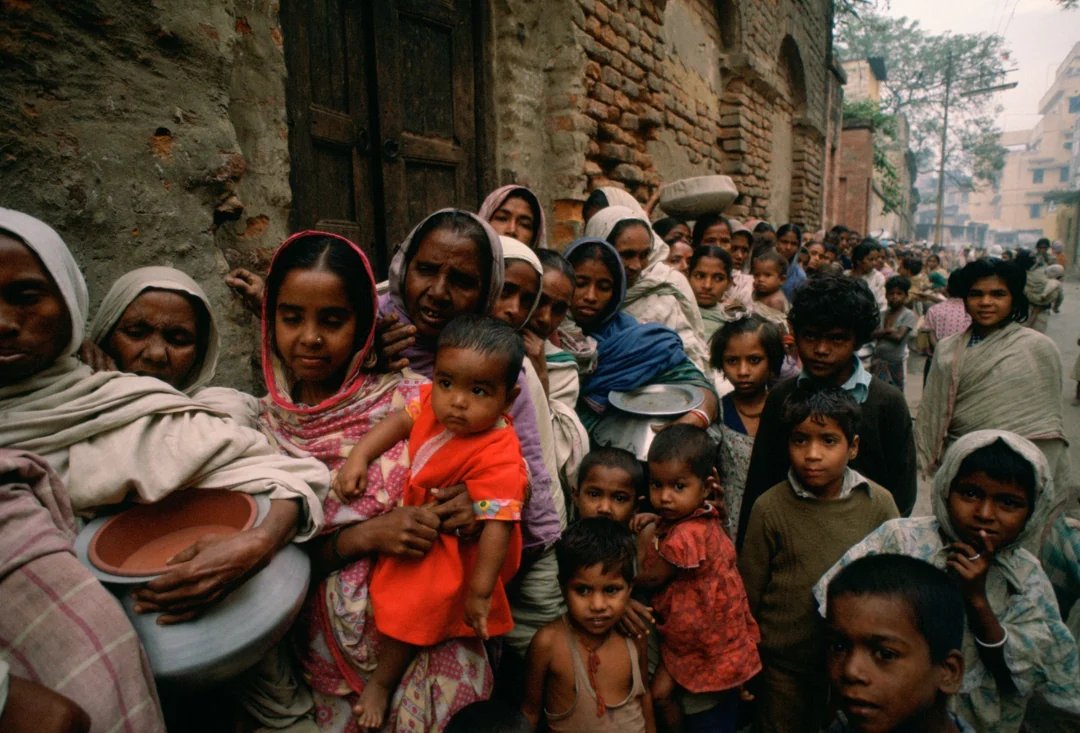
The discourse surrounding Naik’s comments stands in stark contrast to the data provided by international organizations. According to UNICEF, at least 2.6 million Afghan girls have been deprived of secondary education since the Taliban seized power in 2021. Afghanistan remains the only nation globally that explicitly prohibits girls and women from pursuing education beyond the primary level. UNICEF Executive Director Catherine Russell recently warned that five years of lost schooling represents a “defining period” for an entire generation of Afghan girls, with potentially irreversible consequences for the nation’s future.
Naik, who fled India in 2016 amidst investigations into his alleged role in radicalizing youth—a move accelerated after his speeches were linked to attackers in the 2016 Dhaka cafe siege—has resided in Malaysia since 2017. As he continues to court controversy from abroad, the fierce response to his latest comments underscores the growing global intolerance for attempts to provide religious cover for the systematic disenfranchisement of women.
Disclaimer: This content is auto-generated for informational purposes only.
Source: Read Original News