








India’s Poverty Reduction Milestone: Half a Billion Lifted Out of Hardship
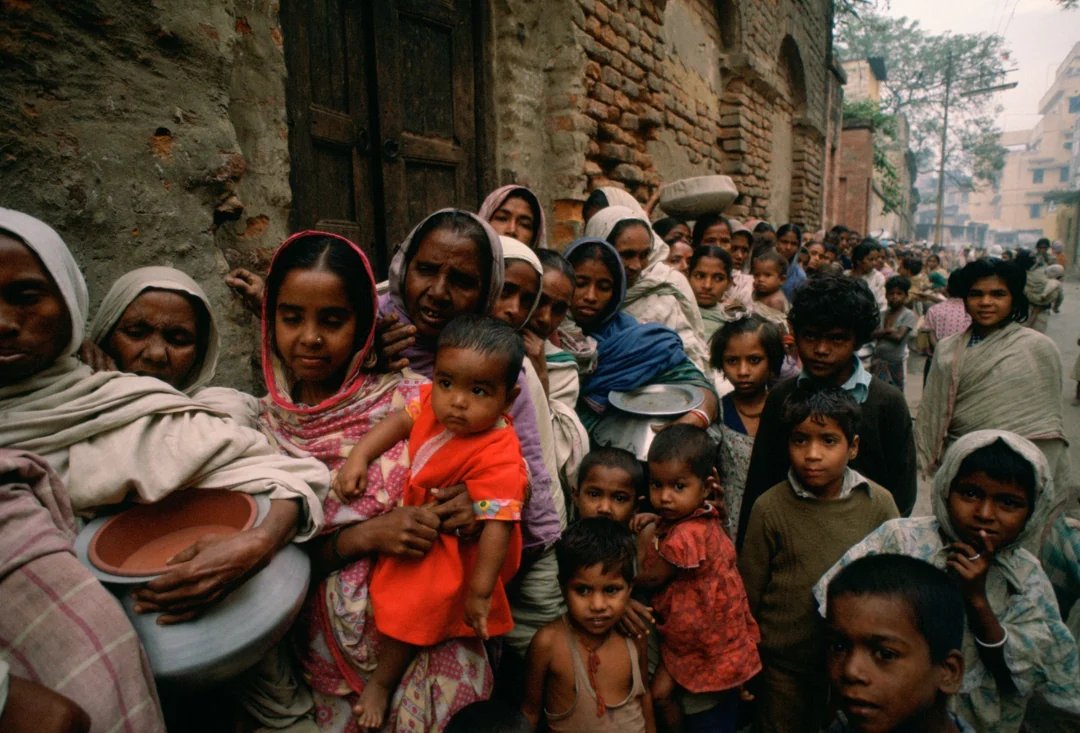
India has achieved a historic socio-economic milestone, with approximately 496 million people moving out of poverty between 2011 and 2023. This massive shift represents one of the most significant declines in poverty globally. According to a new report from the World Bank, the proportion of the population living below the lower-middle-income poverty line of $4.20 a day plummeted from 57.7% to 16.1% over the twelve-year period.
The progress in tackling extreme poverty—defined by the bank as living on less than $3 a day—has been even more dramatic, falling from 27.1% to just 2.6%. Experts attribute this success to a combination of sustained consumption growth, a surge in job creation, and robust government social welfare schemes, such as widespread food subsidies.
Employment Growth and the Inequality Gap
The labor market has mirrored this broader economic transition. Between 2017 and 2023, India added roughly 134 million new jobs to its economy, with women playing an increasingly vital role in this workforce expansion. However, despite these impressive quantitative gains, the quality of economic growth remains a subject of intense debate.
World Bank economists, led by Ayago Wambile, have cautioned that while poverty levels are falling, income inequality continues to cast a long shadow. The data reveals that wage disparities remain stark; by 2023, the top 10% of wage earners were making 13 times more than their counterparts in the bottom 10%. This wide gap suggests that while millions have moved above the poverty line, the fruits of India’s rapid economic expansion are not being distributed with parity.
Challenges to Future Growth
The optimism surrounding India’s economic trajectory—marked by the World Bank’s recent upward revision of the country’s growth forecast to 7.1%—is tempered by emerging structural hurdles. Chief among these is a concerning uptick in youth unemployment, which climbed from 14.6% to 15.9% during the April-June period year-on-year. This demographic trend has sparked student-led protests across the country, presenting a significant political challenge for the administration of Prime Minister Narendra Modi.
Furthermore, geographic concentration remains a hurdle for future progress. The report highlights that the remaining population living in poverty is increasingly clustered in a “contiguous belt” that spans from Uttar Pradesh in the north to West Bengal in the east. This specific region is home to approximately 57% of India’s remaining impoverished citizens.
The Road Ahead
Looking forward, the World Bank suggests that the era of rapid, broad-based poverty reduction may be entering a more gradual phase. Estimates indicate that the percentage of the population living below $4.20 a day will likely dip to 12.1% by 2028. To sustain this momentum, the report emphasizes that national policy must pivot toward fostering productive employment specifically within these lagging states.
Ultimately, while India’s feat of lifting half a billion people out of poverty is a testament to its economic resilience and industrial strength, the task of building an equitable society—one that provides quality, high-wage jobs for its youth and marginalized regions—remains the next great frontier for the world’s fastest-growing major economy.
Disclaimer: This content is auto-generated for informational purposes only.
Source: Read Original News