








Susanville Indian Rancheria-Owned Firms Seek Immediate Relief in SBA Contracting Battle
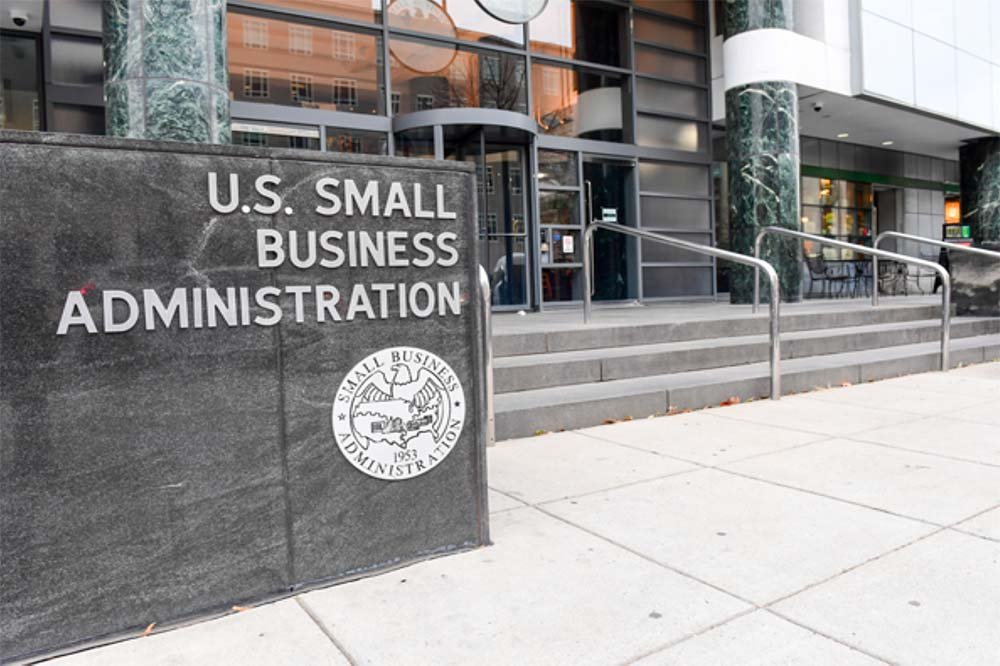
Businesses owned by the Susanville Indian Rancheria have escalated their legal fight against the Small Business Administration (SBA), filing an urgent motion on October 30 to lift federal contracting suspensions. The plaintiffs, led by ATI Government Solutions, warn that the agency’s ongoing restrictions have pushed the companies to the brink of permanent closure.
The filing in the U.S. District Court for the District of Columbia seeks a temporary restraining order and a preliminary injunction to halt the SBA’s enforcement actions. The move follows an initial lawsuit filed on October 22, which claims that the suspensions have already stripped the tribal businesses of nearly $130 million in awarded contracts. According to the latest court documents, the financial fallout has been severe, forcing the company to lay off almost its entire workforce of 67 employees.
Legal Challenges to SBA Transparency
At the heart of the dispute is a request for an evidentiary hearing that would compel SBA officials to testify under oath regarding the justification for the suspensions. Attorneys for the tribal companies argue that during a July meeting, the agency failed to produce any documented evidence or specific concerns to support the restrictive measures.
The suspension saga began in October 2025 following the release of a video by activist James O’Keefe, which alleged that ATI was improperly channeling federal contracts to larger, non-tribal entities. ATI has consistently denied these allegations, characterizing the government’s reaction as an overreach. While the SBA did lift a specific suspension related to the 8(a) Business Development program following an administrative appeal, it simultaneously extended a broader contracting ban for another six months on October 21.
Impact on Tribal Economic Sovereignty
For the Susanville Indian Rancheria, the stakes extend far beyond corporate balance sheets. These business entities were established as vital vehicles for economic development, designed to provide tribal members with specialized job training, professional mentorship, and employment opportunities.
“Without an order lifting the suspensions, the plaintiff companies face an imminent risk that they will never recover or that they will be forced to close their doors permanently,” the plaintiffs’ legal team stated in the filing. The tribe argues that the SBA’s continued exclusion of their firms threatens an essential revenue stream that funds tribal services and long-term infrastructure projects.
Tech Infrastructure and Federal Contracting
The case highlights the complex intersection of federal oversight and the administrative technology platforms that manage government spending. In an era where federal agencies are increasingly utilizing AI-driven auditing tools and data-monitoring systems to track contract performance, the burden of proof for “improper funneling” has become a central point of contention in procurement law.
As the federal government continues to modernize its procurement infrastructure, small businesses and tribal entities are calling for greater transparency in how these data-driven decisions are made. The SBA, maintaining its standard policy, has declined to comment on the ongoing litigation.
The court’s decision on the request for a temporary restraining order is expected to be a pivotal moment for the plaintiffs, who argue that every day of delay further cements the irreparable damage done to their business operations. As the Northern California tribe awaits a ruling, the case remains a focal point for observers tracking the intersection of federal policy, tribal sovereignty, and the future of small business contracting.
Disclaimer: This content is auto-generated for informational purposes only.
Source: Read Original News