








The global movement to replace single-use plastic straws with eco-friendly alternatives has long been viewed as a straightforward win for the environment. However, a recent government-commissioned life-cycle analysis conducted in South Korea suggests the reality is far more complex, revealing that paper and bio-based alternatives may carry a higher environmental toll than the conventional plastic products they were designed to replace.
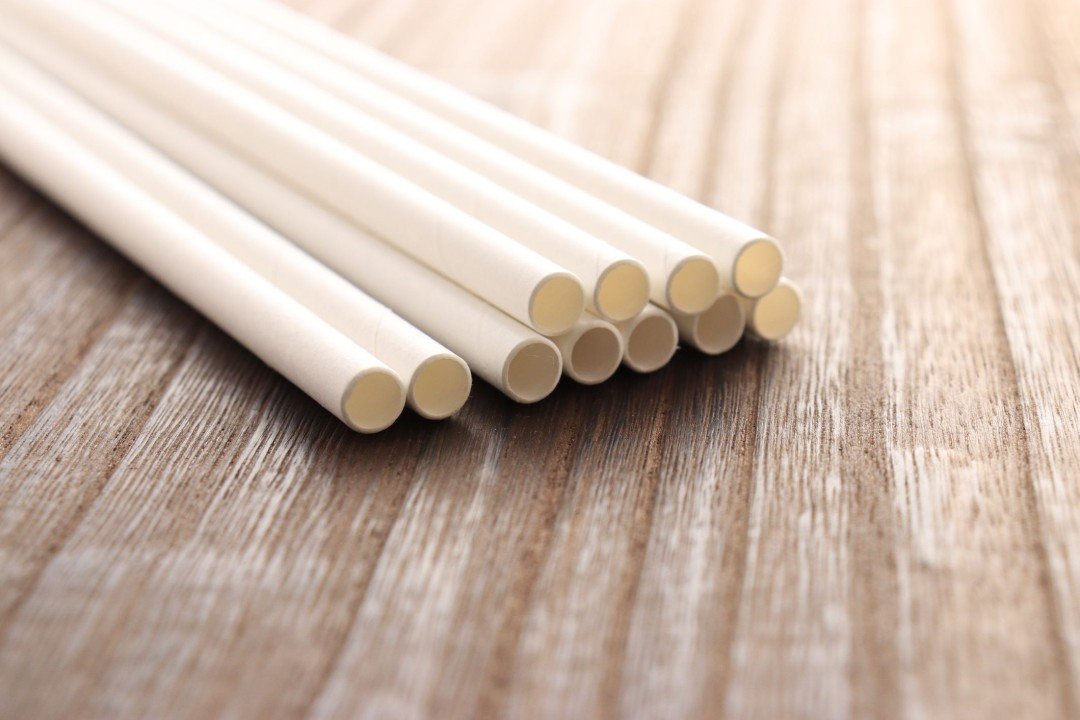
The study, which evaluated the life-cycle environmental impact of various straw types, found that paper straws perform significantly worse than traditional plastic across several critical metrics. According to the findings, paper straws scored more than six times higher than plastic straws in terms of cancer-related environmental impact. Furthermore, they demonstrated roughly double the impact regarding acidification—a measure of how manufacturing processes contribute to ecological damage.
Even more striking were the results for bio-based polyethylene (Bio-PE) straws. The research indicated that these alternatives fared the worst of all, exhibiting more than 16 times the carcinogenic impact of conventional plastic. When evaluating the straws across 16 different categories, researchers found that conventional plastic straws actually maintained the lowest environmental impact in 10 of those categories, including climate change and human toxicity. Conversely, Bio-PE straws topped 10 categories for environmental harm, while paper and other biodegradable plastics led in the remaining areas of concern.
It is important to note that these figures, as highlighted by Packaging Insights, measure potential emission-based risks across the entire manufacturing and disposal chain. The data reflects the environmental footprint of production and waste management rather than posing a direct health risk to consumers during everyday use. Nevertheless, the findings have sparked a conversation about the unintended consequences of replacing one disposable item with another without fully accounting for the resource intensity of the manufacturing process.
The research team emphasized that regardless of material, all disposable straws present significant challenges for recycling infrastructure. Because they are often small, thin, and contaminated with food residue, they are notoriously difficult to process, leading to the conclusion that the industry must shift its focus. Researchers are now urging cafes, restaurants, and other hospitality venues to move away from the practice of providing straws by default. Instead, they advocate for a “request-only” model, which would inherently lower total consumption levels regardless of the material used.
The study has prompted a shift in perspective among South Korean policymakers. Rather than pursuing an outright ban on specific materials, some lawmakers are now calling for broader systemic changes. There is a growing push for a governmental pivot toward substantive reduction policies that aim to cut the usage of all disposable products entirely.
This debate arrives as many nations, including those in the European Union and various regions in the United States, have already moved forward with bans on single-use plastic straws. While those bans were intended to curb ocean pollution and reduce the reliance on fossil-fuel-based products, the South Korean data serves as a cautionary tale. It underscores the necessity of conducting comprehensive life-cycle assessments before transitioning to “green” alternatives. As the global community continues to grapple with the waste crisis, the focus appears to be shifting from finding a “better” material to questioning the necessity of single-use convenience altogether. The consensus among the researchers is clear: the most sustainable straw is the one that is never manufactured in the first place.
Disclaimer: This content is auto-generated for informational purposes only.
Source: Read Original News