









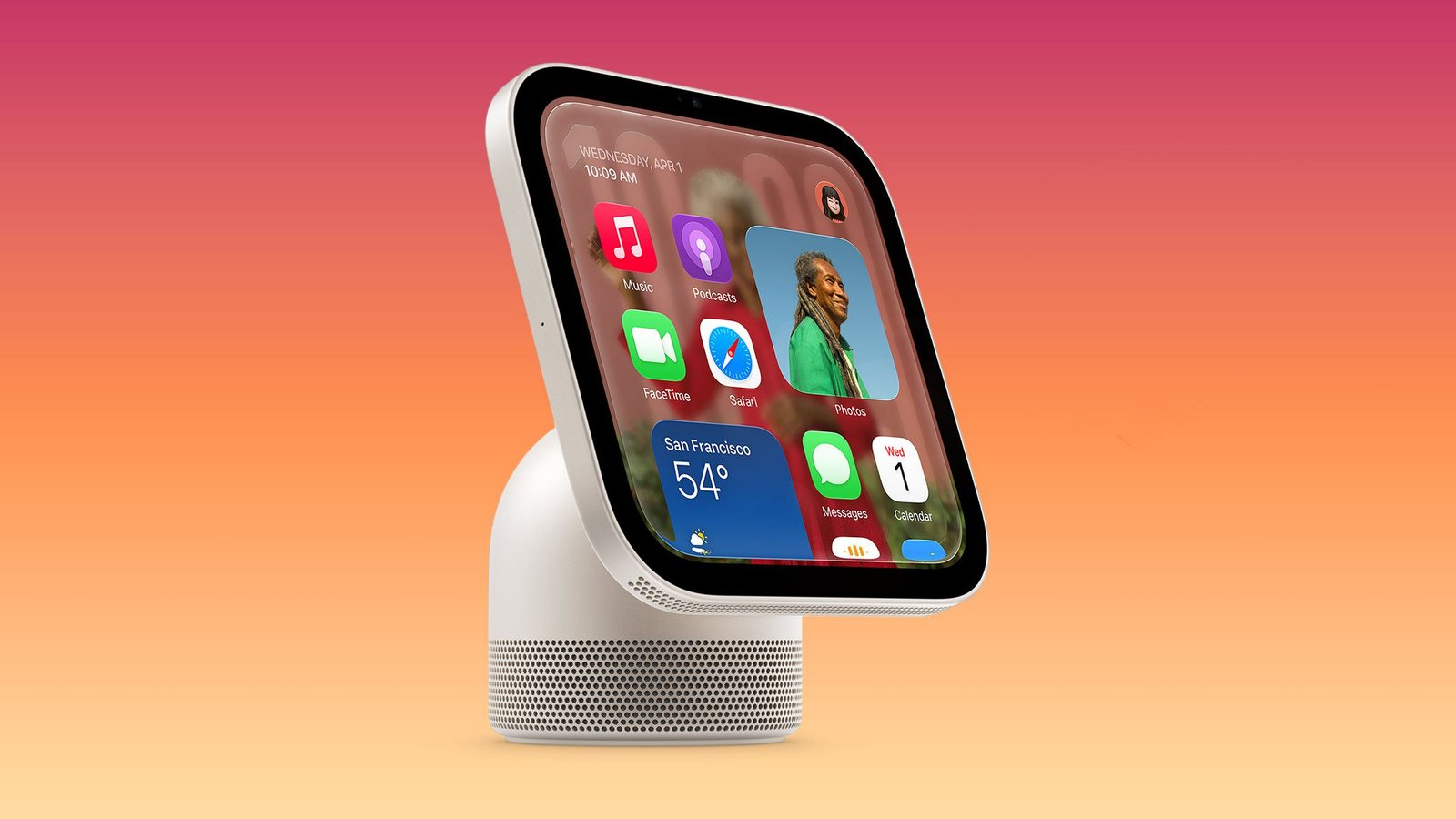
Apple has officially released HomeView Software 27.2, the operating system powering the highly anticipated HomeView device. With the hardware scheduled for a market debut on November 13, this software update provides a comprehensive look at the interface, customization capabilities, and underlying architectural framework of the new smart display. Priced at $299, the HomeView represents a strategic expansion of the ecosystem, designed to serve as a centralized hub for home management and interactive content.
Customization and Visual Interface
HomeView Software 27.2 emphasizes a highly personalized user experience, mirroring the focus on aesthetic flexibility found in modern mobile platforms. Users have access to 20 default wallpapers that utilize varied color palettes to suit different room decors. Beyond the stock selections, the system supports custom photo uploads, allowing the device to function as a dynamic digital frame.
A significant portion of the software update focuses on the Lock Screen and Home Screen interaction. The face editing interface, recently documented by industry analysts through virtualized testing of the software, allows users to modify clock styles, complications, and information density. This granular control ensures that the HomeView remains functional as both an information radiator for smart home data and a personalized decorative object.
Dynamic Display and System Modes
Consistency with existing Apple device behavior is a priority for the HomeView. The software includes robust support for both Light and Dark modes. Crucially, the system utilizes environmental sensing to toggle between these modes automatically based on the time of day, reducing glare during nighttime hours and maintaining visibility during peak daylight.
The initial startup sequence reaffirms the brand identity associated with the device line, greeting users with the familiar “Hello” text. Upon booting, the setup animations introduce users to the Control Center, which has been optimized for the HomeView form factor. This central repository for toggles and status indicators allows users to manage connected home devices, audio playback, and network settings without navigating away from the primary interface.
Architectural Shifts: BreadBoard and CupBoard
One of the most notable technical revelations within version 27.2 is the departure from traditional mobile architecture. While iOS relies on the SpringBoard process for managing the user interface and home screen, the HomeView utilizes an entirely new system called BreadBoard. This purpose-built launcher is optimized for a stationary, wall-mounted or desktop-based display, focusing on efficient resource allocation for a device that is meant to remain active indefinitely.
Similarly, the Control Center UI is powered by a process identified as CupBoard. By decoupling these elements from standard mobile frameworks, Apple appears to be aiming for a more stable and responsive performance profile for the HomeView. This architectural separation suggests that the device operates under a specialized variant of the ecosystem rather than a direct port of tablet software.
Enhanced Interactions and Character Integration
The software update highlights a commitment to character-based engagement. The HomeView includes specialized animations for the Snoopy watch face, which utilizes the device’s display capabilities to offer varied interactions. These animations serve to make the device feel more responsive and engaging during idle periods. The inclusion of such features indicates that the HomeView is intended to occupy a role in the household that transcends mere utility, functioning instead as a personality-driven domestic companion.
Strategic Delays and Development History
Technical analysis of the software package has uncovered hidden references to “HomeView Software 26,” suggesting that the product was originally intended for a launch last year. Observers note that the delay was likely necessitated by the need to refine and integrate advanced Siri AI capabilities. The HomeView is expected to be a primary vehicle for these improved natural language processing features, turning the device into a sophisticated household assistant capable of complex reasoning and context-aware home automation.
Further investigation into the software code revealed that development versions were tested on sixth-generation iPad mini hardware. This methodology allowed developers to iterate on the interface design and ensure that the “BreadBoard” architecture functioned seamlessly before the final proprietary hardware became available.
Market Impact and Future Outlook
The arrival of the HomeView marks a shift in the smart home landscape, positioning a dedicated $299 display as a direct competitor to existing wall-mounted controllers. By launching simultaneously with the next-generation Apple TV 4K on November 13, the company is reinforcing a cohesive living room and home ecosystem.
For early adopters, the availability of Software 27.2 provides a stable foundation for the device’s launch. The emphasis on high-quality visual customization and a dedicated, lightweight OS suggests that Apple is prioritizing long-term reliability and ease of use. As the device reaches consumers, the focus will likely shift to how effectively the hardware handles AI-driven requests and integrates with the broader ecosystem of connected appliances. The HomeView enters the market not just as a screen, but as a specialized appliance built on a refined, custom-tailored software foundation.
Disclaimer: This content is auto-generated for informational purposes only.
Source: Read Original News