








The landscape of physical music media is undergoing a surprising transformation. While vinyl records have dominated the nostalgic narrative for over a decade, a new report from Luminate indicates that Compact Discs (CDs) are experiencing a significant resurgence. Sales of the format rose by 16 percent in the first half of 2026, totaling approximately 16.3 million units in the United States. This pivot toward the once-obsolete optical disc highlights a shift in consumer behavior, driven by a combination of high-demand collectible releases from the K-pop industry and a broader curiosity among younger listeners.
The Core Advantages of the Compact Disc
For many music enthusiasts, the primary appeal of the CD lies in ownership and reliability. Unlike music streaming platforms, where licensing agreements can result in the sudden disappearance of albums or entire artist catalogs, a physical CD represents a permanent acquisition. Once a disc is purchased, the listener retains access to the media indefinitely, independent of internet connectivity, subscription fees, or changing corporate algorithms.
From a financial perspective, CDs remain one of the most cost-effective ways to build a physical library. New releases are generally priced lower than their vinyl counterparts, and the secondary market offers a vast reservoir of affordable titles. Furthermore, the format provides an uncompromising audio experience. CDs offer uncompressed, 16-bit/44.1kHz audio quality, which provides a level of fidelity that satisfies audiophiles while avoiding the compression artifacts often found in lower-bitrate streaming signals. For those interested in digital preservation, CDs serve as the ideal source material for high-quality “ripping,” allowing users to create personal, lossless digital archives that they own and control completely.
The Value of Intentional Engagement
Beyond the technical specifications, there is a psychological component to the CD revival. In an era defined by passive, algorithmic background noise, the act of physically handling a disc and navigating a booklet encourages a more deliberate listening experience. CD cases typically include comprehensive liner notes, lyrics, and production credits that provide deep context regarding the artists, session musicians, and recording environments.
This tangible aspect aligns with the broader cultural movement toward “slow media.” Music critics and enthusiasts alike have noted that the format facilitates “deep listening” because it is a disconnected experience. Using a CD player does not require a login, does not involve intrusive data tracking, and removes the persistent notifications and distractions inherent in smartphone-based media consumption. By curating a physical library, listeners move from being consumers of a feed to being curators of an archive.
The Hardware Accessibility Hurdle
The most significant obstacle for modern CD adopters is the lack of playback hardware. The ubiquity of optical disc drives has plummeted over the last decade, with most modern laptop manufacturers and automotive companies removing internal CD drives entirely. This creates a friction point that can discourage casual listeners from engaging with the format.
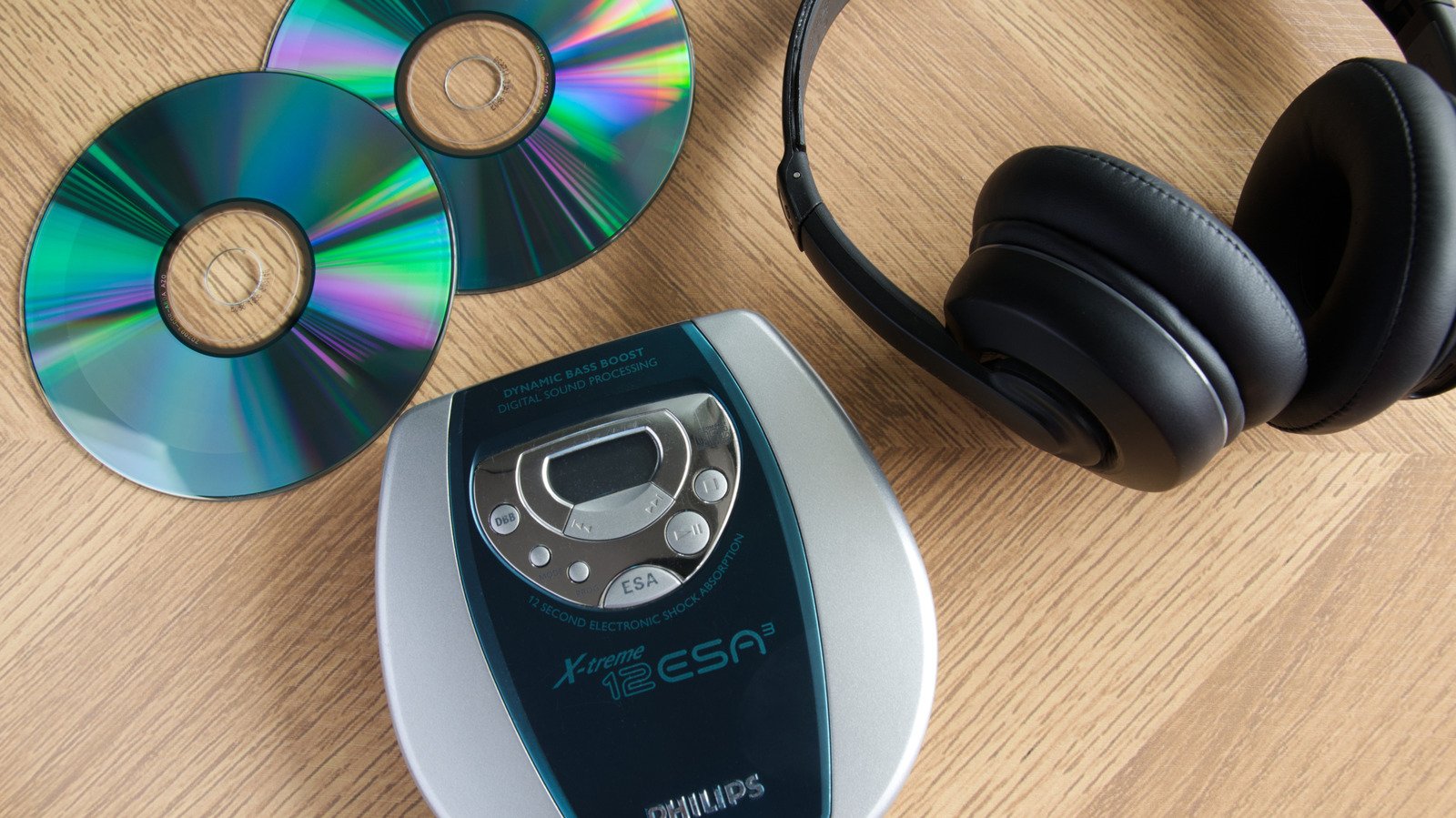
To bridge this gap, consumers must invest in external hardware. Fortunately, the market for playback devices remains active, even if it has moved away from big-box retail shelves. External USB-connected disc drives are widely available, allowing users to connect their CD collection directly to modern computing systems for playback or digitizing. For those seeking a dedicated listening setup, there are various specialized CD players available that bridge the gap between vintage and modern technology. Many contemporary units now feature Bluetooth connectivity, allowing users to stream audio from their discs to modern wireless speakers or headphones, effectively merging the high-fidelity of the CD with the convenience of modern audio ecosystems.
Preservation and Future-Proofing
As the collection grows, owners must consider the physical limitations of the medium. CDs are susceptible to surface scratches and the phenomenon known as “disc rot,” where the reflective aluminum layer oxidizes over time. This makes the storage and handling of discs a key responsibility for the owner.
However, this maintenance requirement is part of what makes the format compelling for collectors. Taking care of physical media turns music collection into a hobby that requires active participation. For the tech-savvy, this often leads to the development of personal home servers. By ripping CDs to a home network-attached storage (NAS) system, listeners can achieve the best of both worlds: the pristine quality of the physical disc and the accessibility of a digital-first lifestyle.
As digital fatigue continues to grow, the CD stands as a bridge between the physical and the digital. It offers a tangible connection to the music industry’s past while providing a high-quality alternative to the limitations of modern streaming. Whether one is driven by the desire for archival quality, the joy of collecting, or the simple need to disconnect from the digital noise, the Compact Disc has proven that its time is far from over.
Disclaimer: This content is auto-generated for informational purposes only.
Source: Read Original News