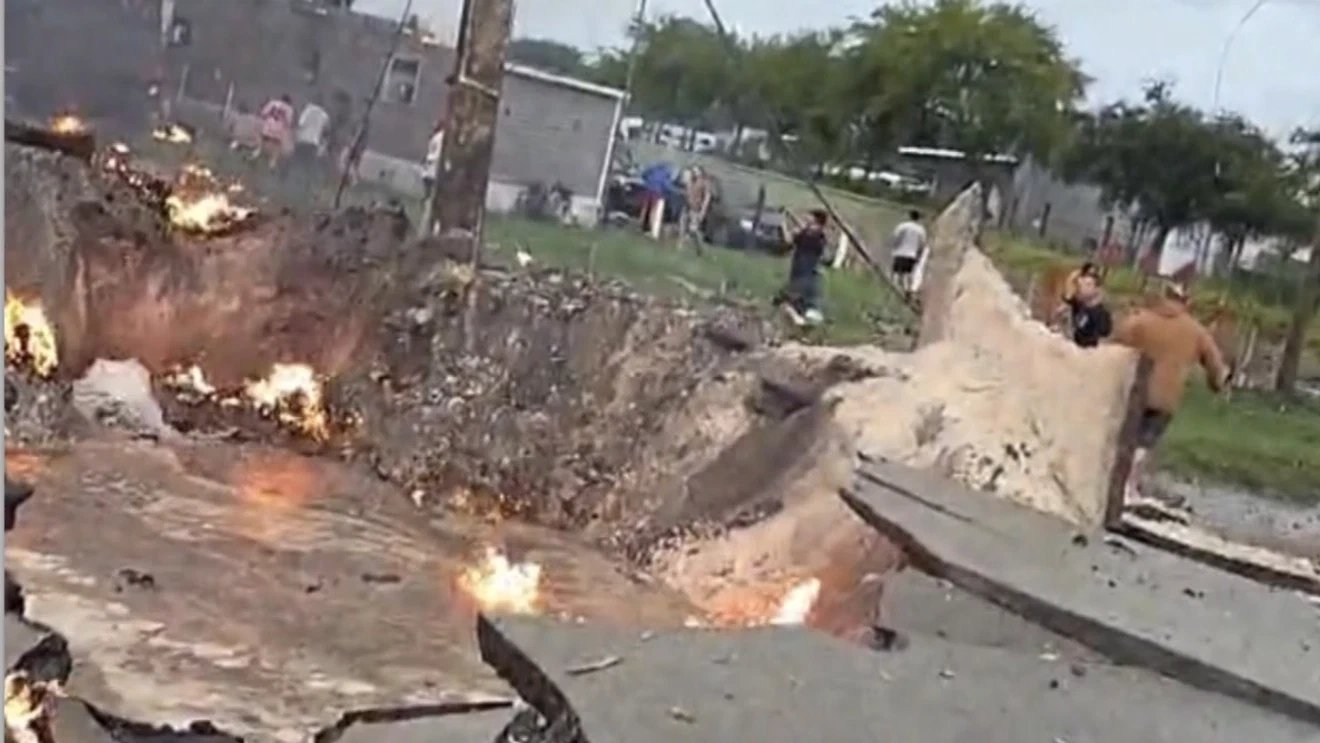






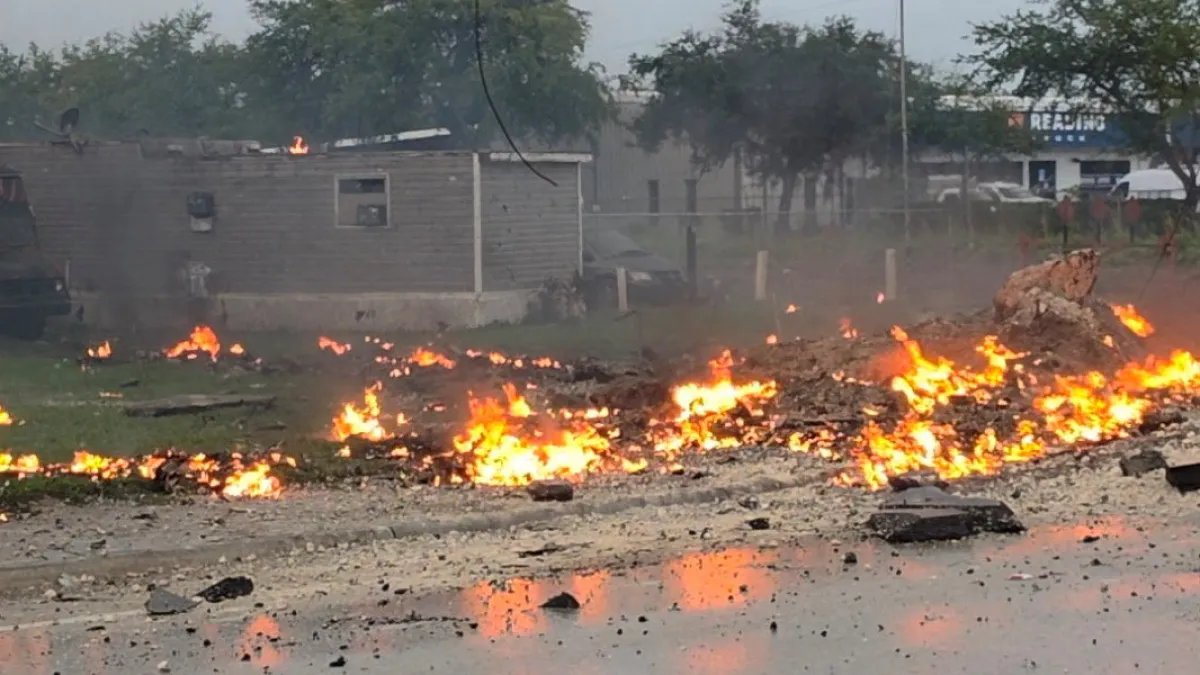
A devastating plane crash in South Florida has claimed the lives of nine people after a Learjet 60 plummeted into a residential neighborhood on Sunday. While the wreckage left a massive crater in the earth, officials confirmed that, miraculously, no one on the ground was injured.
The private jet was traveling from Austin, Texas, to the Bahamas when the flight met a sudden and violent end. In the immediate aftermath, Florida Governor Ron DeSantis toured the debris field, describing the scene as “cataclysmic” and noting that the aircraft impacted the ground with such force—at a sharp, high-speed angle—that it resembled a descending missile.
## Cockpit Recordings and Technical Analysis
The investigation into the cause of the disaster is already underway, with the Federal Aviation Administration (FAA) and the National Transportation Safety Board (NTSB) leading the effort. Evidence currently being scrutinized includes chilling audio retrieved from LiveATC.net, which captured the final moments inside the cockpit.
According to the recordings, the pilot initially reported “manageable” icing issues, a common but dangerous hazard for aircraft at high altitudes. However, the situation deteriorated rapidly, with the pilot calling out a severe loss of altitude. The final transmission from the crew was a desperate acknowledgment of their fate: “We’re going to crash into the ground.”
## The Role of Modern Tech in Incident Investigation
In the digital age, air crash investigations have been transformed by the availability of crowdsourced data and real-time connectivity. While the NTSB focuses on traditional black box flight recorders, modern investigators are increasingly relying on sophisticated digital footprints to reconstruct flight paths.
Video footage of the crash, captured by doorbell cameras and bystander smartphones, has already flooded social media platforms. These clips are being cross-referenced with flight tracking software and cloud-based data logs to help establish a timeline of the aircraft’s failure. Furthermore, tech-forward platforms that aggregate air traffic control data are becoming essential tools for the public and the media to understand these complex events. Experts suggest that the speed at which this digital evidence is processed—aided by AI-powered video analysis and flight-path reconstruction software—is helping investigators pin down the precise moment the flight path deviated, long before traditional wreckage analysis is complete.
## Governor’s Briefing and Safety Concerns
US Transportation Secretary Sean Duffy took to social media to label the incident a “horrific tragedy,” promising full federal cooperation to ensure a thorough inquiry. Despite the intensity of the explosion, which saw flames engulfing parts of the pavement near residential homes, Governor DeSantis was relieved to report that the residential neighborhood remained largely intact.
“It looked like a missile going down,” DeSantis said during his briefing. The Governor’s office has emphasized the importance of ensuring that such incidents do not threaten the safety of Florida’s densely populated communities.
As the NTSB prepares its final report, the focus remains on the specific mechanical or environmental failures that led to the Learjet’s rapid decline. While the identity of those on board remains protected as the investigation proceeds, the aviation industry is watching closely, particularly regarding the potential for renewed scrutiny on flight safety protocols for private business jets operating in unpredictable weather conditions. For now, the neighborhood of Greenacres continues to recover from the shock of a tragedy that, had it landed just a few meters to the left or right, could have resulted in a much higher death toll.
Disclaimer: This content is auto-generated for informational purposes only.
Source: Read Original News