





NEW DELHI — The halls of the Indian Olympic Association (IOA) will remain quiet on November 3, as the highly anticipated election for the Athletes’ Commission has been rendered unnecessary. In a decisive turn of events on Monday, Electoral Officer Sanjay Kumar Srivastava confirmed that all 10 candidates vying for the five male and five female positions have been declared elected unopposed.
The announcement brings a swift and seamless conclusion to what many expected to be a competitive selection process. With the candidate count perfectly matching the available seats, the IOA confirmed that the scheduled polling process will no longer proceed, marking a shift toward a collaborative governing body rather than a contested one.
The Final Lineup: A Who’s Who of Indian Sporting Royalty
The final composition of the Commission reads like a roster for an Olympic dream team. The caliber of talent represented in this unopposed slate ensures that the voices of the nation’s premier athletes will be heard at the highest levels of sporting administration.
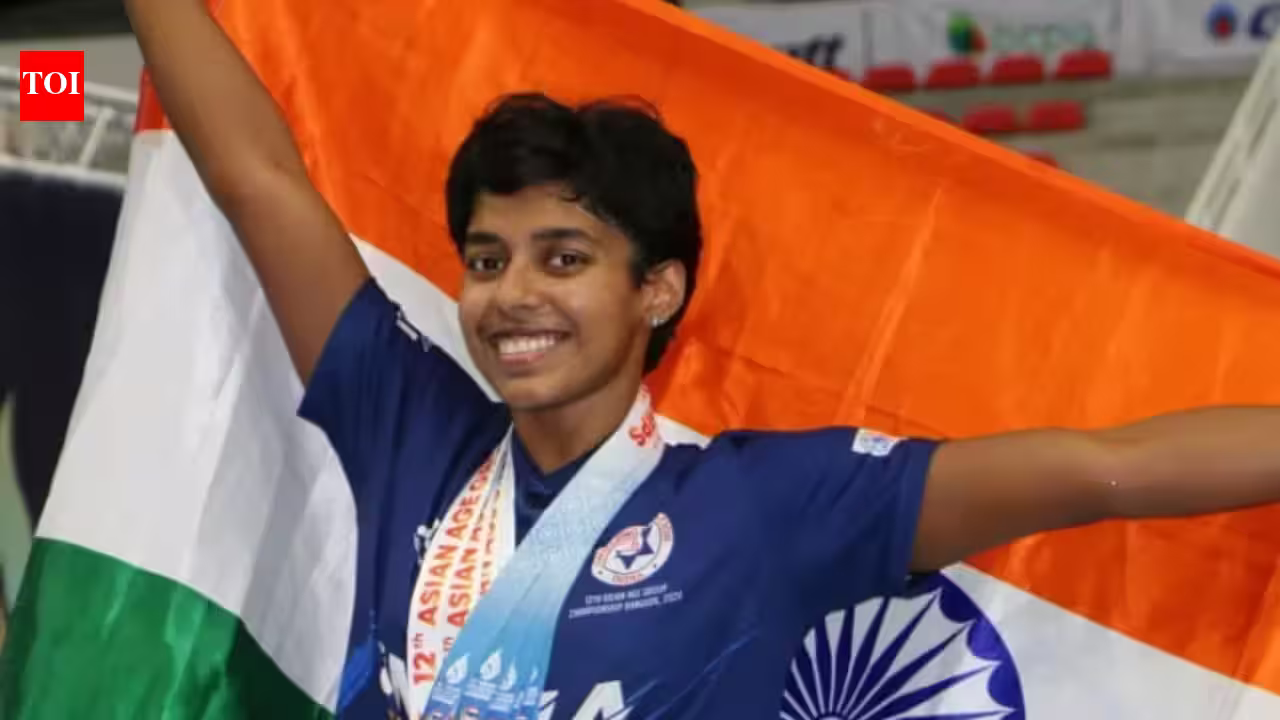
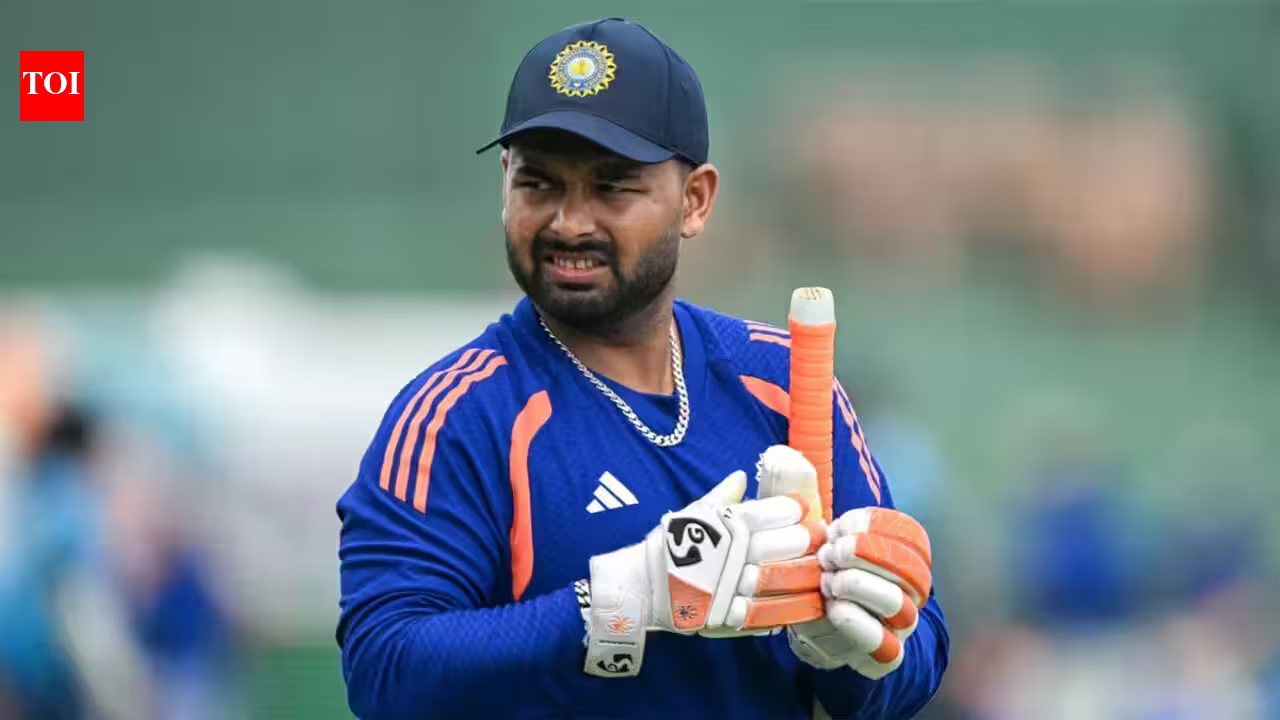
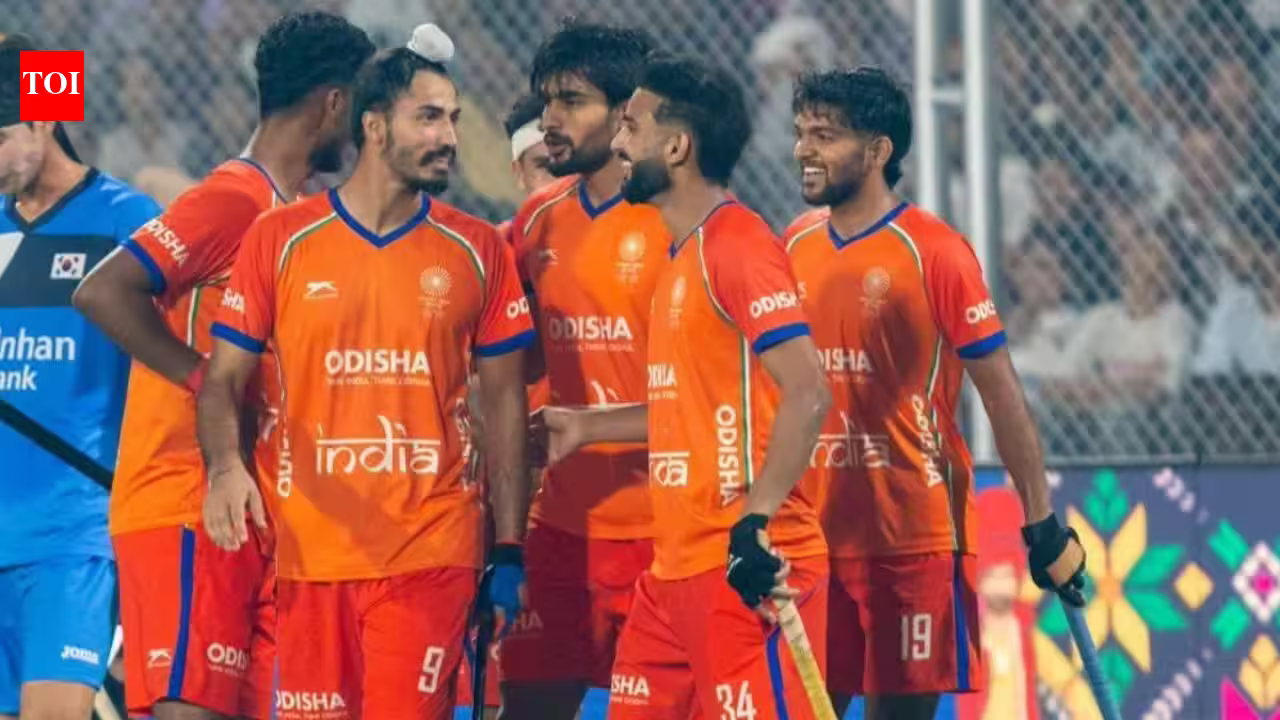
In the male category, the “medalist” contingent features shooter Swapnil Suresh Kusale and rower Manjeet Singh. Joining them under the “Olympian” category are the pillars of Indian sport: national hockey captain Harmanpreet Singh, ace swimmer Sajan Prakash, and elite shot-putter Tajinderpal Singh Toor.
The female contingent is equally formidable. Olympic stalwarts PV Sindhu, Mirabai Chanu, and archery veteran Laishram Bombayla Devi have secured their positions in the Olympian category. Rounding out the group are hockey sensation Salima Tete and pioneering fencer Bhavani Devi, who claim the two spots designated for the medalist category.
The Shifts That Led to Unanimous Consensus
The path to this unopposed conclusion was paved by a series of strategic withdrawals that fundamentally altered the electoral landscape. When the initial draft of nominations was released on October 22, the field was crowded with 12 contenders, setting the stage for a hard-fought contest across various disciplines.
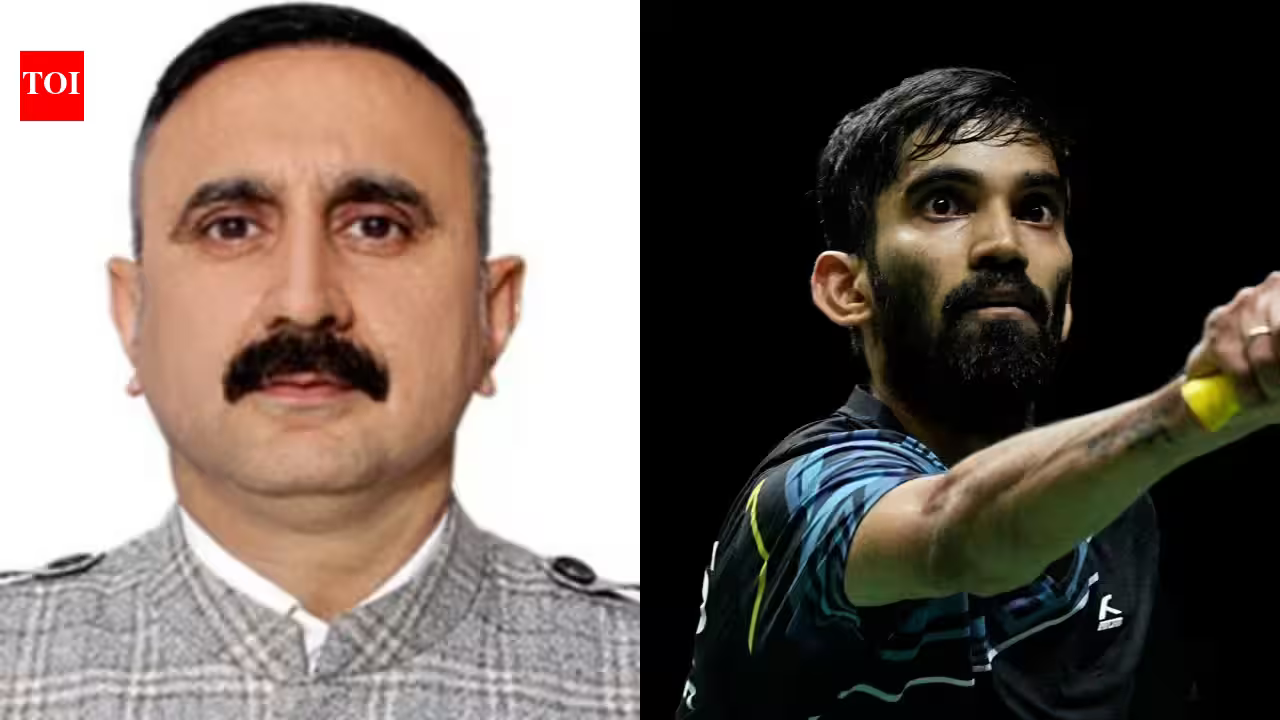
However, the political landscape shifted dramatically when badminton star Kidambi Srikanth and former track-and-field standout Sudha Singh opted to withdraw their nominations. Their departure removed the necessity for a vote, streamlining the process and ensuring that the final list of 10 candidates faced no opposition.
Observers within the sporting fraternity have noted that this outcome reflects a desire for unity. By moving forward without a formal ballot, the IOA avoids the friction of a campaign period, allowing these ten athletes to shift their focus immediately to the responsibilities of the Commission.
A New Era for Athlete Representation
The finalized Commission represents nine distinct sports, ensuring a broad spectrum of interests is covered under the IOA umbrella. While hockey maintains a strong presence with two representatives—Harmanpreet Singh and Salima Tete—the diverse range of disciplines, from fencing and archery to rowing and shooting, suggests a comprehensive approach to advocacy.
This Commission is tasked with a critical mandate: serving as the primary bridge between the athletes and the IOA leadership. In an era where athlete welfare, training infrastructure, and long-term support systems are under constant scrutiny, the composition of this group is of vital importance. The presence of household names like PV Sindhu and Mirabai Chanu adds significant weight to the body’s influence, signaling that the Commission is intended to be more than a symbolic gesture—it is a platform for meaningful, high-level advocacy.
Looking Ahead: From Election to Action
With the electoral process officially closed, the focus now turns to the first meeting of the newly minted Commission. While the lack of a vote may have surprised some, it has arguably provided the IOA with a stable, consensus-driven starting point for the next administrative term.
The Electoral Officer’s revised notification serves as the formal closing statement on this election cycle. As these ten champions transition from the field of play to the boardroom, the expectations are high. The Indian sporting public, alongside the athletes themselves, will be watching closely to see how this group leverages its collective prestige to improve the conditions and career paths for the next generation of Indian Olympians.
The absence of an election on November 3 is not a sign of inactivity, but rather an indicator of a settled path forward. For the IOA, the mandate is clear: the Athletes’ Commission is now officially in place, and the hard work of representing the nation’s elite begins today.
Disclaimer: This content is auto-generated for informational purposes only.
Source: Read Original News