









A groundbreaking study published in the journal Nature Microbiology has uncovered a critical biological mechanism that may hold the key to coral survival in a warming ocean. Researchers have identified that Endozoicomonas, a genus of bacteria ubiquitous in coral microbiomes worldwide, acts as a biochemical ally by producing steroid hormones—including testosterone and progesterone—when local temperatures spike. This discovery sheds new light on the symbiotic relationship between corals and their microbial partners, suggesting that bacteria play a far more active role in host resilience than previously understood.
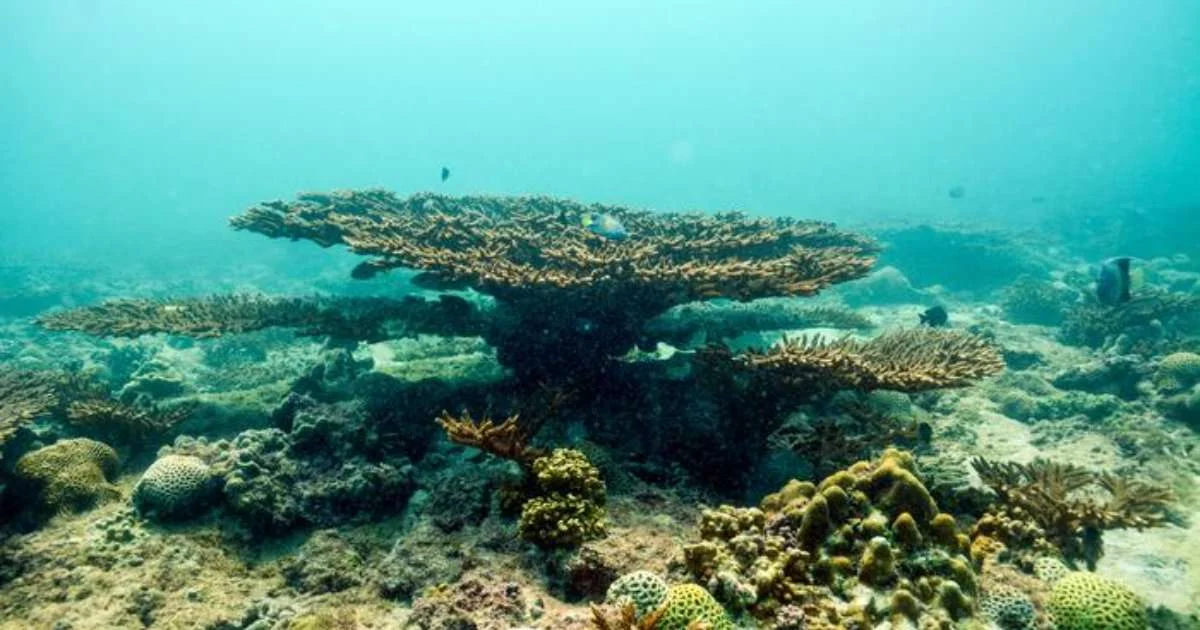
The study, led by researchers at NYU Abu Dhabi’s Center for Genomics and Systems Biology, focused on Acropora pharaonis corals native to the Arabian Gulf, including specimens collected near Saadiyat Island. As ocean temperatures rise, corals frequently experience thermal stress, which impairs their internal capacity to produce the steroid hormones necessary to regulate their immune systems. The research reveals that Endozoicomonas bacteria can detect these thermal shifts and compensate for the host’s physiological deficit by manufacturing these hormones themselves. This bacterial contribution allows the coral to mount a robust immune response, significantly increasing the survival rates of individual coral cells.
“When temperatures become high, corals lose some of their ability to produce steroid hormones that are important for regulating their immune system,” explained Amin Mohamed, a research associate at NYU Abu Dhabi and the study’s lead author. “We found that their bacterial partners can compensate by producing these hormones themselves, allowing the coral to activate an immune response that helps its cells survive the heat.”
The ability to synthesize steroid hormones is a complex biological process, typically associated with higher organisms. While these molecules have been documented in a limited number of other bacteria—such as those found in the human gut—this is the first time such an interaction has been identified within the coral microbiome. The findings reveal a sophisticated level of host–microbe cooperation, where the bacteria serve as an essential “pharmacy” for the coral, providing vital regulatory molecules precisely when the host is under the greatest environmental pressure.
“These bacteria are doing much more than simply living alongside the coral,” said Shady Amin, an associate professor of biology at NYU Abu Dhabi and the study’s senior author. “They are providing the coral with molecules it needs to regulate its immune response at a time when the coral itself is under significant stress.”
The implications of this research extend far beyond the laboratory, offering a potential paradigm shift for global coral conservation efforts. Currently, most restoration strategies—such as coral nurseries, transplantation, and assisted evolution—focus almost exclusively on the genetic or physiological traits of the coral itself. By highlighting the fundamental role of beneficial microorganisms in host resilience, this study suggests that future conservation initiatives might benefit from incorporating “microbial management.” Strategies could include identifying and fostering specific, high-performing bacterial strains to bolster the heat tolerance of degraded reefs.
This collaborative effort, which also involved John Burt and the Marine Microbiomics Lab, represents a significant leap forward in understanding the complex interdependencies that allow marine ecosystems to persist in extreme environments. As climate change continues to drive sea surface temperatures toward record highs, the role of the coral microbiome may prove to be a decisive factor in whether these vital ecosystems can adapt to, or continue to decline under, the pressures of a changing planet. By identifying this invisible chemical lifeline, scientists have opened a new frontier in the race to protect coral reefs from the looming threats of thermal stress and bleaching.
Disclaimer: This content is auto-generated for informational purposes only.
Source: Read Original News