








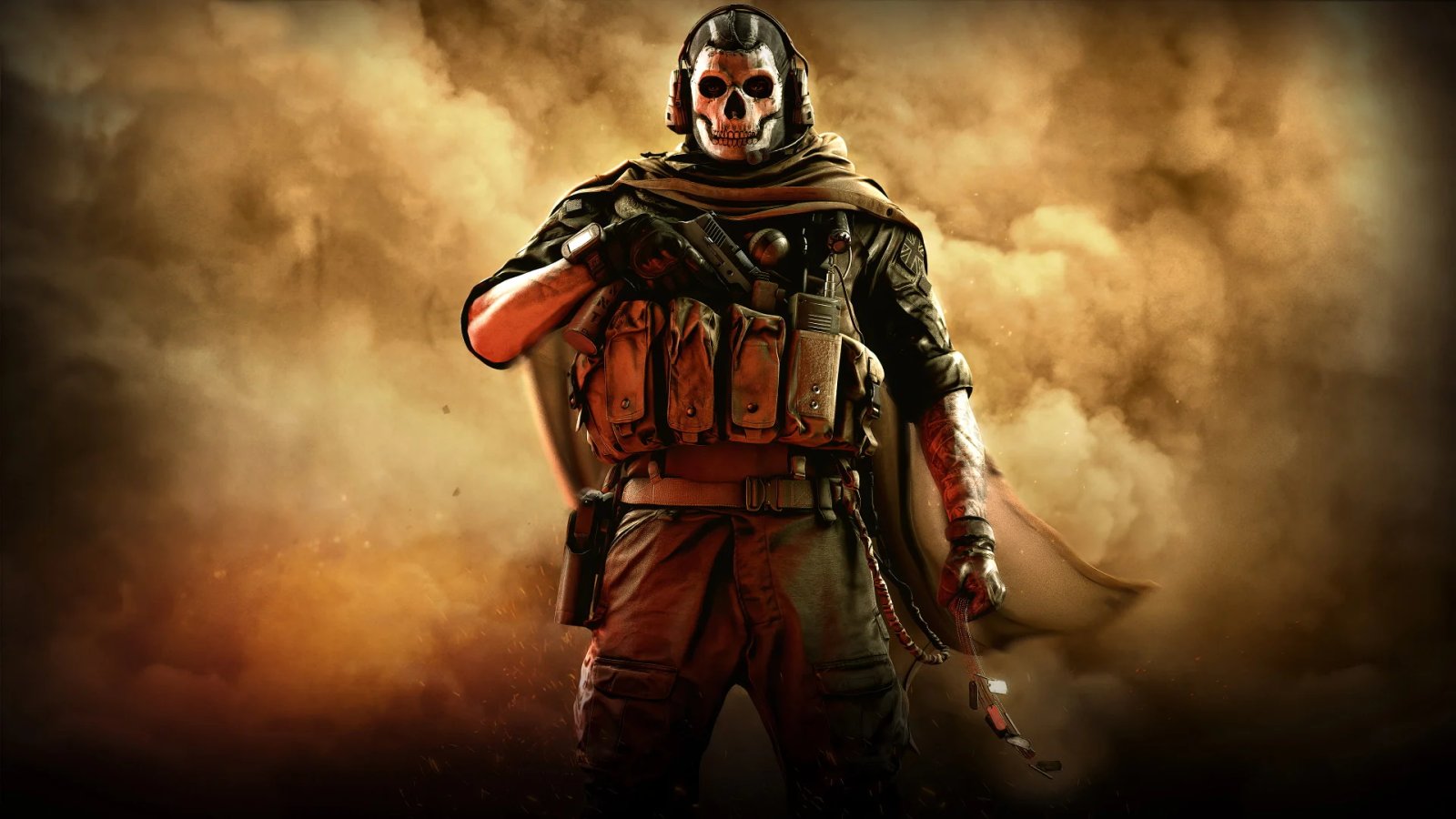
The landscape for one of the most recognizable franchises in gaming is shifting. Recent data released by market research firm Circana highlights a difficult truth for Activision: despite positive reception regarding the quality of the latest installment, Modern Warfare 4, the franchise is struggling to capture its previous dominance in the active player market. As development costs for major titles continue to climb, the industry is witnessing a trend that is becoming increasingly difficult for stakeholders to ignore.
The Data Behind Franchise Fatigue
The statistics provided by Circana offer a sobering view of current engagement levels. When examining console performance—specifically on the PlayStation 5 and Xbox platforms—active player counts for Modern Warfare 4 have trailed behind its predecessor, Black Ops 7. On PlayStation 5, active engagement dropped from 23% during the launch window of Black Ops 7 to 19% for Modern Warfare 4. The decline was even more pronounced on Xbox, shifting from 29% to 17%. While much of that specific discrepancy can be attributed to the inclusion of Black Ops 7 in the Xbox Game Pass library at launch, the downward trend across multiple platforms suggests a deeper issue: the persistent influence of franchise fatigue.
Although Steam numbers showed a positive move from 1.5% to 4.2%, these localized gains do not offset the broader stagnation. The Call of Duty brand, which reached unprecedented heights during the COVID-19 pandemic through the success of Warzone, has struggled to maintain its year-on-year growth. For a property that requires massive investment and resources, this plateau presents a critical challenge for long-term sustainability.
The Risks of Future Development
Activision has historically leaned on the reliability of the Black Ops and Modern Warfare sub-franchises to ensure market consistency. However, this strategy is approaching a turning point. Sledgehammer Games is currently preparing a premium title for 2027 that is expected to introduce a brand-new sub-franchise. Moving away from the established names that players recognize is a significant gamble.
Development insiders indicate that there is an acute awareness of this precarious position within the company. Transitioning to a new, unknown intellectual property in an environment where players are already showing signs of exhaustion is a massive risk. The question remains whether the market will embrace a new entry or if the franchise requires a fundamental restructuring to regain its competitive edge.
The Controversy of Skill-Based Matchmaking
The central point of contention for many long-term players is the implementation of skill-based matchmaking (SBMM). This algorithmic approach to pairing users is intended to balance games based on performance data, yet it has become a lightning rod for criticism within the community. Critics argue that aggressive matchmaking algorithms prioritize engagement metrics over the authentic social and competitive experience that originally propelled the series to success.
Data suggesting that SBMM improves player retention often overlooks the reality that, if the core audience is disengaging from the franchise entirely, the retention metrics of those who remain become less relevant. The success of other titles in the industry, which have gained traction by explicitly advertising the absence of such restrictive matchmaking, suggests that there is a significant portion of the player base eager for a return to a more organic multiplayer environment.
The Necessity of Radical Transparency
Beyond technical adjustments like matchmaking, there is a mounting requirement for improved communication between developers and the community. The gaming industry has seen successful shifts in player perception when developers choose to be blunt and transparent about their development goals and challenges. Companies that treat their audience with respect, avoiding overly sanitized corporate messaging, often see a stronger, more invested following.
For the future of the series, particularly the upcoming 2027 title, there is an opportunity to rebrand the development team as a new, fresh perspective. If the developers were to lean into a strategy of radical honesty—coupled with bold decisions regarding the game’s core matchmaking mechanics—it could serve as a catalyst for a resurgence in player numbers.
Looking Toward a Sustainable Future
The current trajectory indicates that the status quo is no longer sufficient to sustain the franchise’s massive footprint. Whether through the removal of contentious matchmaking systems or a renewed commitment to clear, transparent communication, the path forward requires more than just high-fidelity graphics and annual iterations.
The industry is watching closely to see how Sledgehammer Games handles this transition. If they can position themselves as a team willing to challenge the established norms of the last decade, they may be able to revitalize a community that is currently looking elsewhere for its multiplayer needs. Success will ultimately be determined by whether developers are willing to prioritize the feedback of their most dedicated players over the rigid data models that have defined the recent era of the series. For now, the numbers remain a warning sign that the era of relying solely on brand recognition is coming to an end.
Disclaimer: This content is auto-generated for informational purposes only.
Source: Read Original News