








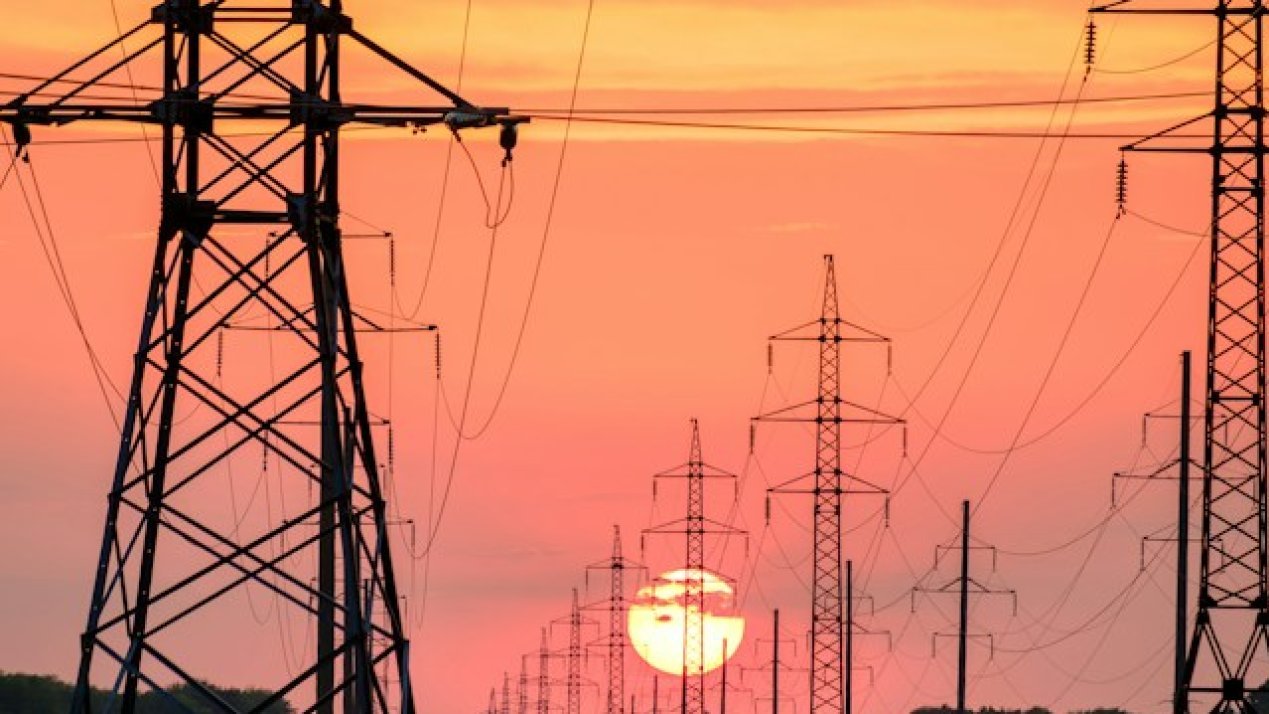
Mexico’s renewable energy sector is caught in a high-stakes paradox: while solar generation capacity is poised for massive expansion, a crumbling and congested transmission network threatens to derail the country’s clean energy transition. According to new data from the IMARC Group, Mexico’s solar market is set to grow from 4.2GW in 2025 to 17.2GW by 2034, marking a steady 16.33% CAGR. However, industry experts warn that these ambitious generation goals will remain unreachable unless there is a drastic pivot toward grid modernization and infrastructure investment.
## The Infrastructure Gap: Generation Outpaces Grid Capacity
Despite the aggressive growth targets, the physical reality on the ground tells a more concerning story. A recent analysis reveals that of 37 major state-awarded solar projects, only 17 have secure, functional grid interconnections. The remaining 20 projects are tied to transmission lines and substations that currently exist only on paper or in the early stages of construction.
This bottleneck is particularly acute in high-irradiance northern hubs like Sonora and Chihuahua. Because the transmission capacity has failed to synchronize with the awarding of generation licenses, developers are facing unprecedented “curtailment risks.” In plain terms, even if these massive solar farms are finished, they may be forced to disconnect or reduce output because the national grid lacks the bandwidth to carry their electricity to consumers. This instability not only complicates the bankability of these projects but also triggers a volatile decline in wholesale power spot prices when supply suddenly floods a saturated, under-served market.
## The Financial Burden of Energy Modernization
The financial challenge is substantial. To meet the national goal of 33% renewable energy by 2030, analysts estimate that approximately US$6.9 billion in transmission investments are required. While state-backed instruments like the CFE Fibra E have begun mobilizing capital—securing roughly US$2.5 billion—there remains a massive funding gap.
Institutional financiers and private developers are now forced to exercise extreme caution. With commercial lenders scrutinizing “merchant exposure”—the risk that a project cannot sell its power during peak hours due to grid congestion—the reliance on corporate power purchase agreements (PPAs) has become a primary survival strategy. Companies like Bayer are opting for localized, on-site solar solutions to bypass grid dependence entirely, while suppliers like JA Solar continue to flood the market with high-efficiency N-type TOPCon panels. However, these individual efforts cannot solve the systemic issue of a national backbone that is effectively operating at its limit.
## Leveraging Technology for Grid Intelligence
As Mexico struggles to close this infrastructure gap, industry leaders are increasingly looking toward digital solutions and AI-driven grid management to mitigate the current volatility. In other parts of the world, Google’s advancements in AI-powered demand response and grid optimization tools—often integrated into cloud-based energy management systems—have helped operators balance intermittent renewable energy loads more efficiently.
While Mexico continues to grapple with physical infrastructure deficits, the integration of smart-grid technologies could eventually help provide better predictive data, allowing for smarter dispatching and reduced curtailment. Yet, software alone cannot bridge the divide. As it stands, the country is in a race against time. For Mexico to successfully pivot from its current state, where fossil fuels still account for 75% of power generation, the government and private sector must prioritize the rapid, physical deployment of transmission hardware to ensure that the massive solar expansion planned for the next decade actually reaches the grid.
Disclaimer: This content is auto-generated for informational purposes only.
Source: Read Original News