








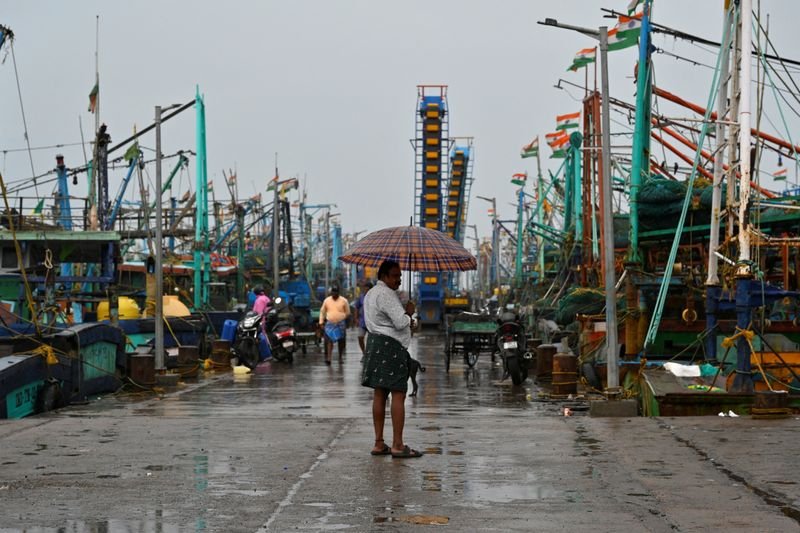
Double Blow: Cyclone Murasu Makes Landfall in Andhra Pradesh Following Deadly Storm
BHUBANESWAR – The eastern coastline of India is grappling with a fresh weather emergency as Cyclone Murasu slammed into the shores of Andhra Pradesh early Tuesday morning. The severe cyclonic storm began its landfall process at approximately 1:00 a.m. local time, marking the second major weather system to batter the region in less than a week.
The India Meteorological Department (IMD) confirmed that the storm, which originated over the volatile waters of the Bay of Bengal, is currently testing the resilience of local infrastructure already strained by last week’s Cyclone Arnab.
Mass Evacuations Underway
In a race against time, disaster management authorities initiated large-scale evacuation protocols on Monday. With the storm’s path cutting directly through vulnerable coastal districts, officials have prioritized moving approximately 30,000 residents from low-lying areas to government-run relief shelters.
State officials in Andhra Pradesh have been working in coordination with local law enforcement to ensure that communities in the direct line of the cyclone are cleared. Emergency response teams have been staged across both Andhra Pradesh and the neighboring state of Tamil Nadu, which the IMD has identified as the primary zones for potential damage.
A Region in Crisis
The arrival of Cyclone Murasu comes at a particularly difficult time for the coastal belt. The region is still reeling from the aftermath of Cyclone Arnab, which reached the coast last Wednesday. Classified as a “very severe cyclonic storm,” Arnab left a trail of destruction in its wake, resulting in at least six confirmed fatalities and significant damage to homes and power grids.
The recurring nature of these storms has heightened concerns among meteorologists and local administrators. The Bay of Bengal is historically a high-risk area for tropical systems, but the frequency of these back-to-back storms is putting an unprecedented strain on disaster relief resources.
Assessing the Impact
While the full extent of the damage caused by Murasu remains to be seen as the storm progresses, the IMD has issued continuous warnings for heavy rainfall, gale-force winds, and storm surges. Local governments are urging residents to remain indoors and follow safety guidelines as the situation develops.
Power restoration and search-and-rescue operations following Cyclone Arnab had only just begun in several districts before the threat of Murasu forced a pivot back to emergency containment. As the cyclone moves inland, the focus for state and national disaster response forces remains firmly on minimizing loss of life and maintaining critical support systems for those displaced by the back-to-back weather events.
Weather experts indicate that the intensity of the storm is expected to gradually diminish as it tracks further over land, though coastal districts should remain on high alert for flooding and wind-related hazards throughout the day. Government officials are expected to conduct initial damage assessments once the winds subside and weather conditions stabilize.
Disclaimer: This content is auto-generated for informational purposes only.
Source: Read Original News