







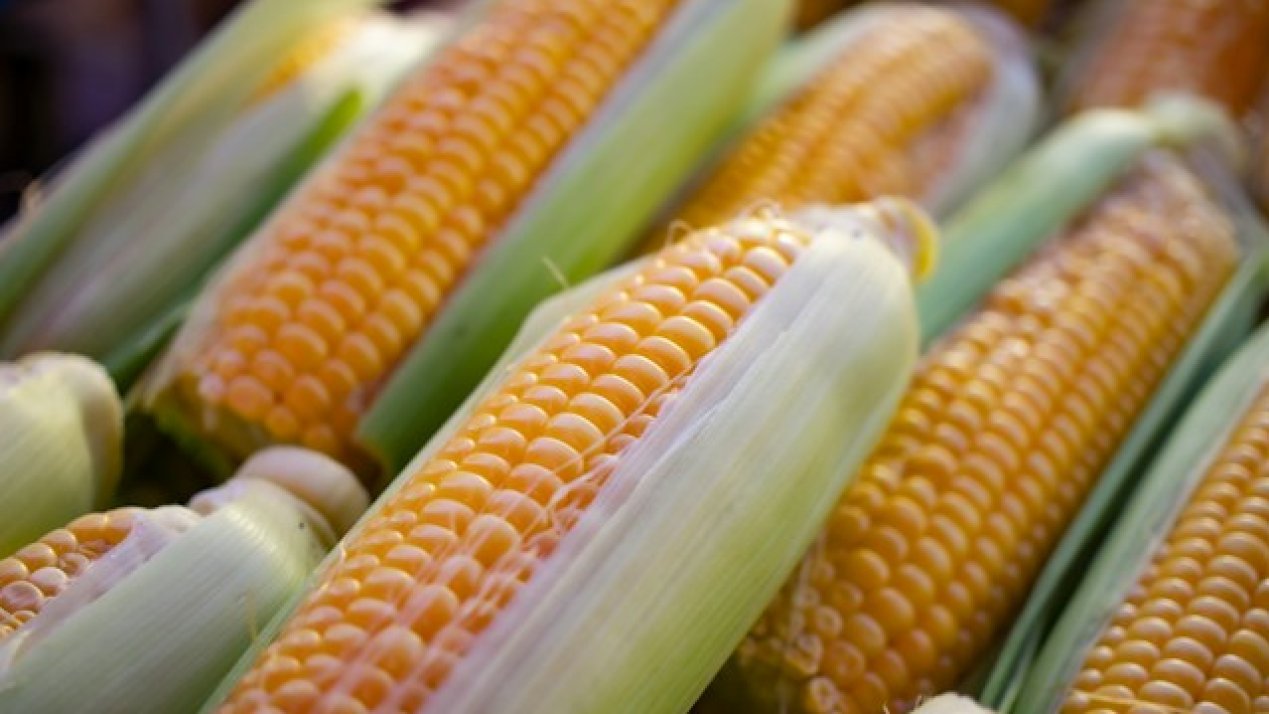
Mexico’s agricultural sector faces a daunting transformation that could see the nation rely on international markets for over 80% of its corn supply within the next ten years. According to the National Agricultural Council (CNA), domestic production is struggling to keep pace with an ever-expanding demand, signaling a shift in food security that analysts describe as a structural crisis.
### The Growing Gap: Production vs. Consumption
Data from the Agricultural Markets Consulting Group (GCMA) paints a stark picture of this decline. In 2017, Mexico produced 27.7 million tons of corn, a figure that has steadily eroded to 23.5 million tons by 2026. Conversely, national consumption has surged from 40.3 million tons to 48.2 million tons over the same period.
This imbalance has pushed the country’s self-sufficiency rate down to roughly 49%. Experts point to a myriad of obstacles, including the small scale of family farms—where 82% of producers work on less than five hectares of land—and severe limitations in access to financing, insurance, and modern technical tools. In states like Sinaloa, once a hub for high-yield irrigated corn, farmers have been forced to cut acreage due to water scarcity and soaring production costs for fertilizers and seeds.
### The Livestock Boom and the Screwworm Factor
While the demand for white corn—primarily used for human consumption—has stabilized, the need for yellow corn is skyrocketing. This spike is directly tied to Mexico’s massive livestock industry. As one of the world’s top five producers of balanced animal feed, Mexico requires vast amounts of yellow corn to support its poultry, pork, dairy, and beef sectors.
The industry’s dependency on imports has been further exacerbated by the recent screwworm outbreak, which led to the closure of border crossings for live cattle. Instead of exporting thousands of head of cattle, producers have pivoted toward processing meat domestically for export. This shift necessitates keeping more animals in-country, which in turn spikes the demand for feed grain. Consequently, imports from the United States have reached record levels, with rail shipments surging to support this internal production cycle.
### Leveraging Data for Agricultural Recovery
To address these structural inefficiencies, industry leaders and researchers are calling for a fundamental change in public policy. The integration of modern technology and data-driven farming could play a crucial role in reversing the downward trend. Experts are advocating for the return of contract farming, the use of sophisticated price hedging tools on global exchanges like the Chicago Board of Trade, and the creation of targeted credit programs.
Beyond traditional policy changes, there is an increasing emphasis on precision agriculture. By utilizing satellite imagery and AI-based climate modeling—tools frequently utilized in global tech markets—small-scale farmers could better manage water resources and predict soil needs. Currently, these farmers suffer from a lack of technical assistance, but the digital transformation of the countryside could allow for better yield management and resource allocation.
As the government evaluates potential solutions, from developing a dedicated agricultural development bank to establishing multiyear funding budgets for sanitary and modernization programs, the clock is ticking. Without significant intervention, Mexico’s dependence on foreign markets is set to deepen, fundamentally altering the country’s agricultural landscape for the next decade. The path forward will likely require a blend of traditional agricultural reform and the adoption of high-tech strategies to ensure that the nation’s producers can compete with the cost-effective imports currently filling the void.
Disclaimer: This content is auto-generated for informational purposes only.
Source: Read Original News