







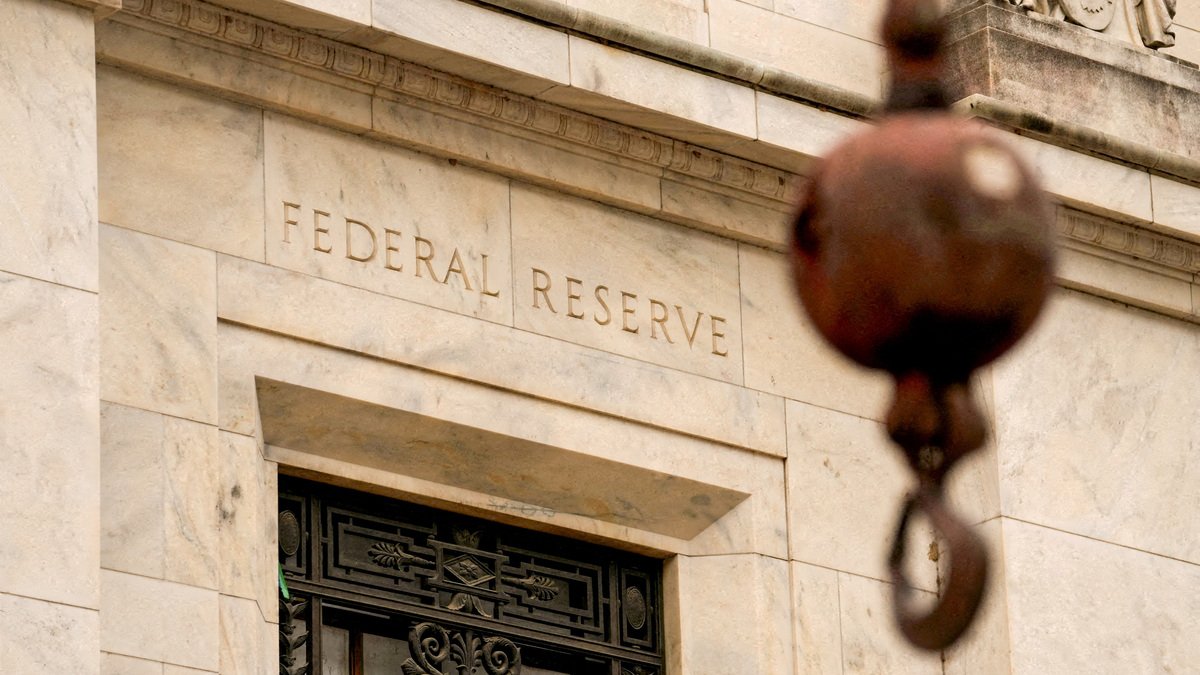
Business demand for bank loans has dipped for the first time in over a year, according to the latest Federal Reserve Senior Loan Officer Opinion Survey. While the decline might initially signal a cooling economy, the data suggests a more nuanced reality: businesses are not necessarily pulling back on growth; they are simply shopping for better deals elsewhere.
The findings indicate that as corporations pivot away from traditional bank financing, they are increasingly seeking more attractive alternatives, including non-bank funding sources. This shift is occurring despite a robust environment for capital expenditure. Recent government data revealed a significant 20.9% annualized surge in equipment spending, the largest contribution to GDP growth in six years.
## Lending Standards and the “Broadening Out” Effect
The Fed survey offers a sense of relief for financial observers concerned about credit availability. For the first time in two years, banks reported that they have stopped tightening lending standards for large and mid-sized firms. While smaller businesses continue to face stricter borrowing requirements, the stability for larger corporations is viewed as a positive indicator for the broader economy.
Analysts at Oxford Economics highlighted the significance of this stabilization. They suggest that the cessation of tighter credit conditions is a key signal that business investment is expanding beyond the high-growth artificial intelligence sector. As firms move past the initial frenzy of AI infrastructure investments, this “broadening out” effect—supported by easier access to capital—could sustain a more diverse economic recovery across sectors like manufacturing and industrial technology.
## Digital Banking and the Shift in Borrowing
The migration of business borrowers to “more attractive” funding sources underscores a broader transformation in the fintech landscape. Tech-driven lending platforms and private credit providers are increasingly competing with traditional commercial banks by offering more flexible, data-driven loan products.
For the technology industry, this shift is critical. As banks reassess their risk appetite, tech startups and established firms alike are relying on digital-first financial instruments that prioritize speed and integration. This trend aligns with the growing reliance on automated underwriting systems, which allow non-bank lenders to assess creditworthiness using AI-driven analytics rather than traditional, slow-moving manual evaluations.
## A Mixed Consumer Credit Landscape
While the corporate sector is shifting its borrowing habits, the consumer side of the ledger paints a more volatile picture. The Fed survey highlighted a sharp decline in demand for residential real estate and auto loans, reflecting the impact of current interest rate environments on individual purchasing power.
Conversely, credit card demand saw its largest spike in four years. This surge suggests that while consumers are hesitant to take on long-term, high-interest debt like mortgages or vehicle loans, they remain reliant on revolving credit to manage daily expenses.
For policymakers, the data provided a complex backdrop during the October 27–28 Federal Reserve meeting, where officials ultimately decided to keep short-term borrowing costs steady. The combination of strong equipment investment, stabilized corporate lending, and shifting consumer debt habits presents a delicate balancing act for the central bank as it navigates the ongoing economic transition.
As the economy continues to evolve, the ability of both large enterprises and small businesses to secure financing through diverse digital channels will remain a primary metric for determining the durability of current growth. While traditional banks remain the bedrock of the financial system, the clear move toward competitive, non-traditional lenders signifies that the credit landscape is undergoing a permanent, tech-forward transformation.
Disclaimer: This content is auto-generated for informational purposes only.
Source: Read Original News