







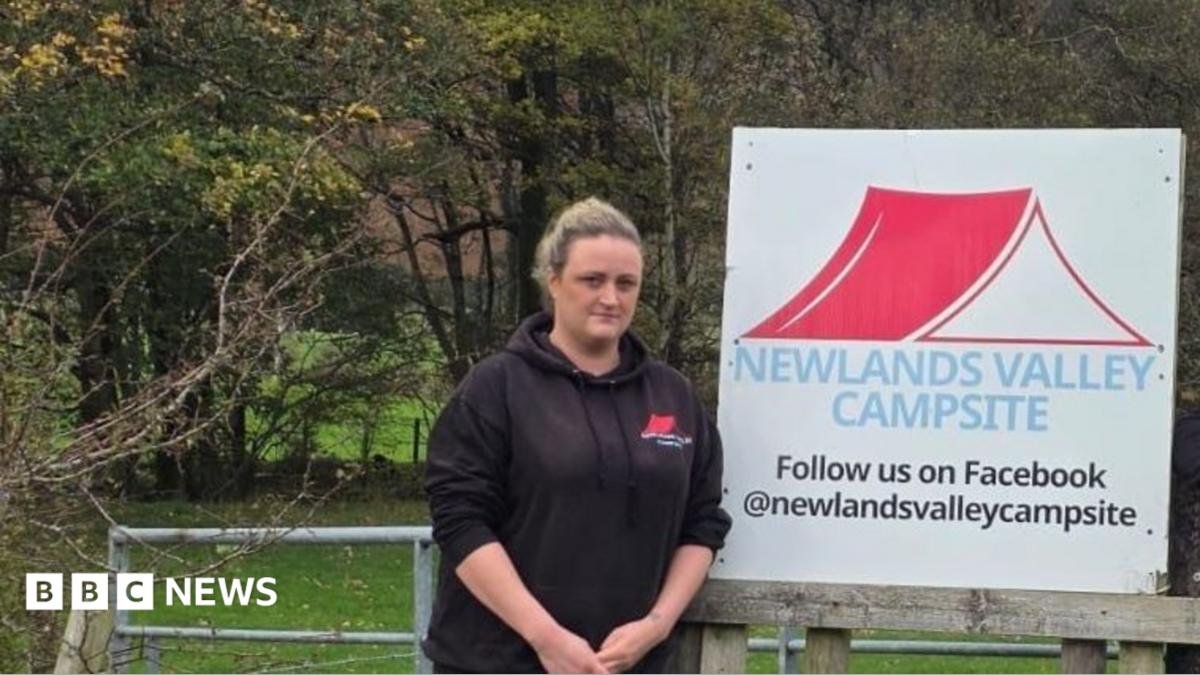
Small business owners in the Lake District are sounding the alarm as regional authorities weigh a potential crackdown on the “pop-up” camping industry. The proposed restrictions by the Lake District National Park Authority (LDNPA) have ignited a fierce debate between those championing rural economic vitality and residents concerned about the preservation of a UNESCO World Heritage site.
As the consultation period progresses, local entrepreneurs fear that new planning hurdles could effectively shutter their operations, sparking a conversation that highlights the tension between sustainable tourism and land conservation.
## The Economic Impact of Temporary Tourism
For many local landowners, pop-up campsites have provided a vital revenue stream. Data provided by booking platform Pitchup.com underscores the scale of this niche market, revealing that these temporary sites generated approximately £1.6 million in revenue across Cumbria this year alone. Beyond the campsites themselves, the economic ripples are significant, with visitors spending an estimated £800,000 at local pubs, shops, and tourist attractions.
Campsite operators argue that these sites are essential to managing the high volume of tourists flocking to the region. By providing structured, legal camping areas, they help mitigate the persistent problem of “fly camping,” where visitors set up tents in unauthorized, environmentally sensitive areas.
## The Push for Regulatory Reform
Despite these economic arguments, the LDNPA is under pressure from residents who contend that the current system lacks necessary oversight. Sarah Wilson, a resident of Bowness-on-Windermere, has been at the forefront of a campaign to force these businesses to undergo the same rigorous planning scrutiny as permanent establishments.
Critics argue that the informal nature of these sites often leads to unchecked noise pollution, anti-social behavior, and cumulative environmental damage. For residents, the lack of regulation leaves them shouldering the burden of these negative externalities alone. The core of their argument is that as a protected UNESCO site, the Lake District requires a higher standard of land management to ensure its long-term preservation.
## The Digital Landscape and Future Uncertainty
The struggle for small business owners is compounded by the difficulty of navigating current planning laws. One operator noted that an attempt to extend operational flexibility to 80 days was rejected by the LDNPA, citing the inevitable “visual impact” of camping equipment on the fells. This has created a catch-22 for business owners who fear that if the proposed restrictions are finalized, they will be unable to secure the necessary permits to operate at all.
As stakeholders weigh their options, the digital tools that once boosted these businesses—like mobile booking apps and social media promotion—are now being viewed through a more skeptical lens. The disconnect between the digital convenience of booking a pop-up site and the physical realities of land management in a National Park has created a growing divide.
While some owners are turning to online petitions to sway the LDNPA’s decision, the outcome remains uncertain. If the authority proceeds with stricter regulations, it could fundamentally alter the tourism landscape of the Lake District. For now, the battle continues in the courts of public opinion, with advocates for the local economy warning that these new measures could signal the end of many family-run businesses, while conservationists insist that protecting the region’s character must take priority over unregulated commercial growth.
As the community awaits the LDNPA’s final ruling, the case serves as a stark reminder of the complexities involved in balancing modern traveler demand with the historic duty to preserve protected landscapes. Whether through technological mediation or more stringent traditional zoning, the path forward for the Lake District’s tourism sector remains fraught with regulatory challenges.
Disclaimer: This content is auto-generated for informational purposes only.
Source: Read Original News