









Strategic Realignment in the Indian Aviation Landscape
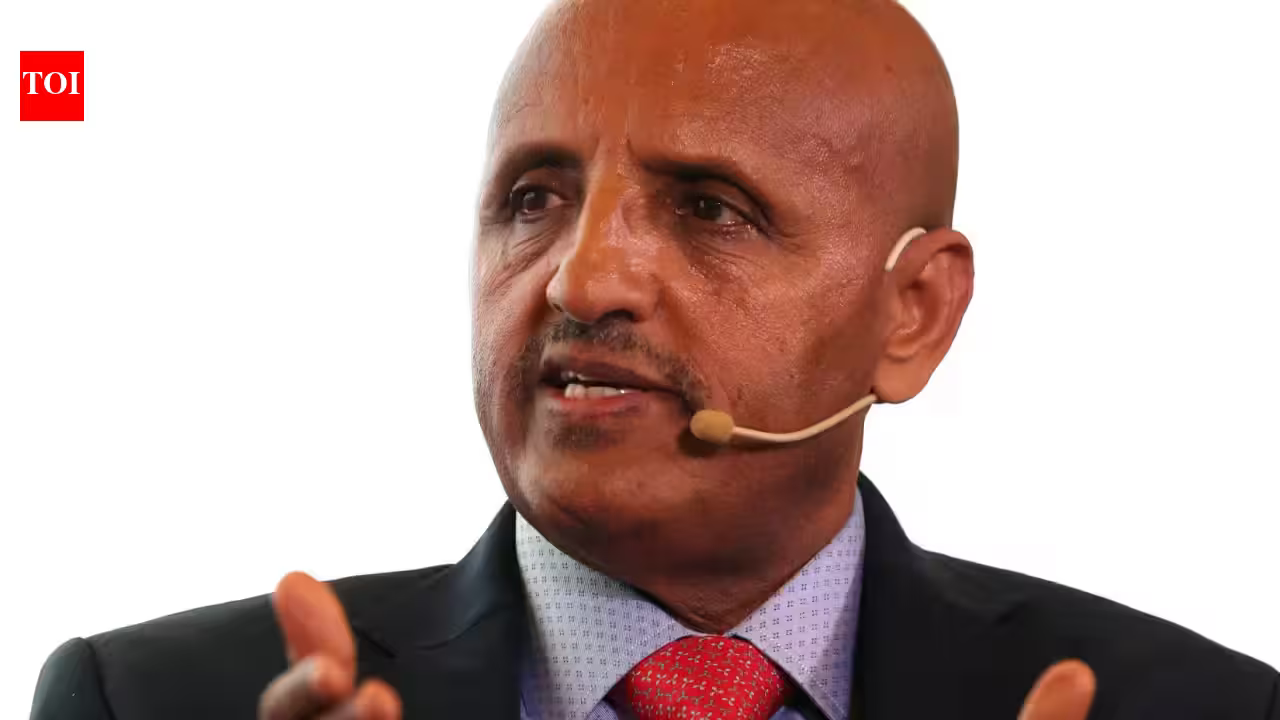
The Indian aviation sector is currently witnessing a transformative phase, characterized by intense competition, ambitious fleet expansion, and a relentless pursuit of operational efficiency. At the heart of this transformation is Air India, which, under the ownership of the Tata Group, is undergoing a profound restructuring to shed its legacy constraints and reclaim its position as a global leader. Recent remarks by CEO Tewolde Gebremariam underscore a frank assessment of the carrier’s current standing: despite its historic brand equity, the airline has been underperforming relative to its potential.
For decades, Air India struggled with bureaucratic hurdles, aging assets, and inconsistent service standards. Since the transition to private management in 2022, the mandate has shifted toward modernization and profitability. However, the path to financial sustainability is fraught with challenges, including significant annual losses and external macroeconomic pressures. The current leadership’s strategy focuses on a dual approach: aggressive capital investment in new wide-body aircraft to capture international traffic and a disciplined internal culture of cost management to stabilize the balance sheet.
The Wide-Body Ambition and Global Connectivity
A core component of Air India’s turnaround strategy involves a massive expansion of its wide-body fleet. Wide-body aircraft are the workhorses of long-haul international travel, offering the necessary range and capacity to connect India to high-value markets in North America, Europe, and East Asia. Currently, India’s aviation sector faces a structural deficit in direct international connectivity, with a large proportion of long-haul Indian travelers routing through hubs in the Middle East.
By increasing its wide-body order book, Air India aims to repatriate this traffic and establish itself as a primary gateway for international travelers. This shift is essential for increasing the airline’s share of the global aviation market, where it currently punches below its weight. Expanding the fleet is not merely a logistical upgrade; it is a competitive maneuver to leverage India’s geographic positioning. If the airline successfully optimizes its hub-and-spoke model, it can transform major Indian metropolitan airports into transit hubs that rival established international counterparts. This development would not only enhance Air India’s revenue streams but also bolster India’s status as a burgeoning global aviation hub, provided that airport infrastructure and regulatory frameworks evolve in tandem.
Addressing Structural Costs and Financial Discipline
While fleet modernization captures public attention, the more pressing challenge for the leadership team is the issue of profitability. With a cumulative loss exceeding five billion dollars since the Tata takeover, the focus has shifted toward operational austerity. CEO Tewolde Gebremariam has prioritized the reduction of the cost per available seat kilometre (CASK), a critical metric in airline economics. High CASK remains a primary drag on performance, particularly in an environment marked by volatile fuel prices and geopolitical disruptions affecting airspace.
To address this, the airline has initiated a multidisciplinary cost-savings program. This initiative represents a departure from legacy management styles, moving toward a data-driven, cross-functional approach where every expenditure is scrutinized. The emphasis on frugality and accountability is designed to permeate the entire organizational structure, urging employees to consider the financial impact of everyday operational decisions. In the context of the Indian market, where price sensitivity among passengers is acute, managing internal costs is the only sustainable way to remain competitive without sacrificing the premium service standards the Tata Group is known for.
Navigating External Volatility and Industry Pressures
The aviation industry is notoriously sensitive to external shocks, and Air India’s recovery plan is being executed within a volatile global climate. Rising costs, including aircraft maintenance and insurance premiums, combined with unpredictable airspace disruptions, create a difficult backdrop for achieving rapid profitability. These factors are largely outside the control of the airline’s management, yet they directly impact the financial performance of each flight.
To mitigate these risks, Air India is looking at rebalancing its network. This involves evaluating the viability of various routes, increasing frequencies on high-demand sectors, and potentially trimming underperforming routes that consume excessive resources without delivering adequate returns. This dynamic network management is vital for an airline of Air India’s size. Furthermore, the ability to pivot in response to shifting travel patterns is a key indicator of a mature, market-oriented carrier. As the Indian economy continues to grow, the demand for international travel is expected to surge, providing a buffer that the airline can exploit if its operations remain flexible and responsive.
The Road Ahead: Institutional Change and Market Leadership
The turnaround of Air India is a high-stakes endeavor that extends beyond a single corporation; it is a bellwether for the maturity of the Indian aviation market. Success requires a synthesis of capital infusion, structural reform, and a shift in corporate culture. The CEO’s commitment to achieving profitability “very soon” signals an urgent, action-oriented philosophy. However, the integration of new aircraft with legacy processes remains a complex technical and human-resource challenge.
Ultimately, Air India’s path forward depends on its ability to transition from a legacy carrier burdened by historical inefficiencies to a modern, agile entity. The investment in wide-body aircraft provides the physical capacity for growth, but the internal focus on accountability will determine whether that growth is profitable. For investors, employees, and the Indian public, the progress of this airline serves as an important case study in corporate restructuring within the transportation sector. If the airline achieves its goals, it will likely set a new benchmark for aviation in India, potentially spurring further investment and connectivity that benefits the broader economy. The road is demanding, but the alignment of fleet expansion with a strict cost-conscious discipline suggests a pragmatic strategy aimed at long-term resilience rather than short-term gains.
Disclaimer: This content is auto-generated for informational purposes only.
Source: Read Original News