








Safeguarding Agrarian Interests in Global Trade Negotiations
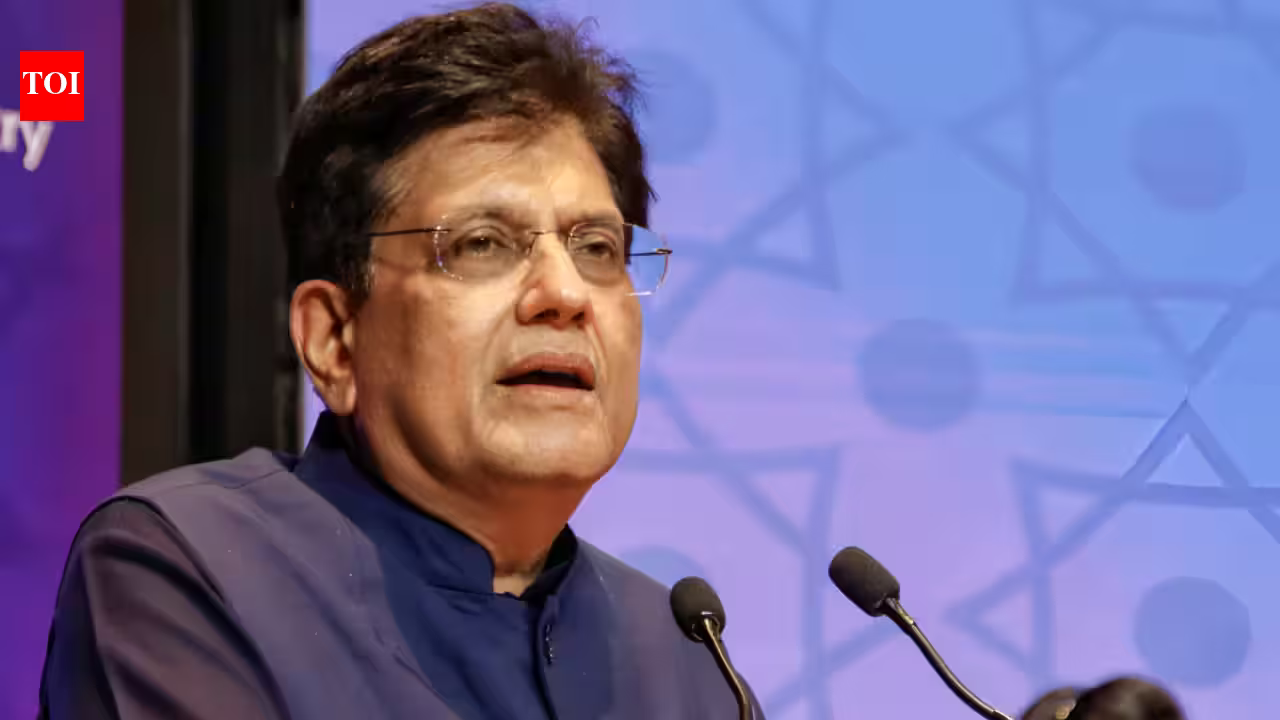
The landscape of international trade is defined by a delicate balance between market liberalization and the protection of domestic socioeconomic pillars. For India, a nation where a substantial portion of the population relies directly on agriculture, livestock, and small-scale industries for survival, trade negotiations are not merely economic exercises but matters of national security and social stability. The recent assertion by Minister of Commerce and Industry Piyush Goyal regarding the steadfast refusal to open the dairy sector in trade agreements or permit the entry of genetically modified (GM) products underscores a strategic commitment to protecting the domestic ecosystem.
As India negotiates various free trade agreements (FTAs), particularly with Western economies that maintain highly industrialized and subsidized agricultural sectors, the pressure to lower trade barriers is immense. However, the government’s stance suggests a recognition that the Indian dairy sector is fundamentally different from its global counterparts. In many developed nations, dairy production is concentrated in large-scale, automated industrial farms. In contrast, India’s dairy industry is driven by millions of smallholder farmers for whom cattle are not just assets but integral members of the rural economy. Liberalizing this sector could lead to an influx of cheaper, subsidized imports, potentially destabilizing the livelihoods of millions who rely on milk production as a consistent source of daily income.
The Economic Imperative of Protecting the Dairy Sector
India is currently the largest milk producer in the world, a feat achieved not through massive industrial complexes, but through the “cooperative model” that empowers local farmers. This model ensures that the value created within the supply chain is distributed among the producers rather than being concentrated in the hands of a few corporations. When trade negotiators discuss “opening up” the dairy sector, they are often referring to lowering tariffs on products like cheese, butter, and whey powder.
If India were to eliminate these protections, domestic producers would face severe price competition from international giants that benefit from significant state subsidies in their home countries. For the Indian MSME segment, which often operates on thin margins, such a shift could be catastrophic. By maintaining high tariff barriers and strict quality standards, the government is essentially ring-fencing a sector that provides a critical safety net for rural India. This protective strategy is not about isolationism but about ensuring that the transition toward a more globalized economy does not come at the cost of rural poverty and systemic instability.
Addressing Cultural and Religious Sensitivities in Food Trade
A unique and often overlooked facet of the Indian trade narrative is the profound intersection of commerce and cultural belief systems. As mentioned by the Minister, the use of non-vegetarian enzymes such as animal-derived rennet in the cheese-making process remains a significant point of contention. Rennet, traditionally sourced from the stomach lining of young calves, is a standard ingredient in many international dairy products. Given the significant population in India that follows strict vegetarian diets, the entry of such products into the domestic market poses a risk to religious sentiments.
This requirement for certification is more than just a regulatory hurdle; it is a manifestation of the government’s commitment to consumer sovereignty. By insisting on clear labeling and strict production standards, India is setting a precedent that foreign producers must respect the domestic cultural landscape if they wish to access the Indian market. This approach serves as a deterrent to the “one size fits all” trade policies often imposed by global players. It forces international partners to adapt their manufacturing processes specifically for the Indian consumer, reinforcing the idea that the Indian market is not just a destination for surplus global stock, but a sophisticated market with distinct demands.
Navigating the Stance on Genetically Modified Products
The refusal to allow genetically modified (GM) products into the country is another cornerstone of India’s current trade strategy. The debate surrounding GM crops and products is multifaceted, involving concerns over biodiversity, long-term health implications, and the dominance of multinational corporations over the seed supply chain. By maintaining a firm “no” on GM imports, the government is exercising the precautionary principle.
From a business perspective, this stance also prevents the potential contamination of India’s non-GM and organic farming value chains. India has been making significant strides in promoting organic agriculture and natural farming practices, which are gaining traction in both domestic and international high-value markets. Introducing GM products could jeopardize these efforts, potentially leading to cross-pollination issues or regulatory confusion that could harm the exports of Indian agricultural produce. Protecting the integrity of the Indian seed and food supply chain is, therefore, a long-term strategic investment in the future of the nation’s agricultural exports and its commitment to sustainable farming.
Balancing Global Ambitions with Internal Stability
As India continues to engage with major economies like the United States, the United Kingdom, and the European Union for trade deals, the path forward must remain grounded in the reality of the Indian demographic. The Ministry’s position serves as a reminder to global trade partners that while India is eager to participate in global value chains, it will not sacrifice its domestic socio-economic structures to do so. The goal is a balanced partnership where market access is reciprocal and aligned with the national interest.
For businesses and investors, this underscores the importance of understanding the Indian market as a landscape that prioritizes stability, social cohesion, and the protection of its vulnerable populations. Any entity looking to engage with the Indian dairy or food processing industry must recognize that success in this region requires an appreciation of the cooperative, smallholder-centric, and culture-sensitive nature of the market. Rather than viewing these protections as barriers, forward-thinking global corporations are increasingly exploring partnerships that integrate within the existing Indian framework—such as local sourcing, local processing, and adhering to strict vegetarian production standards.
The long-term outlook for India’s trade policy is likely to continue this dual focus: aggressively pursuing growth in manufacturing and technology while exercising caution in sectors where the social cost of disruption is too high. This strategy ensures that India’s integration into the global economy serves to uplift its agricultural and MSME backbone rather than eroding it. As the country moves toward a larger role in the global supply chain, this cautious yet deliberate approach to sensitive sectors will remain the hallmark of its diplomatic and commercial engagement, ensuring that development remains inclusive and sustainable for all tiers of the Indian economy.
Disclaimer: This content is auto-generated for informational purposes only.
Source: Read Original News