







The Strategic Rationale Behind Ecosystem-Based Partnerships
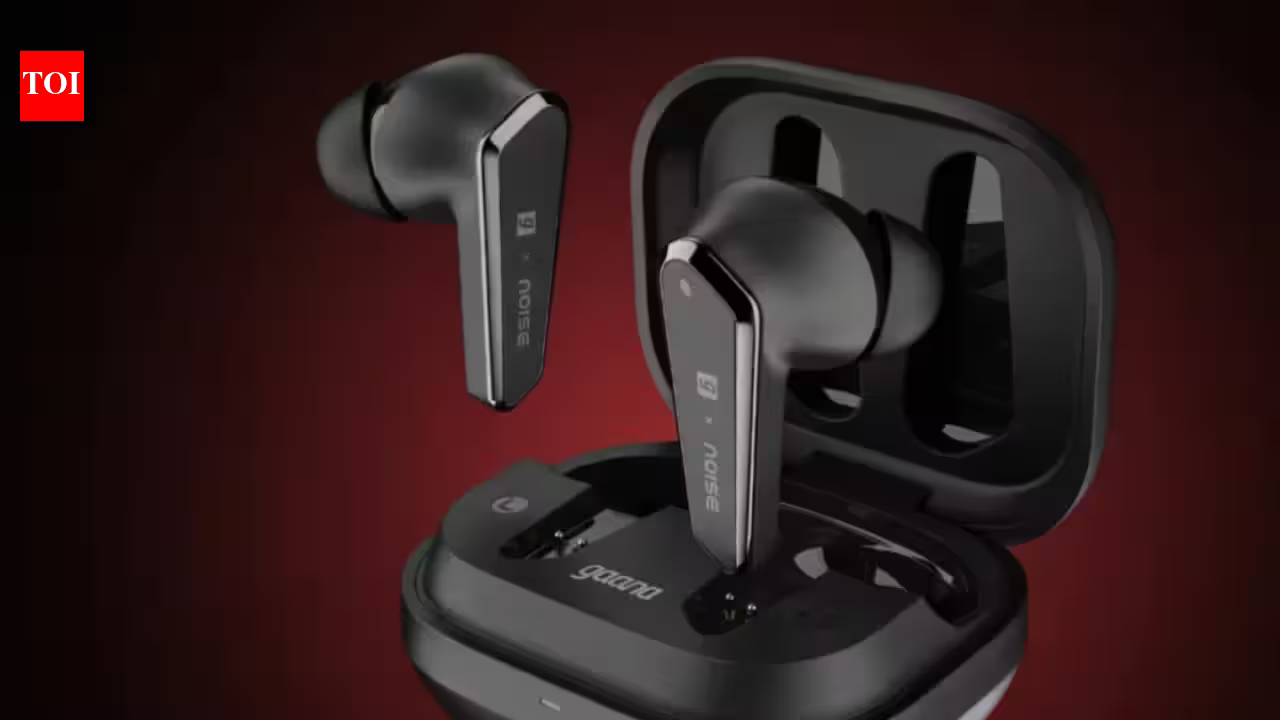
The collaboration between Noise, a leader in the Indian wearable technology market, and Gaana, a pioneer in music streaming, marks a significant shift in how domestic brands approach customer acquisition and retention. By bundling the Noise Buds R1 with a one-year Gaana Plus subscription for Rs 1,399, the two companies are executing a strategy of ecosystem integration. In a crowded market where hardware commoditization is a persistent threat, adding software-based value is an effective method to differentiate products.
For Noise, the partnership serves as an incentive to drive hardware sales through value-added service bundles. Consumers in India are increasingly sensitive to price-to-performance ratios. By providing a premium music streaming experience alongside the device, Noise addresses the primary use case of its customers: content consumption. For Gaana, this represents a cost-effective user acquisition channel. Instead of relying solely on digital advertising to convert free users into paid subscribers, the brand leverages the physical reach of a popular lifestyle accessory to embed its service directly into the user’s daily digital routine.
Decoding the Value Proposition for the Indian Consumer
The Indian audio market is characterized by intense price competition. With several global and domestic players vying for the entry-level and mid-range segments, hardware manufacturers must find innovative ways to justify their pricing. The Noise Buds R1 (Gaana Edition) operates on the principle of synergistic utility. Music is the primary driver for wireless earbud adoption, and by integrating the streaming service, the brand eliminates the friction between buying a device and accessing high-fidelity or ad-free content.
From an analytical standpoint, this move capitalizes on the “all-in-one” preference of the modern Indian consumer. By bundling a one-year subscription, the companies are essentially lowering the barrier to entry for paid music services. Many users who might otherwise be reluctant to pay for a streaming subscription are effectively receiving one as part of the hardware purchase. This creates a trial period long enough to build habituation. If, after one year, the user finds the Gaana Plus experience indispensable, the brands have successfully cultivated a recurring revenue stream for the software platform and strengthened the hardware brand’s perceived utility.
Market Positioning and Competitive Landscapes
The wearable technology landscape in India has evolved rapidly over the last five years. Domestic brands like Noise, boAt, and Fire-Boltt have successfully disrupted the market by offering aesthetics and features that were previously reserved for premium international brands. However, as the market matures, the differentiation between technical specifications—such as battery life, driver size, and latency—begins to narrow. When hardware becomes homogeneous, the ecosystem surrounding the device becomes the primary differentiator.
The partnership with Gaana allows Noise to position its hardware as a lifestyle gateway. In the broader Indian business context, this reflects a trend of “servitization,” where manufacturers are no longer selling isolated products but are instead selling an experience. Competitors are currently employing similar strategies, with some brands integrating health-tracking software or exclusive fitness content. By selecting music streaming as its focal point, Noise is catering to a demographic that prioritizes entertainment-on-the-go. This is a defensive and offensive move: it defends against market saturation by providing unique value and goes on the offensive by locking users into the Gaana content platform.
Operational Efficiencies in Co-Branded Ventures
Implementing a co-branded product launch requires seamless operational alignment between two distinct business models: manufacturing/logistics and digital content distribution. For the Noise Buds R1, the coordination involves ensuring that the software redemption process is frictionless for the user. If the activation of the Gaana subscription is complex, it negates the benefit of the partnership.
From a business perspective, the financial arrangement behind such partnerships usually involves a revenue-sharing or a bulk-licensing model. Gaana provides the access at a discounted rate to Noise in exchange for the guaranteed volume of new users. Noise, in turn, absorbs a portion of the software cost into its marketing budget, justified by the expected increase in sales velocity or brand loyalty. This is an efficient use of capital for both parties. Noise gains a powerful marketing narrative without significant R&D spending, and Gaana avoids the high customer acquisition costs associated with traditional digital marketing campaigns, where competition for ad inventory is fierce and expensive.
Future Implications for Domestic Brand Collaborations
The Noise-Gaana alliance signals a maturation of the Indian digital economy. We are likely to see a proliferation of such cross-industry partnerships as brands realize that consumers prefer platforms that solve multiple needs simultaneously. Future iterations of such collaborations could involve deeper technical integration. For instance, hardware that is pre-optimized for specific streaming platforms or software that allows for personalized sound profiles based on listening history could be the next phase of development.
Furthermore, this model can be replicated across other segments. Imagine footwear brands partnering with fitness-tracking software, or smart home device manufacturers bundling home security content. The lesson here is that as the Indian consumer becomes more tech-savvy, the expectation shifts from buying a standalone tool to investing in an integrated lifestyle stack. Brands that can orchestrate these partnerships effectively will not only capture larger market shares but also build higher levels of retention.
Assessing Long-Term Retention and Brand Loyalty
While the initial sales boost of the Noise Buds R1 (Gaana Edition) is important, the true test of this business model lies in long-term retention. Once the one-year subscription period expires, the sustainability of this partnership will be judged by the churn rate of those users. If the integration of Gaana into the daily usage of the Noise buds proves successful, it will set a benchmark for future product development.
In the Indian market, where brand loyalty is frequently tested by price sensitivity, creating a sticky experience is the ultimate goal. By tying the hardware usage to a specific software experience, Noise and Gaana are essentially building a defensive moat around their user base. While users may switch hardware in the future, the habituation built through the subscription model may encourage them to remain within the Gaana ecosystem, just as the hardware performance may encourage them to consider future Noise products. This dual-pronged approach to customer retention is a sophisticated strategy that highlights the professional evolution of homegrown Indian corporations as they transition from simple manufacturing to complex, service-oriented business ecosystems.
Disclaimer: This content is auto-generated for informational purposes only.
Source: Read Original News