






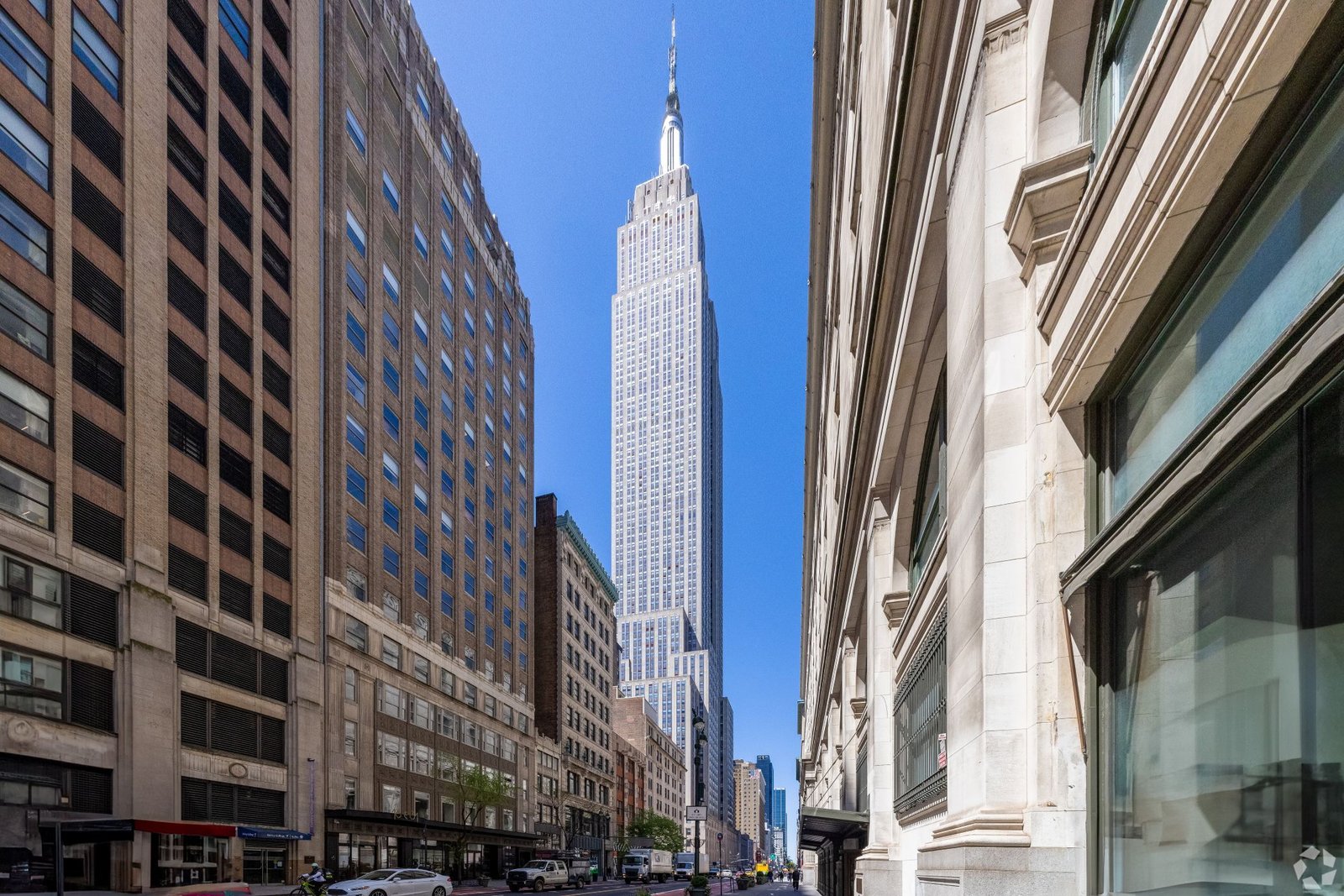
The iconic Empire State Building, long considered the ultimate barometer for New York City tourism, has hit a period of turbulence. Recent financial reports reveal that the landmark’s observatory experienced a sharp 26% decline in third-quarter attendance, contributing to a substantial 41% drop in net operating income. As the historic skyscraper grapples with shifting travel patterns and global economic headwinds, the broader real estate and tourism sectors are increasingly turning toward the technology industry to solve the “engagement gap.”
## Data-Driven Tourism and the AI Pivot
The decline in physical foot traffic at landmarks like the Empire State Building highlights a growing disconnect between traditional tourism and the hyper-personalized expectations of modern travelers. Industry analysts suggest that the “experience economy” is no longer just about the view from the top; it is about the digital journey that leads there.
To bridge this gap, venue operators are increasingly looking to Google’s suite of data tools to recapture market share. By leveraging Google Cloud’s predictive analytics, tourism boards and landmark managers are attempting to model crowd behavior and optimize pricing strategies in real-time. Much like how retailers use AI to anticipate inventory needs, major tourist attractions are experimenting with machine learning algorithms to personalize promotional offers, aiming to convert digital browsers into in-person visitors.
## Google Maps and the Search for Relevance
The struggle to drive attendance is also tied to how discovery happens in the digital age. Google Maps has evolved from a simple navigation tool into a sophisticated recommendation engine, powered by AI-driven updates and localized search trends. When users search for “things to do in New York” or check live busyness data, the visibility of an attraction can dictate its daily revenue.
For the Empire State Building, the challenge lies in staying top-of-mind within Google’s search ecosystem. As search behavior shifts toward AI-generated summaries and visual-first discovery, landmarks must ensure their digital presence—comprising high-resolution imagery, accurate business profiles, and real-time event updates—remains perfectly optimized. Tech-forward competitors are currently dominating this space by utilizing immersive AR (augmented reality) previews and enhanced Google Business profiles, setting a new benchmark for how physical sites must compete in a digital-first world.
## Future-Proofing the Iconic Skyline
The broader tech industry is providing the infrastructure for what many are calling the “Smart Attraction” model. As attendance metrics fluctuate, operators are looking beyond traditional ticket sales and toward integrated digital experiences. This includes deploying AI chatbots to handle international customer inquiries 24/7 in multiple languages, and using geo-fencing technology to push notifications to tourists wandering through Midtown Manhattan.
However, technology alone cannot solve the macro-economic challenges of a 26% attendance slump. While the Empire State Building remains a global icon, the significant dip in income underscores the vulnerability of heritage sites that rely on high-volume, traditional tourism. Moving forward, the successful preservation of these landmarks will likely depend on their ability to integrate seamlessly with the digital platforms where travelers spend the majority of their time.
Whether through deeper integration with Google’s travel ecosystem or the adoption of generative AI to craft personalized visitor itineraries, the lesson is clear: for even the most famous buildings in the world, physical presence is no longer enough. To thrive, these landmarks must become as dynamic and responsive as the search algorithms that now dictate where, when, and how the world travels. As the industry moves into the final quarter of the year, the focus will be on whether these digital investments can successfully reverse the downward trend and bring the crowds back to the 86th floor.
Disclaimer: This content is auto-generated for informational purposes only.
Source: Read Original News