









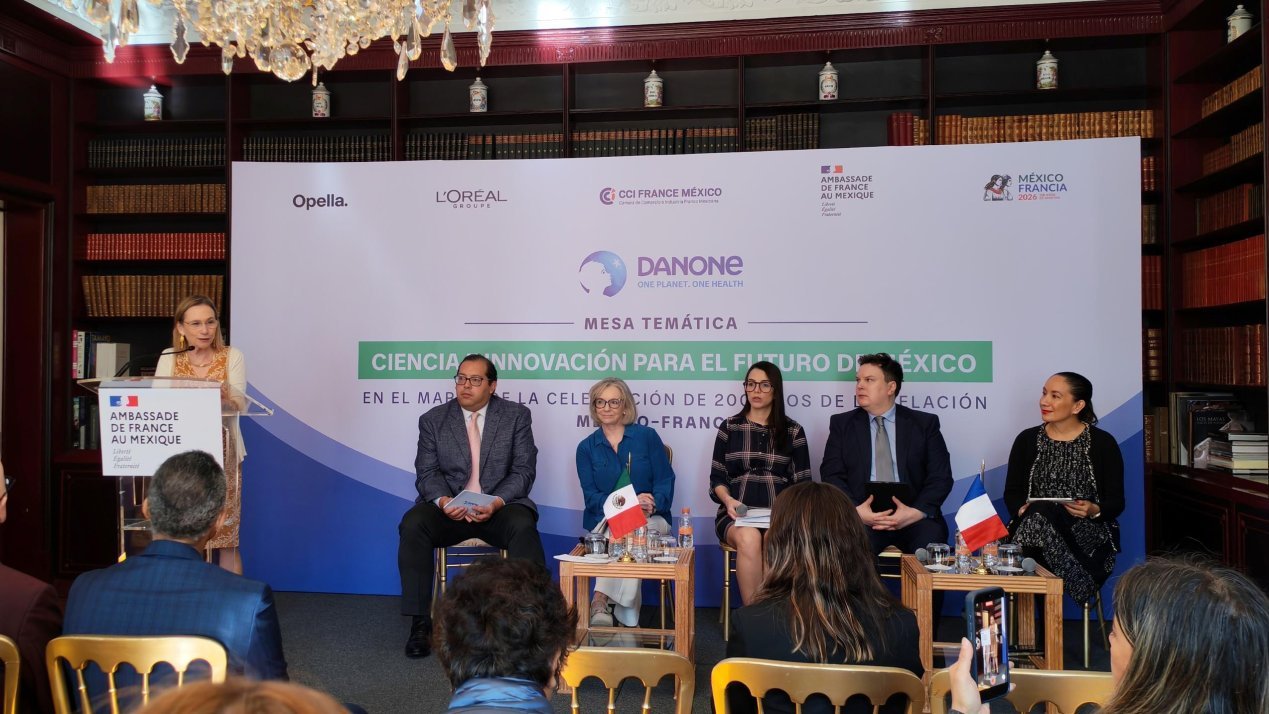
Mexico and France are formalizing a robust bilateral partnership in the health sector, leveraging digital transformation and industrial investment to tackle Mexico’s evolving epidemiological landscape. As Mexico grapples with a demographic shift toward an aging population and a high prevalence of chronic conditions like diabetes and cardiovascular disease, the two nations are aligning their regulatory frameworks and research capabilities to modernize clinical care.
This cooperation, celebrated at a recent bilateral business forum, marks a significant milestone in a diplomatic history spanning two centuries. Today, that relationship is supported by over 700 French companies in Mexico, with health and life sciences serving as a primary pillar for future economic and scientific growth.
## Accelerating Research Through Regulatory Digitization
A major component of this bilateral push is the modernization of Mexico’s regulatory environment. The Federal Commission for the Protection against Sanitary Risks (COFEPRIS) has significantly streamlined its processes to attract international research capital. By digitizing workflows through platforms like DIGIPRiS, the agency has reduced authorization timelines for clinical trial protocols to just 30 days.
This administrative agility is proving to be a game-changer for the entry of advanced therapies, including domestic mRNA vaccine platforms and CAR-T cell research. Industry leaders are actively utilizing these digital tools to bring innovations to market with greater speed and compliance, fostering a more collaborative environment between multinational corporations and the government.
## Integrating AI and Digital Tools into Patient Care
Technology and data-driven insights are at the center of the health agenda. As patient reliance on artificial intelligence for health guidance grows—with one in three Mexicans now consulting AI for medical decisions—the sector is focusing on closing the gap between raw data and actionable, science-backed solutions.
Companies are increasingly employing AI to optimize molecule discovery and refine dermatological research. By mapping the human “exposome”—the study of how environmental factors and radiation affect skin health—firms are using machine learning to create personalized formulations that specifically cater to the unique demographic and environmental needs of the Mexican population. This shift emphasizes that technology must not displace medical professionals but rather serve as a bridge to ensure consumers receive verifiable, trustworthy health information.
## Primary Care Reform and Data Harmonization
The Mexican government, under the guidance of the General Health Council (CSG), is implementing a unified national healthcare strategy designed to move away from fragmented systems. Central to this reform are the National Medical Care Protocols (PRONAM), which standardize diagnostic and treatment pathways for metabolic syndrome and chronic kidney disease across all primary care clinics.
This initiative is supported by the integration of unified electronic medical records and telemedicine networks, which connect rural, underserved clinics to urban diagnostic centers. By standardizing these protocols, Mexico is creating a “triple helix” of government, academia, and industry, enabling knowledge from scientific research to be translated into public policy more efficiently.
As multinational firms continue to expand their manufacturing footprint—such as the massive capital investment by Opella in its State of Mexico facility—the focus remains on balancing local production capacity with regional export potential. Through these integrated efforts, Mexico and France are not only bolstering the nation’s industrial infrastructure but are also creating a sustainable, technology-enabled framework to manage the future of public health.
Disclaimer: This content is auto-generated for informational purposes only.
Source: Read Original News