






As Indonesian President Prabowo Subianto reaches his third year in office, a deepening trend of autocratisation is casting a long shadow over the nation’s environmental landscape. Characterised by the consolidation of power, the remilitarisation of domestic policy, and the appointment of close loyalists to key oversight roles, the current administration’s leadership style is increasingly viewed by analysts as a fundamental threat to Indonesia’s ecological integrity.
The statistics are stark. According to data from the environmental watchdog Auriga Nusantara, Indonesia’s deforestation rate in 2025 surged by 66 percent compared to the previous year—a sharp reversal of the downward trend observed during the prior decade. A significant portion of this destruction is directly tied to the president’s ambitious “food and energy security” policy, which has seen nearly a fifth of total deforestation occur within land designated for large-scale agrarian conversion.
The most controversial manifestation of this policy is the Merauke Integrated Food and Energy Estate in Papua. Here, the government has bypassed traditional environmental safeguards, deploying military troops to manage land clearing, patrol local villages, and deter community resistance. The heavy-handed involvement of the armed forces in what is ostensibly an agricultural project highlights a broader, troubling trend: the use of state security apparatus to steamroll over environmental and indigenous concerns.
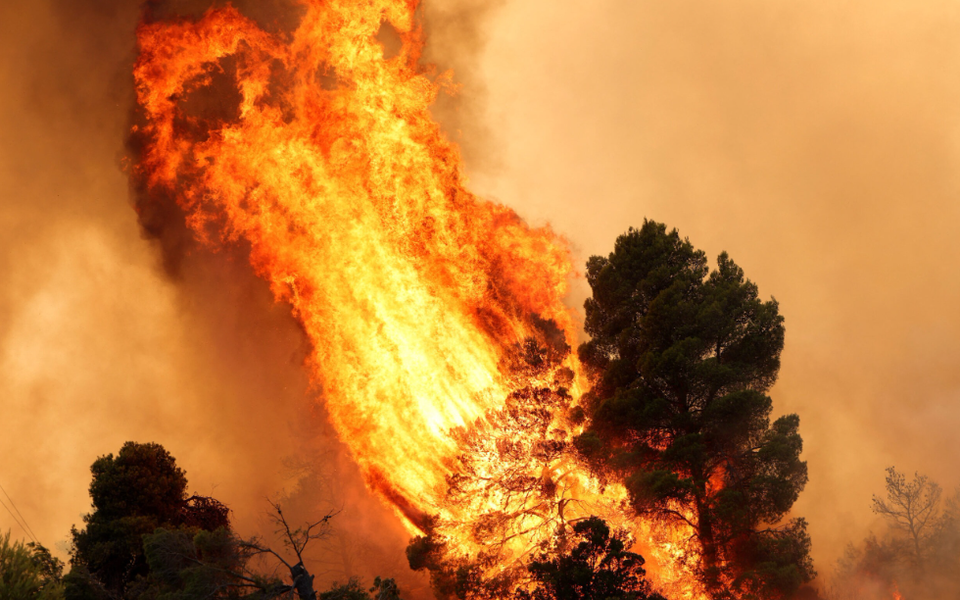
The climate crisis has further exposed the fragility of the administration’s approach. Between January and August 2026, nearly 900,000 hectares of land were scorched by wildfires, primarily in Sumatra and Kalimantan. While the 2026 “super El Nino” exacerbated these conditions, experts point to policy failures as a key driver of the disaster. The early dissolution of the Peatland and Mangrove Restoration Agency under Prabowo eroded the state’s ability to coordinate long-term recovery, while fiscal centralisation and budget cuts left disaster mitigation agencies ill-equipped to handle the resulting haze and fire emergencies.
In response to the wildfire crisis, the President reverted to his hallmark strategy: the ad-hoc mobilisation of military and police commanders. While this display of state power was intended to demonstrate efficiency, Forestry Minister Raja Juli Antoni eventually acknowledged the limitations of such reactive measures, signaling a pivot toward forming a new, yet ill-defined, management agency.
Beyond disaster response, the administration has introduced a “conservation finance” strategy that relies on the aggressive monetisation of protected lands. Led by the President’s brother, Hashim Djojohadikusumo, the Task Force for Innovation in National Park Financing and Management is promoting carbon credits, ecotourism, and bioprospecting as primary tools for environmental preservation. Critics, however, warn that these plans often function as mechanisms for private gain rather than true ecological restoration. In Sumatra’s Way Kambas National Park, plans to rezone areas for these business activities have already ignited local backlash.
The government’s “Forest Enforcement Taskforce,” led by Minister of Defence Sjafrie Sjamsoeddin, similarly raises red flags. While the task force has targeted illegal oil palm plantations, allegations of rent-seeking persist. Reports suggest that seized land is being funneled into the state-owned operator Agrinas Palma Nusantara, effectively centralizing the palm oil industry under the influence of the President’s political circle.
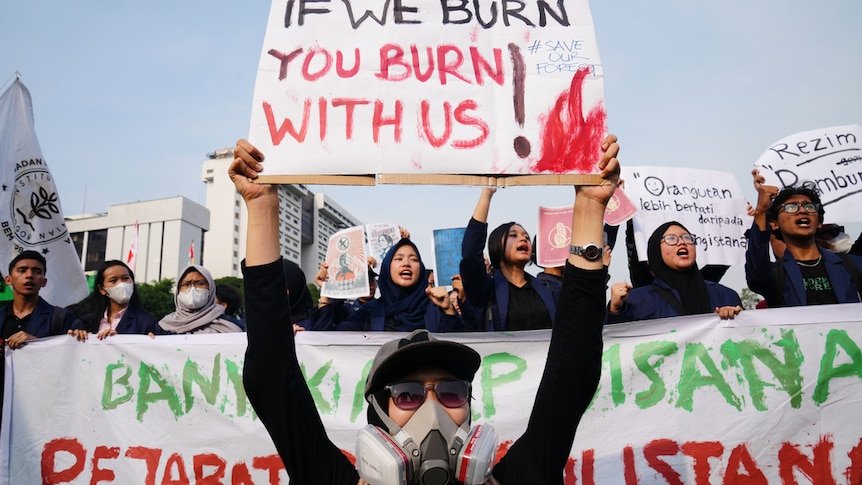
For environmental advocates, the current climate is increasingly hostile. Human Rights Watch has noted that the persecution of environmental defenders remains persistent, with the expansion of the military’s domestic role creating a “chilling effect” on dissent. As the avenues for public debate and regulatory reform narrow, experts fear that the damage being inflicted upon Indonesia’s forests, peatlands, and biodiversity will carry a cost far beyond the duration of the current administration’s tenure.
Disclaimer: This content is auto-generated for informational purposes only.
Source: Read Original News