







The Strategic Shift in Indian Motor Insurance
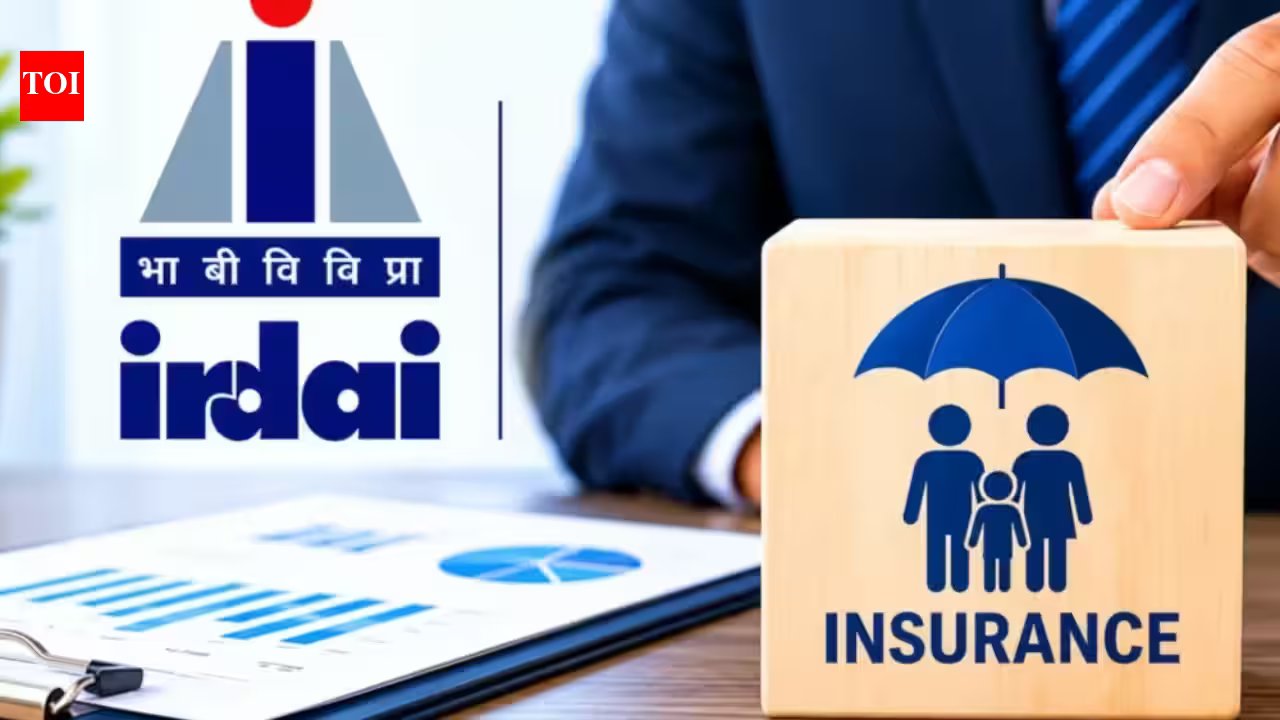
The Insurance Regulatory and Development Authority of India (IRDAI) has initiated a structural transformation of the domestic motor insurance industry. By mandating a four-layer insurance framework effective December 15, 2026, the regulator is moving to bridge the transparency gap that has long characterized the sector. This initiative, rooted in a directive from the Supreme Court following the National Insurance Company vs. Thungala Dhana Laxmi case, represents a departure from the “bundled product” approach that often left policyholders confused about the extent of their protection.
In the Indian market, motor insurance is frequently treated as a checkbox requirement for regulatory compliance rather than a risk management tool. Historically, consumers have purchased comprehensive policies without a granular understanding of the cost-benefit analysis of individual components. The new mandate compels insurers to disaggregate these layers, ensuring that third-party liability, personal accident coverage, occupant liability, and own-damage protection are presented as distinct entities. This separation is not merely a change in administrative workflow; it is an attempt to professionalize the insurance buying process and protect both the insurer and the policyholder from future disputes.
Deciphering the Four-Layer Framework
To understand the impact of this change, one must categorize the components of the new framework. The first layer consists of mandatory third-party liability, which remains a statutory requirement under the Motor Vehicles Act. The second layer involves the personal accident cover for the owner-driver, which continues to be mandatory to ensure basic financial protection for the policyholder.
The third and fourth layers represent the shift toward customization. Legal liability for occupants—including pillion riders and employees—and additional personal accident coverage for passengers are now categorized as optional. Similarly, own-damage cover, which protects the vehicle against theft, fire, or accident, is clearly defined as an elective choice. By isolating these, the IRDAI ensures that the policyholder pays only for what they explicitly select. This granularity prevents the “hidden costs” that often inflate premiums in traditional packages. Furthermore, by requiring a signed customer option form, the regulator creates a clear audit trail that reduces the probability of litigation arising from misunderstood policy scope during claim settlement.
Operational Implications for General Insurers
For insurance companies operating in India, the implementation phase will require significant technological and procedural restructuring. The mandate dictates that insurers must integrate these changes with the Bima Sugam platform by the end of 2026. This digital integration is critical because it forces a standard protocol across the industry, preventing companies from using proprietary, opaque terminologies that often obscure the real cost of risk.
Beyond the technology, insurers must overhaul their point-of-sale processes. The requirement to issue a Customer Information Sheet (CIS) acts as a standardized disclosure document, similar to the key features documents seen in banking products. This forces agents and online platforms to communicate the “what is not covered” aspect of the policy as clearly as the benefits. While this imposes a burden of compliance on insurers, it also offers a competitive advantage to those who can simplify the complexity of these layers for the end-user. As pricing for own-damage remains market-linked, companies that demonstrate superior risk-based pricing models will likely see higher customer retention in this new, transparent landscape.
Enhancing Transparency and Consumer Protection
The Indian insurance market has traditionally suffered from low penetration and, perhaps more significantly, low trust. Many consumers feel that insurance policies are overly complex contracts designed to benefit the insurer in the event of a claim. The four-layer directive addresses this by making the policy document a reflection of the consumer’s explicit choices.
By forcing a breakdown of premiums for each of the four layers, the regulator is introducing a “component-pricing” model to retail motor insurance. A policyholder will now see exactly how much they are paying for passenger liability compared to vehicle own-damage. This allows for a more rational financial decision-making process. For example, a car owner who rarely carries passengers might choose to forego occupant liability, while a daily commuter might prioritize it. Previously, these choices were buried in a bundled price, leaving the consumer unable to quantify the value of the specific coverages included. The move toward documented consent—where the customer signs off on which optional covers they have rejected—also shifts the onus of decision-making to the consumer, which is a significant change in the liability landscape for insurance intermediaries.
Adapting to the New Regulatory Environment
As the December 2026 deadline approaches, the industry must prepare for a dual challenge: administrative migration and consumer education. The ability to add legal liability for occupants via endorsement without cancelling the original policy is a customer-centric feature that provides flexibility. However, it also requires insurers to maintain agile back-end systems capable of processing mid-term policy changes without disrupting the core third-party cover.
Furthermore, the standardisation of policy wordings as proposed by the General Insurance Council is a vital step toward uniformity. Currently, the heterogeneity of terms and conditions across various insurers makes it difficult for consumers to compare products on a “like-for-like” basis. With standardized wording, the market will move toward a clearer competitive environment where companies differentiate themselves through service quality, claims settlement ratios, and innovative, market-driven own-damage pricing rather than through convoluted product structures.
Market Outlook and Future Trajectory
The long-term success of this four-layer model depends on how effectively the Indian insurance industry educates the populace. With motor insurance being the entry point for most Indian consumers into the insurance ecosystem, the clarity provided by this structure could serve as a catalyst for deeper insurance literacy. If consumers realize they can customize their policies, they may become more comfortable with the concept of risk assessment, potentially leading to higher uptake in other segments like life and health insurance.
Ultimately, the IRDAI’s intervention is a move toward a more mature market. By prioritizing consumer disclosure and procedural transparency, the regulator is aiming to create a sustainable insurance environment where the cost of coverage is proportional to the actual risk exposure. As the sector moves closer to the 2026 deadline, stakeholders must view these changes not as a regulatory hurdle, but as an opportunity to build more durable, value-based relationships with policyholders. The transition to this granular, transparent, and structured system is a pivotal development in the modernization of India’s general insurance sector.
Disclaimer: This content is auto-generated for informational purposes only.
Source: Read Original News