







As global manufacturing dynamics shift toward regional hubs, Mexico has emerged as a primary engine for North American production. However, for the country’s Tier-1 suppliers, the focus is rapidly pivoting from mere output volume to a rigorous, data-driven standard of reliability. As OEMs prepare for the 2026 production cycles, they are tightening vendor scorecards, mandating a level of logistical precision that makes historical performance benchmarks look lenient.
The New Era of Algorithmic Accountability
The modern manufacturing landscape has moved beyond traditional “on-time” delivery targets. Today, OEMs are enforcing a “contractual absolute” known as On-Time In-Full (OTIF), where even a punctual shipment is deemed a failure if it arrives incomplete. In the automotive world, specifically with the rise of Just-In-Sequence (JIS) manufacturing, suppliers are now expected to sync their deliveries with assembly lines down to the minute.
This transition is not just about human logistics; it is an analytical challenge. Tier-1 suppliers are increasingly leveraging Google Cloud’s data analytics and AI-driven supply chain management tools to manage these complex flows. By integrating real-time telematics and digital ledger systems, suppliers can now provide OEMs with the “data transparency” required for high-stakes contracts. This technological integration allows manufacturers to move away from reactive shipping and toward predictive logistics, ensuring that components—from complex ADAS sensors to high-voltage battery modules—hit the docks exactly as the vehicle assembly schedule demands.
Bridging the Digital Gap in Aerospace and Automotive
While automotive manufacturers are refining their software-defined vehicle architectures, the aerospace sector in Mexico is facing a unique set of structural hurdles. With over 375 aerospace companies now operating in the region, the growth has been rapid, but it has exposed a “Tier-3 bottleneck.” Because many specialized raw materials are still imported from Asia or Europe, Tier-1 suppliers are forced to hold larger, capital-intensive inventory buffers to shield their “Perfect Order” metrics.
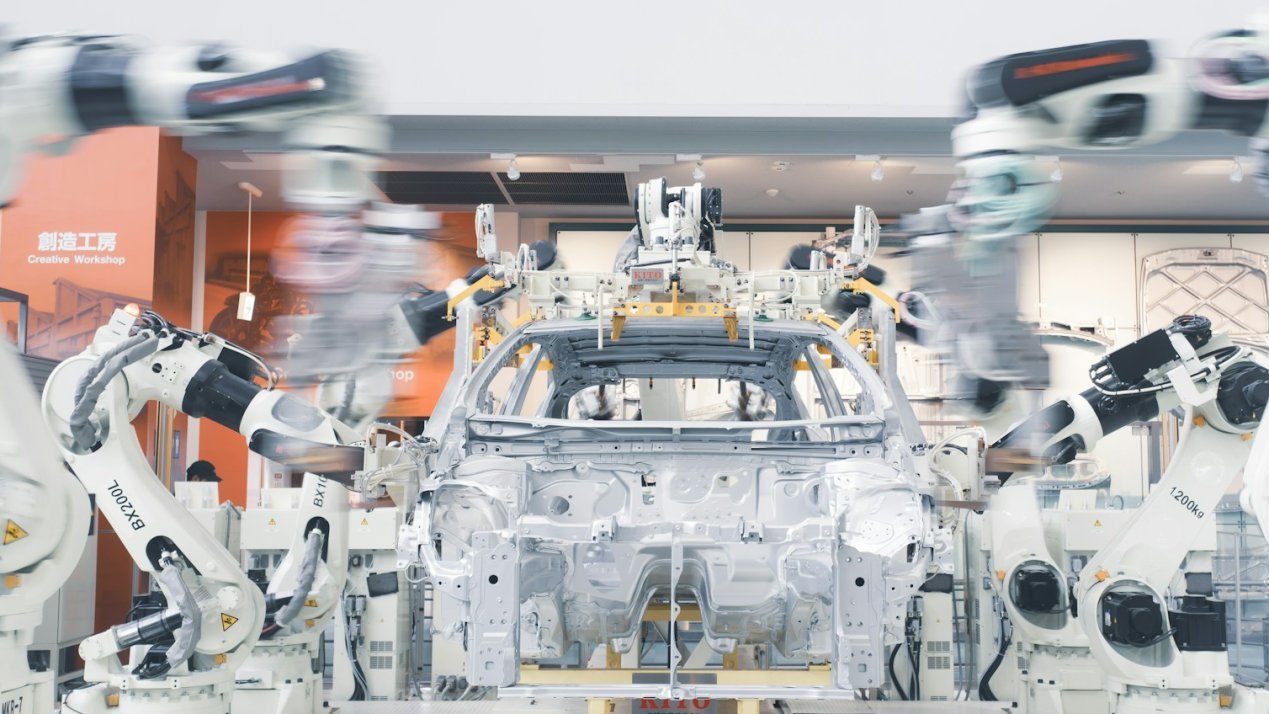
To solve this, companies are turning to Industry 4.0 innovations. Predictive maintenance powered by machine learning models is becoming the industry standard. By utilizing sensor data to monitor equipment health, factories can prevent unplanned downtime—a major root cause of OTIF failures. Companies are utilizing advanced digital twins to simulate production workflows, identifying potential bottlenecks in the assembly line before they ever reach the physical floor. This proactive approach to “Right First Time” (RFT) manufacturing is the new cost of entry for any vendor hoping to remain competitive in the coming years.
Securing Future Contracts in a Tech-Driven Market
Looking toward 2026 and beyond, the criteria for “preferred supplier” status are set to evolve further. Future scorecards will likely integrate sustainability metrics, such as circular economy compliance and battery recycling logistics. In this context, the physical location of a plant in Mexico is only half the battle; the ability to prove performance via digital documentation and AI-enhanced transparency will be the decisive factor.
The transition toward electric and software-defined vehicles requires a supply chain that is as agile as the software inside the cars. Suppliers who fail to modernize their operational infrastructure—falling below the 90% OTD threshold—risk more than just short-term financial penalties; they risk being phased out of the long-term, high-margin contracts that define the next generation of industrial growth. For those willing to invest in the digital transformation of their production plumbing, the future in Mexico remains bright, provided they can prove their reliability in an era where perfection is the only acceptable baseline.
Disclaimer: This content is auto-generated for informational purposes only.
Source: Read Original News