







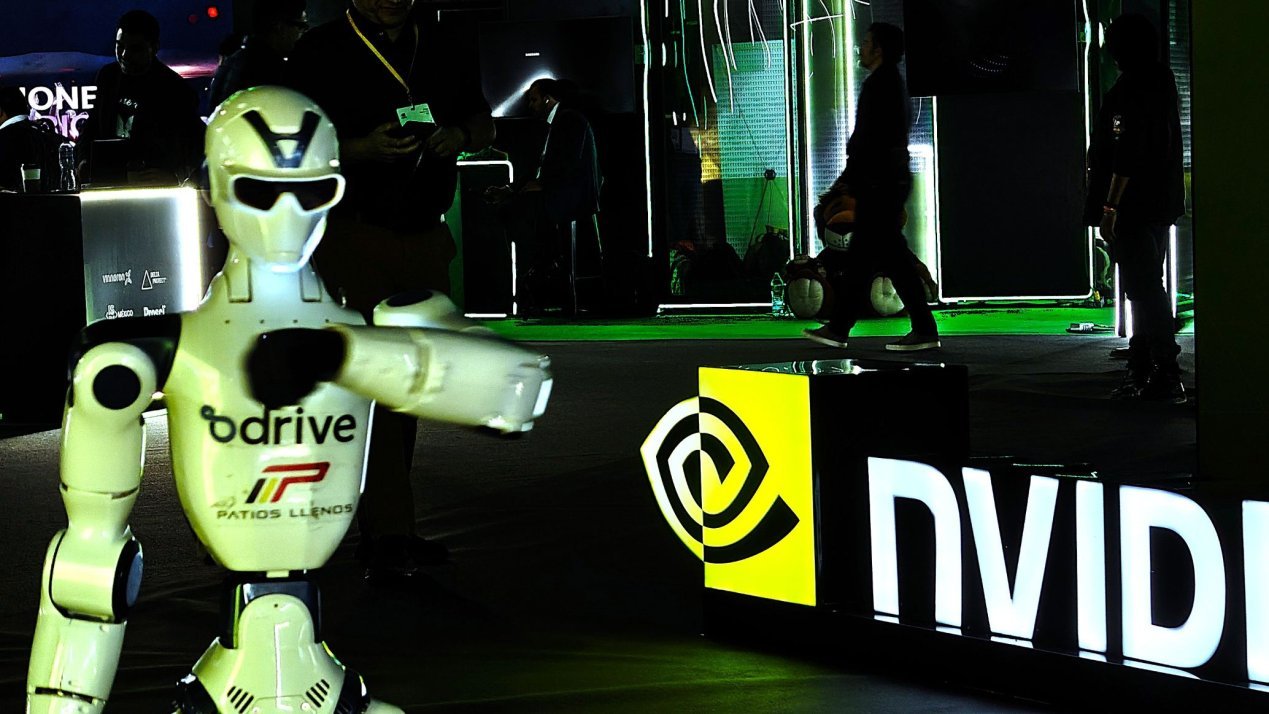
Mexico is aggressively positioning itself to transition from an AI consumer to a foundational hub for Latin American computational power. During the recent México IA+ 2026 conference held at Expo Santa Fe, industry leaders and government officials outlined a strategic roadmap focused on building the sovereign infrastructure necessary to sustain advanced high-performance computing (HPC) workloads. The event, which featured the debut of NVIDIA AI Day, underscored that the future of the nation’s digital economy depends less on algorithms and more on the physical capacity of its data centers.
## Engineering for High-Density AI
A central theme of the summit was the radical shift in data center architecture. As enterprise AI clusters move past experimental pilots, power requirements are skyrocketing. While traditional enterprise environments operate between 5kW and 10kW per rack, the new standard for accelerated computing ranges from 40kW to 100kW. Experts from organizations including the Mexican Data Center Association (MEXDC), Vertiv, and NVIDIA noted that conventional air cooling is no longer sufficient to handle these thermal loads.
To meet these demands, the industry is pushing for a rapid migration toward direct-to-chip liquid cooling and modular power distribution. As facilities in regions like Queretaro look to scale, developers are facing the challenge of balancing high-density compute requirements with local energy constraints. The consensus among the experts is clear: the integration of reliable grid connections and sustainable on-site power generation is the primary prerequisite for sustaining long-term regional growth.
## The Push for Sovereign Compute
Moving beyond basic adoption, the conversation has shifted toward “sovereign AI”—the strategic imperative for nations to maintain domestic infrastructure to house local data and train proprietary algorithms. By establishing local compute hubs, Mexican enterprises can better protect intellectual property, ensure regulatory compliance, and tailor AI models to the specific needs of native industrial sectors.
This transition is not merely about prestige; it is a financial necessity. According to representatives at the conference, companies are now looking to move beyond pilot programs toward production-grade workloads that offer transparent, measurable returns on capital investment. To remain competitive in the Latin American market, the focus must shift toward expanding neocloud environments and creating a predictable regulatory framework that encourages large-scale capital allocation.
## Developing a Specialized Workforce
Infrastructure expansion, however, is destined to fail without a parallel investment in human capital. Calista Redmond of NVIDIA emphasized that operating high-density “AI factories” requires a workforce skilled in complex fields such as thermal dynamics, mechanical engineering, and high-performance system architecture.
Currently, a significant talent gap threatens to act as an operational bottleneck. To bridge this, the summit participants called for a more robust connection between university curricula and the immediate requirements of the tech industry. As Mexico eyes its future as a regional leader, the strategy involves a holistic collaboration between hardware suppliers, government officials, and educational institutions. By streamlining permitting processes and standardizing energy efficiency benchmarks, the country aims to solidify its position as the premier destination for AI development in the region.
Ultimately, México IA+ 2026 served as a reality check for the industry: the “AI era” in Mexico will be defined by the concrete actions taken today to build the power, cooling, and professional expertise required for tomorrow’s computational demands.
Disclaimer: This content is auto-generated for informational purposes only.
Source: Read Original News