








Beyond Bans: Experts Call for Sector-Specific Strategies to Combat Delhi’s Air Crisis
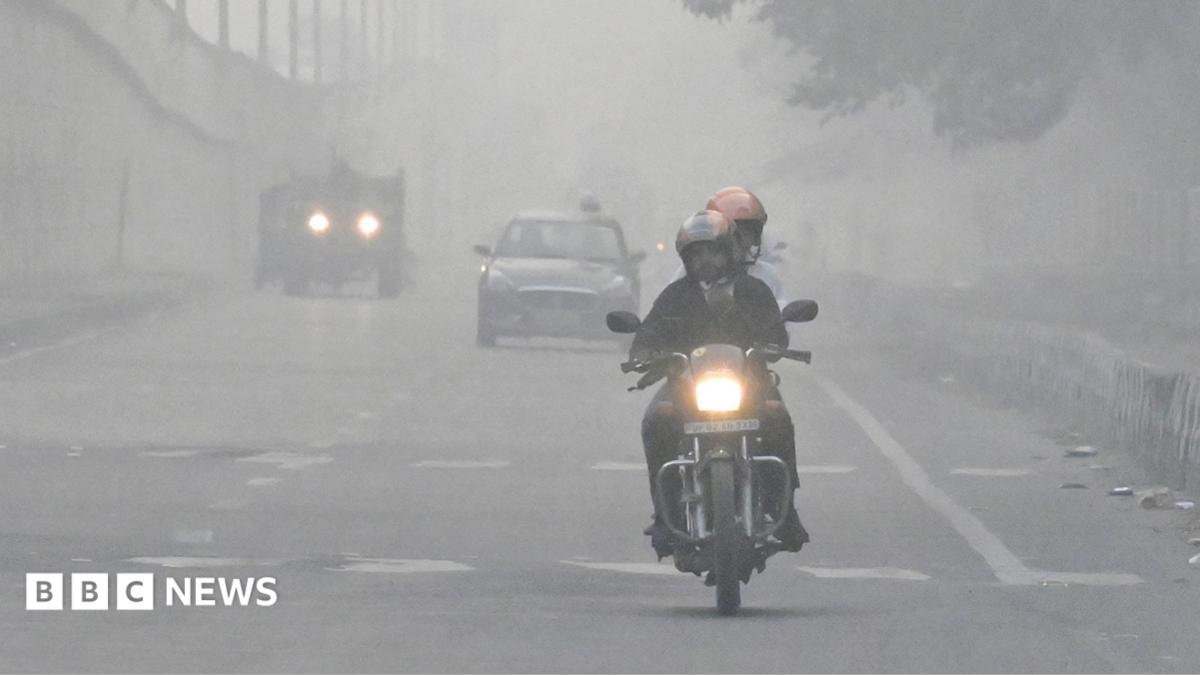
As Delhi grapples with yet another season of toxic smog, environmental experts are sounding the alarm: reactive measures like vehicle restrictions and construction bans are no longer enough. Instead, there is an urgent push for a comprehensive, long-term framework that targets specific industrial emissions across the entire northern region of India.
Moving Beyond Patchwork Solutions
Current efforts to manage Delhi’s air quality often focus on high-visibility culprits like stubble burning or vehicular traffic. However, Manoj Kumar, an analyst at the Centre for Research on Energy and Clean Air, argues that this narrow approach misses the bigger picture.
“If we want to reduce pollution, we need to set targets for every sector—including power generation, industry, and transport,” Kumar says. He suggests that since data is available regarding the contribution of every state and sector to the national air quality profile, the government should establish clear, five-year emission reduction milestones.
Experts also note that the complexity of the crisis is often underestimated. Pollution is not merely a product of primary emissions from tailpipes or fires; it involves “secondary pollutants.” These are chemical compounds formed when various gases react with sunlight and water vapor, creating harmful particles that remain suspended in the atmosphere. According to experts, factors like urban waste burning, fly ash from coal plants, brick kiln operations, and dust kicked up from unpaved surfaces receive far less policy attention than they deserve.
A Regional Challenge Requires Regional Action
A critical hurdle in cleaning Delhi’s air is the city’s geography. Pollution does not respect administrative boundaries; a significant portion of the smog plaguing the capital originates in neighboring states.
“Measures taken by Delhi can only achieve so much,” analysts point out. Because wind patterns carry pollutants from across the northern plains into the city, an isolated strategy is destined to underperform. True improvement will only come when neighboring states coordinate their environmental policies, creating a unified northern front against air toxicity.
The Human Cost of Toxic Air
While policy debates continue, the public health impact is immediate and devastating. During the winter months, air quality in Delhi frequently hits the “very poor” category, with Air Quality Index (AQI) levels often exceeding 300. On particularly severe days, domestic monitoring stations max out at 500—the top of India’s scale. International trackers have documented readings as high as 1,000, underscoring the severity of the crisis.
The reality is stark when compared to international health standards. The World Health Organization (WHO) advises that PM2.5 levels should not surpass 15 micrograms per cubic meter over a 24-hour period. In Delhi, residents are often exposed to levels 25 times higher than this threshold.
Dr. Manoj Goel, who leads the pulmonology unit at Fortis Memorial Research Institute, explains that the danger lies in the microscopic nature of these particles. “They can penetrate deep into the lungs and enter the bloodstream, triggering inflammation and affecting multiple organs,” he warns. Even short-term exposure is linked to wheezing, coughing, and worsened cardiac conditions.
The cumulative toll is even more alarming. A 2025 study from the Energy Policy Institute at the University of Chicago suggests that persistent high pollution levels could shorten the average lifespan of a Delhi resident by up to 8.2 years. For a city gasping for air, the data serves as a grim reminder that without systemic industrial reform and interstate cooperation, the cost of inaction will continue to be paid in human lives.
Disclaimer: This content is auto-generated for informational purposes only.
Source: Read Original News