








J&K Administration Moves to Overhaul Prison Security: Dedicated Intelligence Units and Biometrics on the Anvil
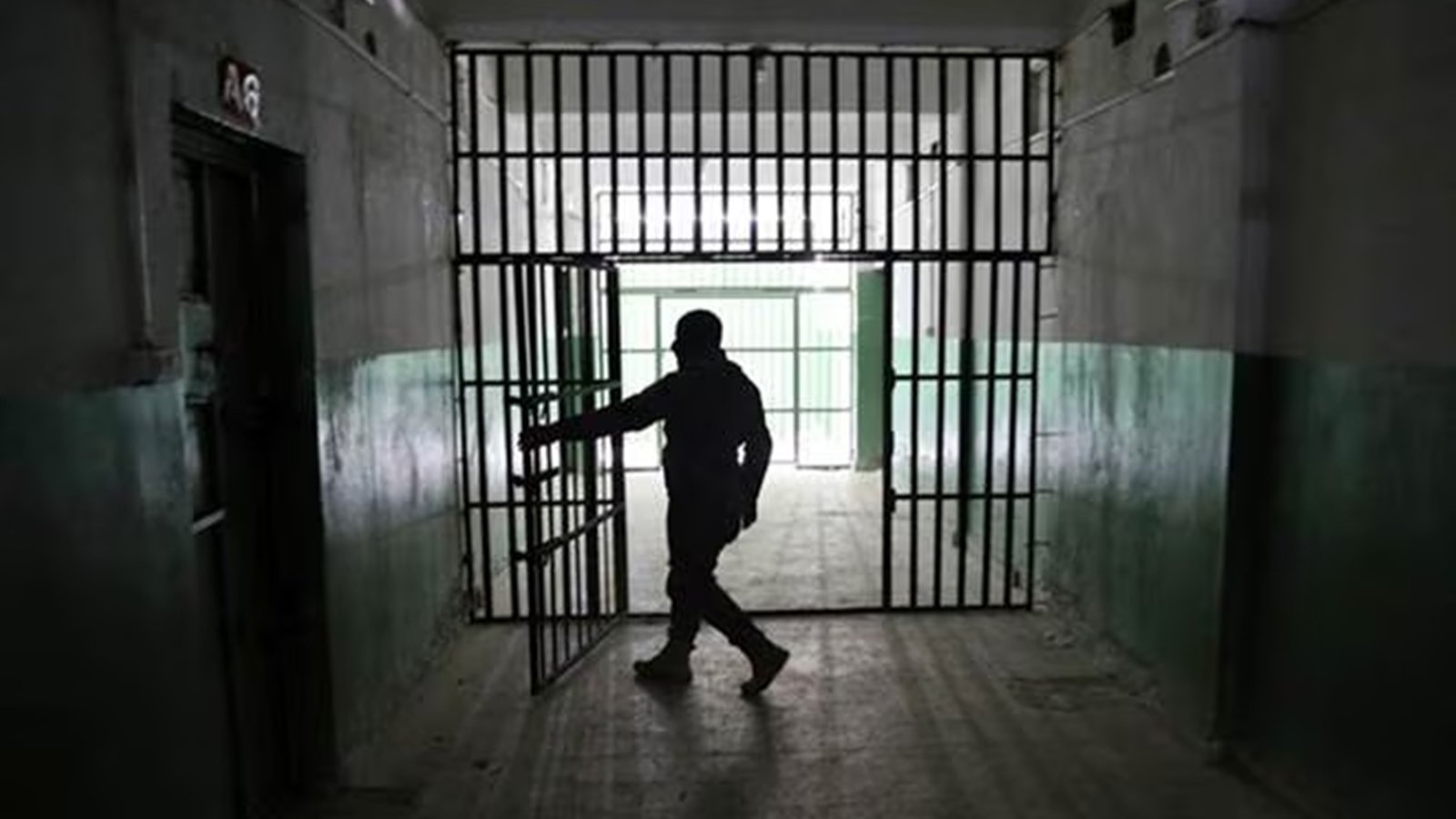
In a significant push to fortify the security apparatus within the Union Territory, top-level officials from the police, intelligence agencies, and civil administration met in Srinagar on Thursday to finalize plans for a comprehensive jail modernization program. Chaired by Lieutenant Governor Manoj Sinha at Lok Bhavan, the high-level meeting focused on establishing dedicated Prison Intelligence Units (PIUs) and implementing state-of-the-art biometric verification systems across all correctional facilities in Jammu and Kashmir.
Combating ‘Prison-Based’ Terror Networks
The move comes in response to growing concerns regarding the ability of hardened criminals and incarcerated terrorists to orchestrate illicit activities from behind bars. Despite being in custody, several high-risk inmates have been linked to terror financing, radicalization campaigns, and the management of logistics for militant groups.
During the meeting, L-G Manoj Sinha underscored the necessity of a unified coordination mechanism. He directed the prisons department, local police, and intelligence agencies to move away from working in silos and instead adopt a synchronized approach to monitoring threats. The L-G’s directive includes the institutionalization of regular intelligence-sharing sessions to stay ahead of evolving threats within the jail population.
Strengthening Oversight and Surveillance
Beyond the formation of PIUs, the administration has authorized stringent physical oversight measures. Officials have been tasked with conducting unannounced inspections of prison premises and surrounding areas. Furthermore, any electronic hardware seized during these raids will undergo rigorous forensic analysis to map out communication channels.
The initiative also aims to expand tele-medicine facilities for inmates, ensuring that health care needs are managed securely without the logistical vulnerabilities associated with frequent hospital visits for prisoners. These upgrades are intended to align Jammu and Kashmir’s prisons with national standards adopted by states like Maharashtra, Tamil Nadu, and Delhi, which have successfully integrated AI-monitored surveillance and RFID-based tracking to maintain real-time security logs.
A History of Internal Security Breaches
The necessity for this structural overhaul is highlighted by a series of recent security lapses. Investigations conducted by the Counter Intelligence Kashmir (CIK) wing have frequently exposed the use of smuggled mobile phones and encrypted social media applications by jailed militants to remain in contact with handlers across the border.
In the past month alone, security forces dismantled a terror-funding network in Shopian that was allegedly operating under the direction of militants lodged in various prisons. Similarly, a radicalization module in Bandipora was traced back to instructions issued by imprisoned separatist leaders. Last year, agencies also uncovered a sophisticated “white-collar” terror network where jailed suspects used illicit digital tools to coordinate logistics and fund movements across Jammu and Kashmir, Uttar Pradesh, and Haryana.
By introducing biometric verification and dedicated intelligence cells, the administration aims to eliminate the “command and control” centers that have historically thrived within the jail environment. With the Central Industrial Security Force (CISF) already handling the inner security rings of key facilities, the addition of digital and human intelligence capabilities is expected to create an impenetrable barrier against the subversion of the prison system by anti-national elements.
Disclaimer: This content is auto-generated for informational purposes only.
Source: Read Original News