







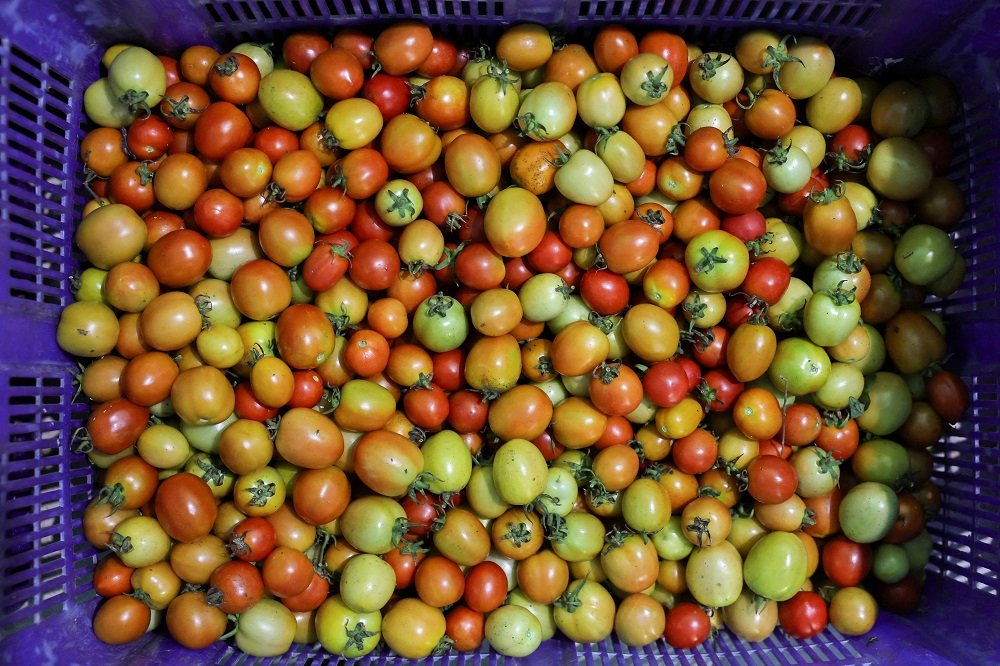
RABAT — Morocco has solidified its position as a global agricultural powerhouse, officially overtaking traditional rivals to become the second-largest exporter of tomatoes to the European Union. This milestone marks a significant shift in Mediterranean trade dynamics, highlighting the North African nation’s increasing dominance in European food supply chains.
Recent data released by the European Commission indicates that Moroccan tomato shipments to the bloc have surged by 15% over the last fiscal year, pushing the country’s market share to record heights. While Spain remains the EU’s primary supplier, Morocco has consistently narrowed the gap, leveraging advanced irrigation technologies, favorable climate conditions, and strategic trade agreements with Brussels.
The rise in exports has been driven by a combination of high-tech greenhouse expansion and a diversification of tomato varieties tailored to European consumer demands. Despite facing intermittent logistical challenges and stringent EU regulatory standards regarding pesticide usage and carbon footprints, Moroccan producers have invested heavily in sustainable farming practices to maintain their competitive edge.
“This is not just a statistical increase; it is a validation of the Moroccan agricultural model,” said Dr. Omar El-Fassi, an agricultural economist based in Casablanca. “By investing in desalinated water projects and precision agriculture, Morocco has managed to maintain consistent yields even during periods of severe drought that have plagued other parts of the Mediterranean, including southern Europe.”
The surging reliance on Moroccan produce, however, has not been without controversy. In several EU member states, including France and Spain, local farmers have staged protests, arguing that the influx of cheaper Moroccan imports creates an uneven playing field. Critics point to lower labor costs and less restrictive environmental regulations in North Africa as primary factors driving the price disparity. Domestic European growers have repeatedly called on the European Commission to impose stricter quotas or enhanced “safeguard clauses” to protect their livelihoods.
In response, Moroccan exporters maintain that their success is rooted in efficiency rather than unfair advantage. Trade officials in Rabat argue that their exports are vital for European food security, particularly during the winter months when European production slows down significantly due to colder temperatures. They emphasize that the partnership is mutually beneficial, providing European consumers with fresh, high-quality produce year-round while fueling Morocco’s economic growth and rural employment.
As the EU continues to navigate the complexities of its Green Deal—which seeks to promote more localized and sustainable food systems—the role of non-EU suppliers remains a point of intense negotiation. For now, however, Morocco’s tomatoes remain a staple on European supermarket shelves, underscoring the deep integration between the North African market and the EU’s economic zone. As trade relations evolve, the challenge for Morocco will be to balance this rapid expansion with the growing demands for climate-neutral agriculture.
Disclaimer: This content is auto-generated for informational purposes only.
Source: Read Original News