









The Arrival of Muse Voice: Bridging AI and Human Interaction
Meta has officially expanded the capabilities of its consumer-facing AI agent, Muse, by rolling out the Muse Voice feature to all users in the United States. Initially unveiled during the September Connect developer conference, this update marks a significant step in how individuals interact with artificial intelligence, moving beyond text-based prompts into the realm of fluid, real-time voice and video conversations. By integrating sophisticated avatar technology, Meta is positioning Muse not merely as a productivity tool, but as a conversational companion capable of dynamic, expressive dialogue.
The foundation of this feature lies in two proprietary technologies: Muse Realtime Avatar and Muse Realtime Voice. These systems work in tandem to generate a digital representation that responds to user input with lifelike synchronization. When a user initiates a call, the AI agent interprets the speech, processes the request through its language models, and produces a vocal response paired with synchronized facial movements. This technical synchronization is designed to reduce the friction often found in latency-heavy AI interfaces, providing a seamless flow of communication that feels natural.
Customization and the Role of Anthropomorphism
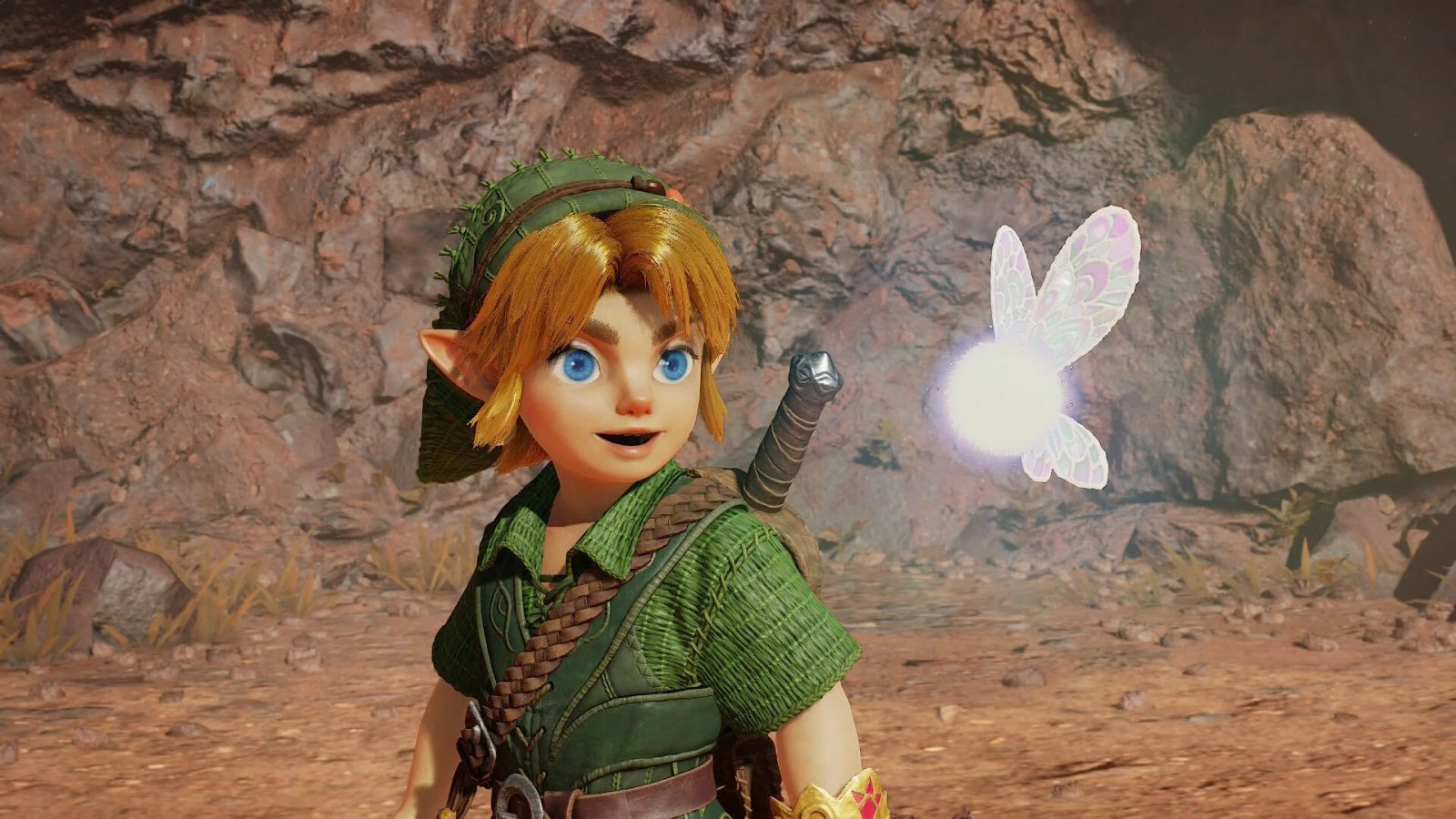
A standout element of the Muse platform is the ability for users to customize their visual interface. Unlike monolithic AI assistants that offer a single, static persona, Muse allows users to choose from a variety of character designs, ranging from humanoid figures to animals or fantastical avatars. This level of personalization extends to the default avatar, internally nicknamed Jolly, which users can modify to better suit their individual preferences.
Meta’s design philosophy here leans heavily into the concept of anthropomorphism. By providing the AI with a physical—albeit digital—form that reacts to the cadence and sentiment of a conversation, the company aims to foster a more intuitive user experience. The avatar employs subtle expressions and gestures that mirror the tone of the discussion, such as head tilts or shifts in focus, to maintain the illusion of active listening. While the system does not utilize the camera to “see” the user, it relies on advanced audio processing to interpret verbal cues and respond accordingly. This design choice highlights a broader industry trend where developers are prioritizing expressive interfaces to make complex machine learning models feel more approachable and less transactional.
Technical Infrastructure and Performance
The real-time capabilities of Muse Voice are supported by a robust backend infrastructure designed to manage the significant computational load of concurrent audio and visual rendering. Because the avatar must respond instantly, Meta has had to optimize its latency, ensuring that the delay between a user’s statement and the avatar’s reaction is imperceptible.
During demonstrations, the system has shown a high degree of adaptability, handling casual dialogue, humorous exchanges, and practical task management. For example, in a recent demonstration by Meta’s chief AI officer, the AI was able to contextually analyze a joke regarding social media activity and provide a constructive, personalized suggestion. This demonstrates that beneath the expressive, animated exterior lies a sophisticated reasoning engine capable of following nuanced, multi-turn conversations. The architecture is currently available across mobile platforms, web browsers, and macOS, with plans for a broader hardware deployment in the near future.
Integration with Future Wearable Hardware
The deployment of Muse Voice is strategically timed to precede the launch of a new wearable device, internally referred to as the Muse Charm. This device, described as having a Tamagotchi-inspired form factor, is intended to house the digital avatar on a compact, dedicated screen. By shifting the AI agent from a smartphone or computer to a wearable, Meta is attempting to integrate artificial intelligence into the user’s daily life as a constant, ambient presence.
When paired with this hardware, Muse Voice will serve as the primary interface for users to execute tasks, manage schedules, and interact with the digital world. The progression from software-based interaction to dedicated hardware underscores the company’s commitment to making Muse a pervasive digital assistant. Furthermore, Meta has confirmed that the real-time conversation functionality will eventually be extended to its AI Glasses, which will allow for hands-free, heads-up interactions. This trajectory suggests that the eventual goal is to move Muse from the screen into the physical environment through augmented reality interfaces.
The Impact on AI Engagement
The launch of Muse Voice represents a pivotal shift in how companies approach user engagement with artificial intelligence. By introducing visual components and voice-first interaction, Meta is challenging the standard text-input models that have dominated the AI landscape. The impact of this update is twofold: it provides a more accessible interface for non-technical users while simultaneously pushing the boundaries of what is possible with real-time generative models.
As more users in the U.S. begin to integrate Muse into their daily routines, the data gathered from these interactions will likely refine the system’s ability to recognize patterns and provide more accurate, helpful responses. While the use of an avatar may be a stylistic choice for some, the underlying technology enabling fluid, spontaneous conversation is a functional breakthrough. As Meta prepares for the release of its wearable hardware, the success of the current Muse Voice rollout will serve as a bellwether for whether consumers are prepared to move beyond traditional screen-based AI interaction and adopt a more conversational, agent-based digital experience.
Disclaimer: This content is auto-generated for informational purposes only.
Source: Read Original News