








Bangladesh Garment Crisis: Wage Protests Threaten Global Supply Chain
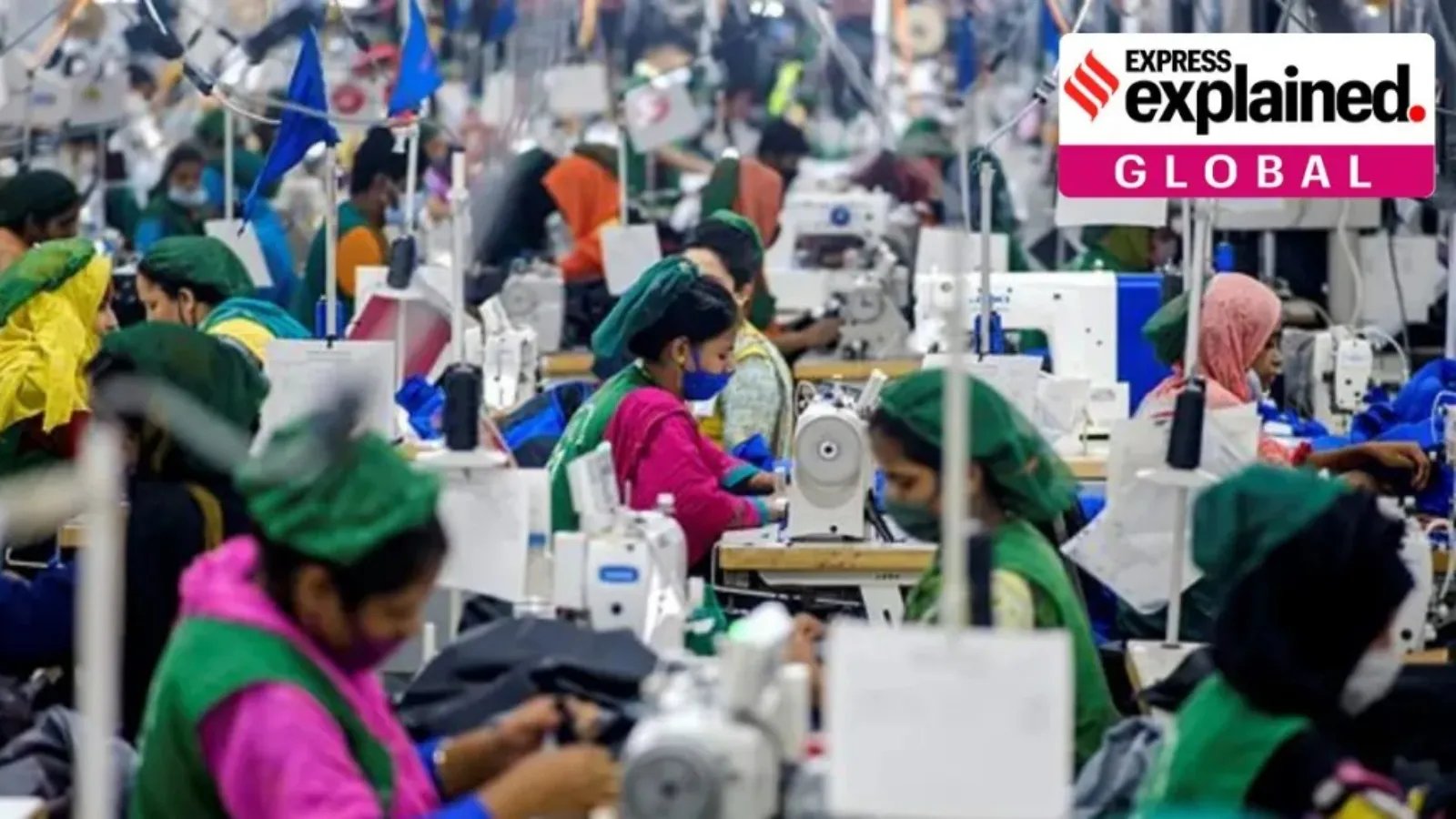
The industrial hubs of Gazipur and Ashulia in Bangladesh have effectively ground to a halt as thousands of garment workers take to the streets. The massive unrest, which has spilled over into the capital, Dhaka, stems from urgent demands for significantly higher wages. With nearly 700 factories suspending operations, the country’s readymade garments (RMG) sector—a powerhouse that contributed roughly $39 billion to the national economy last fiscal year—is facing its most critical test in recent memory.
A Legacy Built on Cheap Labor
The genesis of Bangladesh’s transformation into a global manufacturing hub dates back to the 1970s. Initially an agrarian economy tethered to the jute trade, the nation pivoted toward textile exports by leveraging its status as a Least Developed Country (LDC). Under the Multi-Fibre Arrangement, which restricted competitors like South Korea and Hong Kong, Bangladesh became a magnet for global capital.
By offering an unmatchable supply of low-cost labor, Bangladesh ascended to become the world’s second-largest apparel exporter, trailing only China. Today, the industry serves as the backbone of the nation’s economy, accounting for approximately 80% of total export revenue and employing over four million people.
The Breaking Point: Inflation vs. Wages
The current unrest is fueled by a sharp discrepancy between the skyrocketing cost of living and stagnant pay. Workers are demanding a monthly minimum wage of 30,000 taka (approximately $242), citing an urgent need to combat inflation, which reached 8.34% in September 2026. The current baseline of 12,500 taka, established in late 2023, has left households struggling to manage basic food and non-food expenses.
Industry experts note that while wage increases are necessary, they place immense pressure on factory owners operating on razor-thin margins. These manufacturers are trapped in a high-stakes inventory cycle where international buyers demand fast, time-sensitive deliveries—especially during the peak holiday shopping months of November and December. Compounding these challenges is an acute energy crisis; domestic natural gas production has plummeted, forcing factories to rely on expensive, rationed imports.
Economic Ripples and Potential Consequences
Any prolonged disruption in the garment sector threatens the stability of Bangladesh’s foreign exchange reserves and its currency. Because the country lacks a robust middle class, a decline in worker purchasing power inevitably leads to a contraction in domestic consumption, further stifling economic growth.
Economists argue that relying on artificially low wages as a competitive strategy is no longer sustainable. Instead, the sector must pivot toward higher productivity and value-added manufacturing. The government has signaled its intent to address these concerns by re-engaging the Minimum Wage Board to draft a revised pay structure starting this December.
Implications for India
As Bangladesh grapples with internal turmoil, India stands at a critical juncture. Currently the world’s sixth-largest apparel exporter, India holds a distinct advantage due to its integrated supply chain, which includes significant domestic production of cotton and yarn.
Furthermore, India’s recently signed Free Trade Agreements (FTAs) with the European Union and the United Kingdom provide a strategic edge, offering zero-duty market access for textiles. As Bangladesh eventually loses its LDC status—which currently grants it duty-free access to Western markets—its historical pricing advantage will likely erode. While Bangladesh attempts to navigate these labor strikes and systemic energy issues, regional competitors like India and Vietnam are positioning themselves to absorb potential shifts in global manufacturing, fundamentally altering the competitive landscape of the international garment trade.
Disclaimer: This content is auto-generated for informational purposes only.
Source: Read Original News