









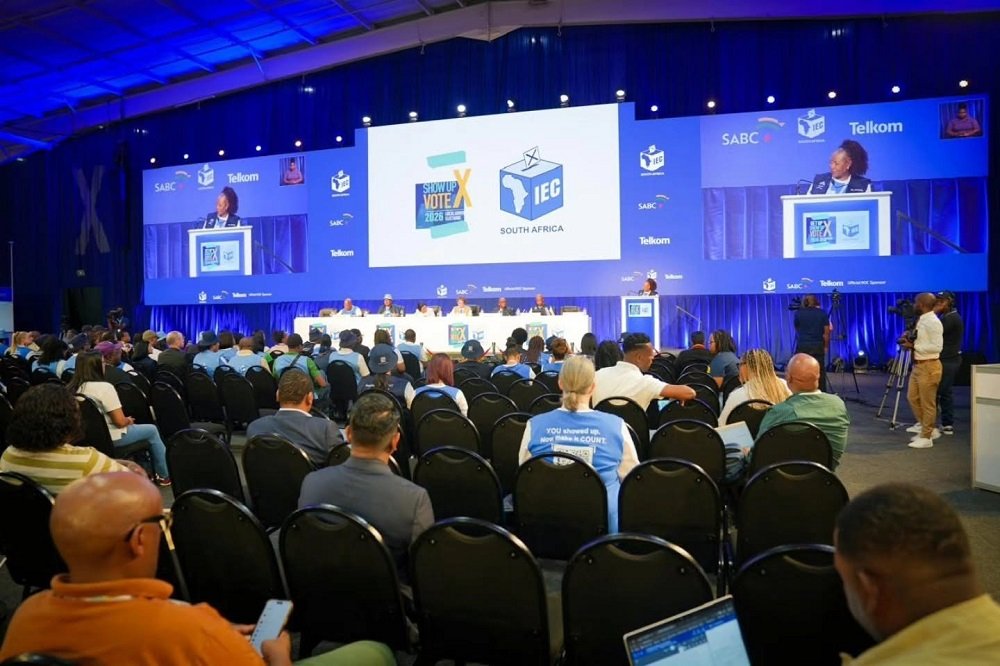
CAPE TOWN – The electoral landscape in the Western Cape has undergone a seismic shift as the Independent Electoral Commission (IEC) officially confirmed that a record-breaking 520 political parties have registered to contest the upcoming local government elections. This staggering figure represents an unprecedented surge in political activity, signaling a fiercely contested battle for control over the province’s municipalities.
Election analysts are describing the development as a watershed moment for South African democracy. The sheer volume of parties—ranging from established national entities to hyper-local, single-issue movements—indicates a significant fragmentation of the traditional political base. In previous cycles, the Western Cape has primarily been a battlefield between the Democratic Alliance (DA) and the African National Congress (ANC), but the influx of over 500 new and emerging parties suggests that voters are increasingly looking for alternatives outside the established binary.
“We are witnessing a democratic explosion,” said political scientist Dr. Nomsa Mkhize. “The Western Cape has become a microcosm of the national trend where voters feel disconnected from legacy parties. By registering in these numbers, these groups are not just participating; they are effectively turning every ward into a high-stakes arena where coalition building will no longer be an option, but a mathematical necessity.”
The logistical burden of the registration has been significant. IEC officials have worked around the clock to vet the credentials, candidate lists, and compliance documentation of the 520 entities. The ballot papers, which are already being prepared, are expected to be of historic length, posing a challenge for the commission in terms of printing, distribution, and voter education.
Small, community-based organizations dominate the list of new registrants. Many of these parties are campaigning on hyper-localized issues, such as service delivery bottlenecks, land distribution, and local safety concerns. While critics argue that such a proliferation of parties could dilute the vote and lead to unstable, “hung” municipalities, supporters view it as a deepening of grassroots democracy, ensuring that even the most localized grievances have a platform.
The impact on voter turnout remains to be seen. While some fear the “ballot fatigue” that may accompany such a crowded field, others believe that the diversity of choice will drive a record number of citizens to the polls.
As the campaign season kicks into high gear, the main political players have been forced to rethink their traditional strategies. With so many parties vying for the same electoral pie, every single vote is expected to carry immense weight. The Western Cape is now braced for what is arguably the most complex and unpredictable local election in the history of the province, with the final outcome potentially reshaping the political architecture of South Africa for years to come.
Disclaimer: This content is auto-generated for informational purposes only.
Source: Read Original News