








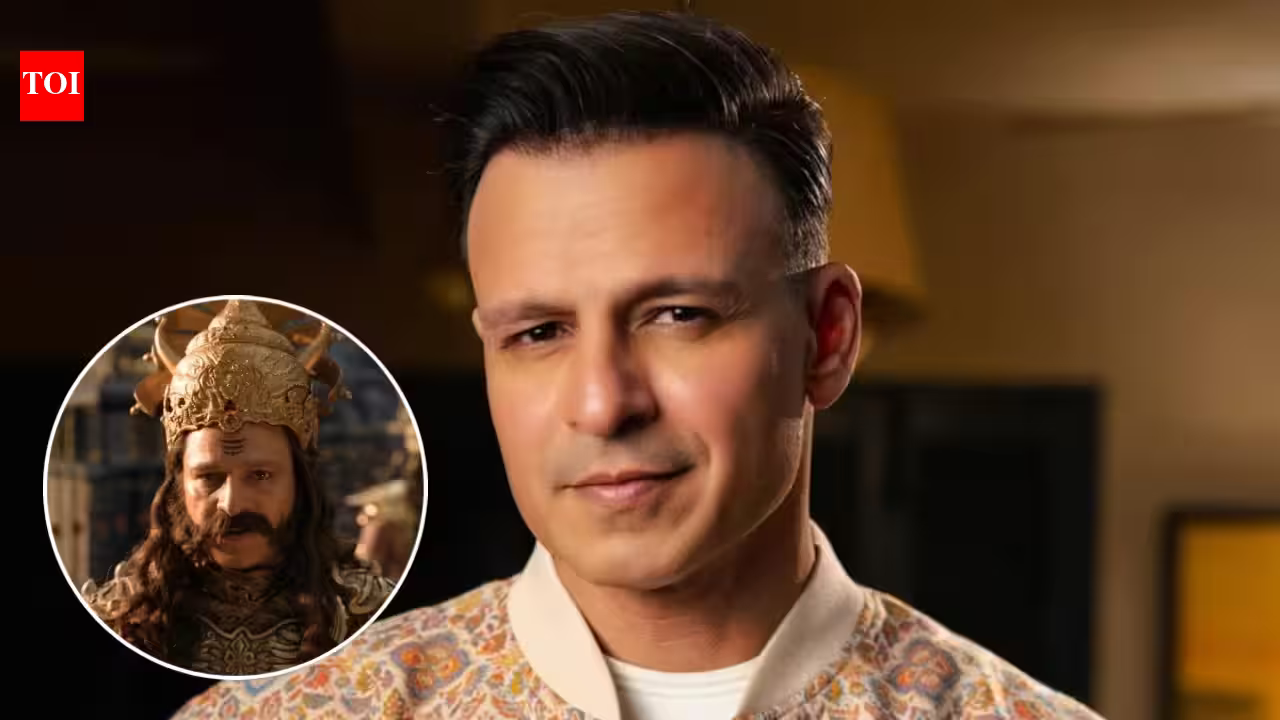
In the high-stakes arena of modern Indian cinema, where scale often clashes with substance, Nitesh Tiwari’s Ramayana: Rise of a Legend has emerged as something far greater than a mere box-office contender. As the industry and audiences alike process the cinematic achievement that hit theaters on November 5, 2026, the sentiment radiating from the cast suggests that this project wasn’t just a job—it was a spiritual mission. Standing at the forefront of this post-release euphoria is Vivek Oberoi, whose portrayal of the formidable Vidyutjihva has been met with both critical respect and deep personal reflection.
In a stirring social media post that has since rippled across digital platforms, Oberoi didn’t just review the film; he canonized it. Describing the project as a “MahaYagya for Bhartiya culture and values,” Oberoi’s words underscored the profound gravity with which the team approached this ancient epic.
A ‘MahaYagya’ for the Silver Screen
For many actors, a role is a contract; for Vivek Oberoi, his stint in Ramayana felt like a devotional act. “Ramayana is not just a film; it’s a MahaYagya for Bhartiya culture and values, and playing Vidyutjihva is my small Ahuti in this Mahayagya!” the actor wrote.
His choice of words is telling. By invoking the concept of a Yagya—a ritual of sacrifice and fire—Oberoi elevates the technical feat of filmmaking into something sacred. He went a step further, drawing a sharp distinction between the Western fascination with CGI-driven world-building, such as James Cameron’s Avatar, and the reality of the Ramayana. While Cameron’s universe is a triumph of pure, boundless imagination, Oberoi argues that the world of Ram belongs to the bedrock of India’s civilization, heritage, and truth. It is a distinction that speaks to the heart of the current Indian cinematic zeitgeist: the desire to see homegrown mythology treated with the same, if not greater, technical sophistication as international blockbusters.
Nitesh Tiwari: The Architect of Emotion
At the center of this monumental production sits Nitesh Tiwari, a director known for his ability to find the human heartbeat within larger-than-life narratives. Oberoi was effusive in his praise for the director, whose commitment to the project spanned years of meticulous crafting.
“The years of your life you have dedicated to Ramayana are visible in the magic of every frame,” Oberoi noted. In an era where post-production is often rushed to meet release windows, Tiwari’s patience appears to have paid off. Oberoi confessed that he stopped feeling like an actor participating in a shoot and instead felt like he had been transported back to the Ram Yug. This testament to Tiwari’s direction highlights his unique strength: he is, as Oberoi put it, a “master of emotions.” By grounding the grandiosity of the epic in genuine human feeling, Tiwari has seemingly managed to bridge the gap between ancient text and contemporary audience connection.
A Star-Studded Tapestry of Performances
The heavy lifting, of course, rested on the shoulders of the lead trio: Ranbir Kapoor, Yash, and Sai Pallavi. The public curiosity surrounding this casting was immense, and according to Oberoi, the results have silenced the skeptics.
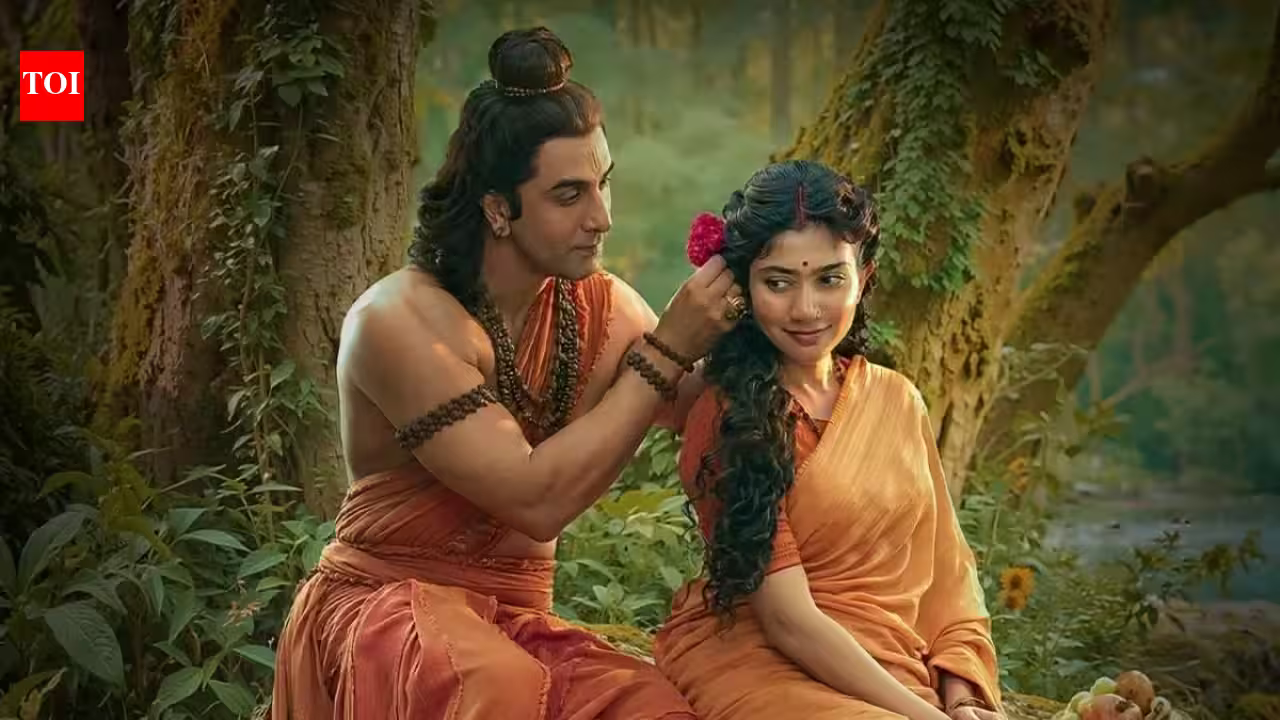
Regarding Ranbir Kapoor’s portrayal of Lord Ram, Oberoi’s assessment was glowing and deeply personal. He acknowledged the pre-release speculation about how Kapoor would inhabit such an iconic role, but concluded that the performance was transformative. “After watching you yesterday, I can simply say I saw my Ram ji on screen,” he shared.
The transformation of Yash, transitioning from the raw, earth-bound intensity of KGF’s Rocky to the sophisticated malice of Ravan, was another high point of the film for Oberoi. He singled out the visual mastery of the ten-headed Ravan sequence, calling it a personal favorite and a testament to Yash’s phenomenal growth as a performer. Meanwhile, Sai Pallavi’s turn as Sita was credited for bringing a much-needed sense of innocence, grace, and purity to the screen, grounding the film’s darker tensions.
The Collective Effort of a Cultural Milestone
While the leads often command the spotlight, Oberoi was quick to shine the torch on the wider ensemble and the invisible heroes behind the scenes. The contributions of actors like Ravi Dubey, Rakul Preet Singh, and Kajal Aggarwal were noted for adding essential layers to the narrative tapestry.
Furthermore, the film’s atmosphere—the sonic landscape that dictates how an audience feels during a scene—was credited to the legendary A.R. Rahman. Oberoi’s shout-out to the entire technical team serves as a reminder that a film of this magnitude is a collaborative triumph. It is not just the result of a director’s vision or a star’s charisma, but the cumulative effort of hundreds of technicians working toward a singular vision of cultural representation.
A New Benchmark for Indian Cinema?
As Ramayana: Rise of a Legend continues its theatrical run, the discourse surrounding it remains focused on whether it has successfully redefined the “epic” genre in India. Vivek Oberoi’s post is more than just a promotional courtesy; it is a reflection of a collective hope that Indian stories can reclaim their space on the global stage without compromising their cultural DNA.
By framing the film as a cultural contribution rather than just a commercial product, the cast is signaling a shift in how they view their roles in the industry. As the dust settles on the release, one thing remains clear: whether through the eyes of the audience or the participants themselves, Ramayana has left an indelible mark on the landscape of Indian cinema. It has set a standard that future mythological adaptations will be measured against, proving that when handled with reverence and technical prowess, these timeless stories remain the most potent currency in the entertainment world.
Disclaimer: This content is auto-generated for informational purposes only.
Source: Read Original News