







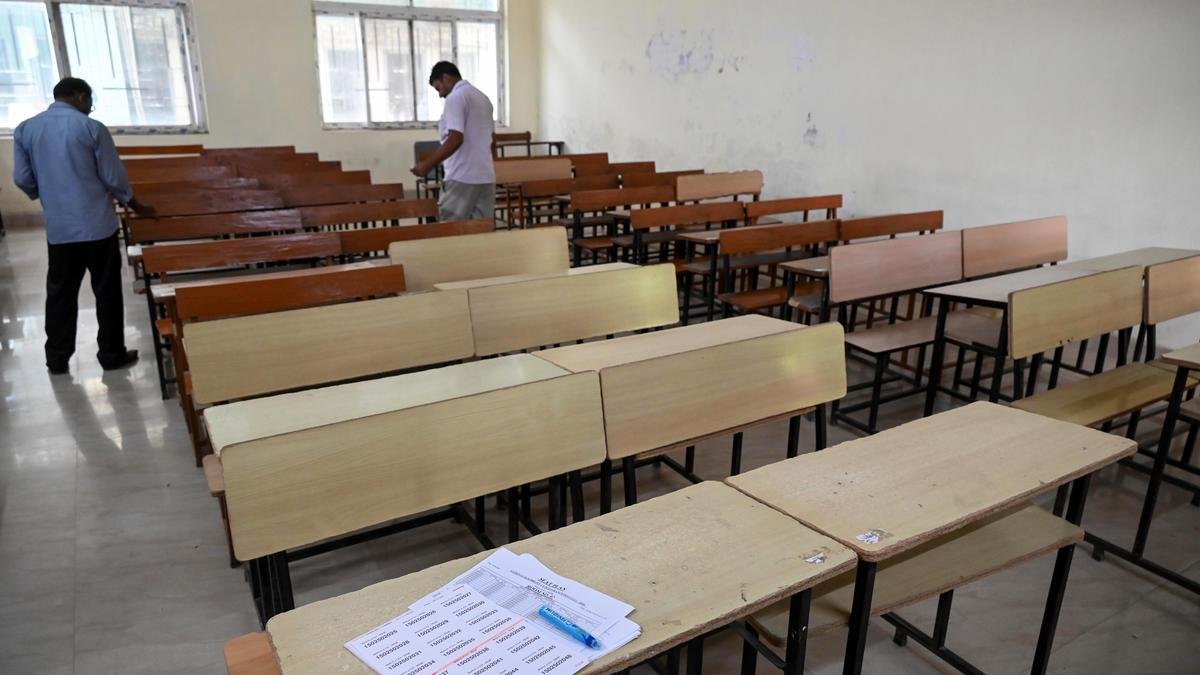
The Bihar government has introduced a series of stringent policy directives aimed at restructuring the administrative and behavioral landscape of its public education system. Following a week of significant announcements, the state’s education department has officially prohibited teachers, non-teaching staff, and students from filming or uploading social media reels within school premises without explicit prior authorization.
This move follows closely on the heels of an October 30 directive that enforced a mandatory formal dress code for all staff and students. These administrative updates come at a time when the state’s educational infrastructure is under intense scrutiny, with the government aiming to restore academic discipline and professional standards across its expansive network of institutions.
## The Scale of the Bihar Education System
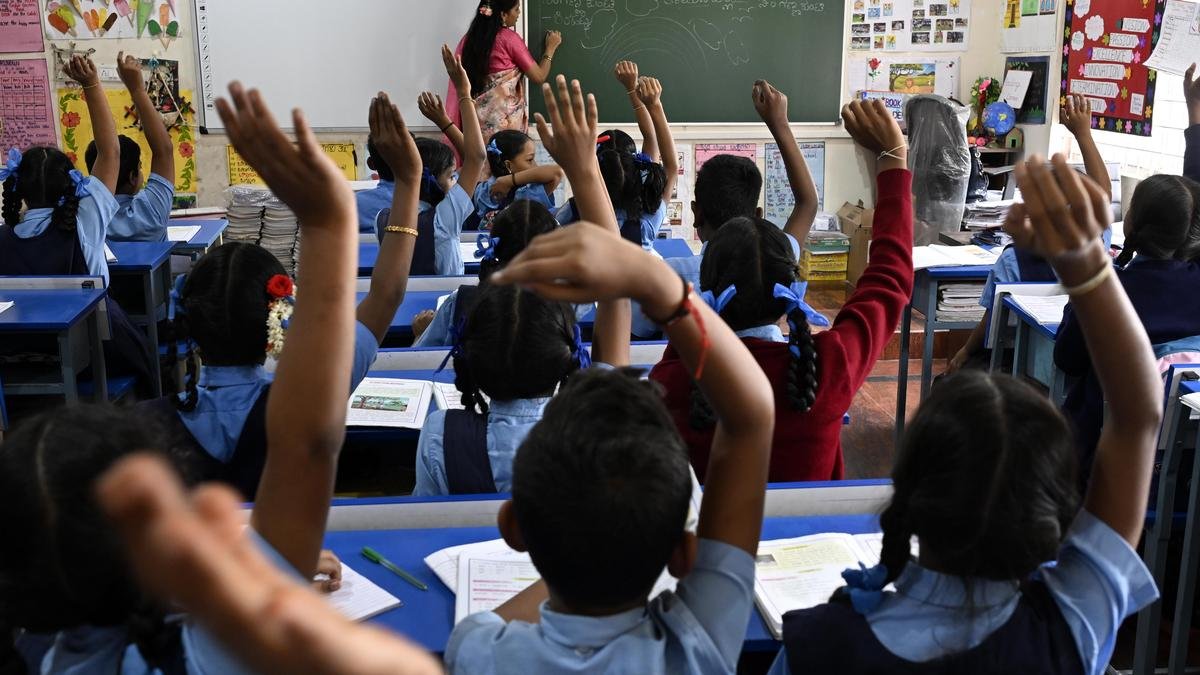
To understand the scope of these new policies, one must examine the magnitude of the system they govern. Bihar oversees a vast educational network comprising approximately 76,000 government-run schools. This figure includes 47,000 primary schools, 25,000 upper primary schools, and 5,000 higher secondary schools.
Supporting this massive infrastructure is a workforce of 6.6 lakh teachers. With such a high volume of personnel and students, the Department of Education has argued that standardized regulations are essential to maintain the sanctity of the classroom. The recent push for a formal dress code and the ban on social media content creation—often perceived by officials as a distraction from academic pursuits—are being framed as attempts to redirect the focus of both teachers and students back toward pedagogy and learning outcomes.
## Policy Shifts and Institutional Identity
The policy changes represent more than just administrative housekeeping; they reflect a broader effort to modernize and redefine the identity of state-run institutions. In a notable move aimed at branding, the BJP-led NDA government recently oversaw the painting of 551 government-model schools in saffron.
The state government has defended this aesthetic shift, asserting that these model schools are being overhauled to provide superior, modern facilities for students. By combining physical infrastructure upgrades—such as smart classrooms and better amenities—with stricter behavioral policies, the government hopes to elevate the academic environment. Officials maintain that the digital presence of staff and students on social platforms like Instagram or TikTok often undermines the professional decorum expected in educational settings, leading to the current restrictive mandates.
## Implications for Learning and Discipline
For students and teachers, these developments have ignited a debate regarding the balance between personal expression and institutional professionalism. In an era where digital literacy is a core component of the modern curriculum, the restriction on “reels” has sparked conversations about how schools should engage with digital culture.
However, for the state administration, the primary concern remains the quality of learning. Recent national media coverage regarding the condition of Bihar’s schools has acted as a catalyst for these reforms. By tightening regulations, the state hopes to minimize administrative embarrassment and ensure that the primary focus of the 6.6 lakh teachers remains on lesson delivery, student assessment, and the improvement of national-level examination metrics.
As these policies take effect, the efficacy of these “top-down” disciplinary measures will likely be judged by the state’s future performance in student learning assessments. Whether these reforms can bridge the gap between structural policy changes and actual classroom engagement remains the defining challenge for Bihar’s educational authorities in the coming academic year.
Disclaimer: This content is auto-generated for informational purposes only.
Source: Read Original News